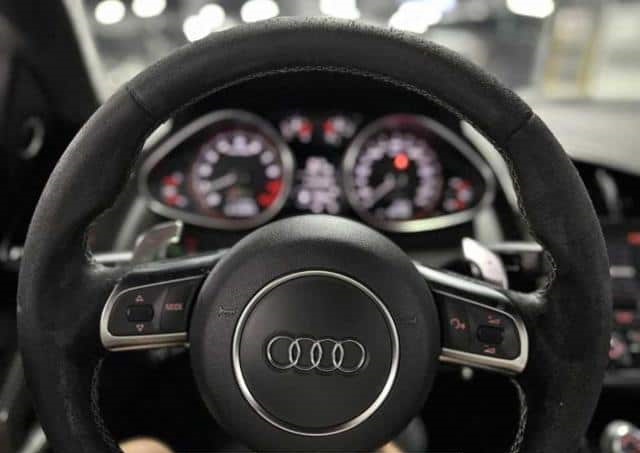
The AUDI R8 2013 is a high-performance sports car renowned for its sleek design and powerful engine. However, Uganda’s road conditions present unique challenges that warrant careful consideration. With a mix of well-maintained highways and poorly surfaced rural roads, the R8’s low ground clearance and rear-wheel drive can impede its performance and reliability in certain areas. Additionally, the vehicle’s maintenance requirements and fuel economy may be less favorable in a context where access to quality service and parts can be limited. Potential owners must weigh the thrill of driving a premium sports car against the realities of navigating diverse terrains, which often demand a more rugged vehicle. Ultimately, while the AUDI R8 dazzles in urban environments, its suitability for Uganda’s varied roads is a complex matter requiring thoughtful evaluation.
Introduction
The 2013 Audi R8 boasts a stunning design and impressive performance. However, in the context of Uganda’s diverse road conditions, one must consider its suitability. From urban potholes to rural paths, let’s evaluate whether the R8 can withstand the challenges of driving in Uganda.
Performance and Handling
The R8 features a powerful V8 or V10 engine. While this ensures quick acceleration and smooth handling on highways, Uganda’s rough roads can be a different story. The low ground clearance of the R8 may lead to issues with potholes, especially in off-market areas.
Drivetrain Considerations
The all-wheel-drive system is a plus, providing better traction on slippery or uneven surfaces. However, one must weigh this benefit against the car’s limited ability to tackle deeply rutted paths commonly found outside urban centers.
Comfort and Interior
The interior of the R8 is luxurious, crafted with high-quality materials. Seating is comfortable for both short and long drives. Still, the lack of rear space may not cater well to families or those needing to transport multiple passengers.
Technology and Features
Equipped with modern technology, the R8 offers navigational aids and infotainment options that can be beneficial in urban areas. However, rural connectivity may pose challenges, making it essential to have alternative navigation methods.
Maintenance and Availability of Parts
Maintenance can be a concern in Uganda. While Audi maintains a network in major cities, remote areas may lack the necessary service points. Parts can also be expensive and hard to find, adding to the overall ownership costs.
Fuel Efficiency
The R8 isn’t known for being fuel-efficient. With rising fuel prices in Uganda, the high consumption of petrol could deter potential buyers. It’s wise to consider how often you plan to use the vehicle versus its fuel costs.
Insurance and Resale Value
Insuring a luxury vehicle like the R8 can be costly. Additionally, its resale value may fluctuate, especially with the challenges of maintaining it in varying conditions. Understanding the insurance landscape is essential before purchasing.
Local Market and Alternatives
While the R8 is an iconic car, other vehicles better suited for Uganda’s road conditions might be worth considering. Options like SUVs or rugged sedans offer more practicality without sacrificing style.
Summary
While the 2013 Audi R8 is a remarkable vehicle, its performance is challenged by Uganda’s varying road conditions. Potential owners must carefully evaluate factors such as maintenance, fuel costs, and road suitability before making a decision.
FAQs
1. Is the Audi R8 reliable on rough roads?
While it has a strong build, the low clearance makes it less reliable on very rough terrains.
2. Can I find spare parts for the R8 in Uganda?
Parts may be challenging to source and can be expensive; urban areas have better access than rural regions.
3. How does the R8 fare in terms of fuel efficiency?
The R8 is not very fuel-efficient, which could be a concern given rising fuel prices in Uganda.
4. Is the R8 suitable for family use in Uganda?
Given its limited rear space, it may not be the best option for families needing to carry more than two passengers.
5. Are there better alternatives to the R8 for Ugandan roads?
Yes, SUVs or rugged sedans may provide better performance on Uganda’s varied road conditions while offering practicality.
The LAND ROVER DISCOVERY 3 2009, produced in 2009, embodies a robust design and advanced features that cater to off-road enthusiasts, making it a notable contender for Uganda’s diverse terrains....
The Land Rover Discovery 3 Manual Diesel 2008 is a robust vehicle well-suited for the varied terrains of Uganda, where off-road driving is often essential. Known for its advanced four-wheel...
The Land Rover Discovery 30-Diesel 2015 is a vehicle designed for both luxury and rugged terrain, making it a popular choice for adventurers in Uganda. With its powerful diesel engine,...
As an experienced car inspector in Uganda, I often encounter potential buyers eager to find a vehicle that meets their unique needs. Uganda’s diverse terrains—from bustling city streets to rugged...
Family owned dealership of new and pre-owned vehicles with several locations across the Uganda. Lowest prices and the best customer service guaranteed.
You're almost there, select at least one more to compare!
We use cookies to ensure that we give you the best experience on our website. If you continue to use this site we will assume that you are happy with it.
You can revoke your consent any time using the Revoke consent button.