

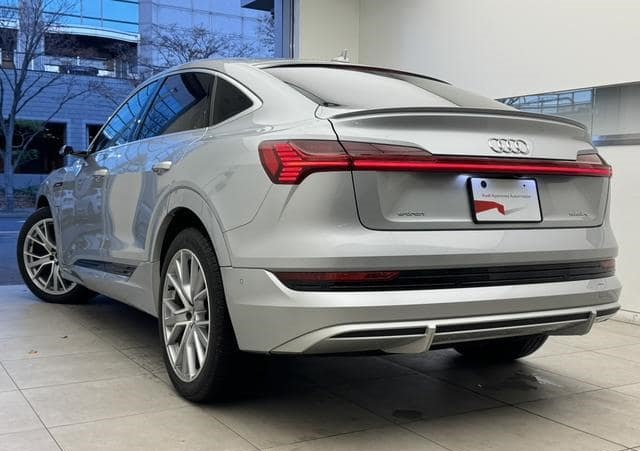
The 2020 AUDI e-tron is a substantial, well-built electric SUV that brings Audi’s fit-and-finish and safety systems into the EV era. Its strengths—solid construction, AWD traction from dual motors, and a sophisticated thermal management system—also come with consequences: the vehicle is heavy, and its service needs differ in important ways from internal-combustion cars. This guide gives practical, actionable steps and upgrade ideas to keep your e-tron reliable, safe, and performing well for years.
Tyres: the most important wear item
Because the e-tron is heavier than the average midsize SUV and outsources much of braking to regeneration, tyres see different stresses: more load per tyre, possible uneven wear, and a bigger influence on range.
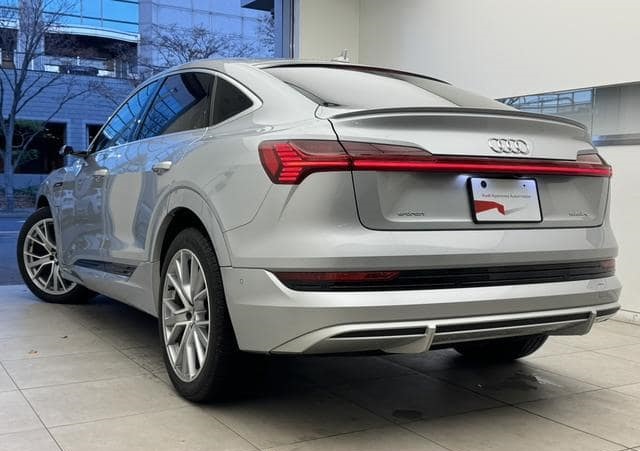
- Check the placard (driver door jamb) for recommended cold pressures and use those values. Expect pressures to be higher than many ICE cars—check monthly and before long trips.
- Choose tyres with the correct load index and a low rolling-resistance variant if you want to prioritize range. Look for EV-specific or “EV-capable” models from reputable brands (Michelin, Continental, Pirelli, etc.).
- Rotate tyres every 8,000–12,000 km (5,000–7,500 miles) or sooner if you see uneven wear—heavy, AWD EVs can develop edge wear or cupping faster than lighter cars.
- Maintain alignment and inspect for cupping or irregular wear. Misalignment on a heavy vehicle accelerates tyre replacement and reduces range.
- When replacing wheels, use wheels with the correct load rating and proper offset; do not fit lightweight wheels that do not meet load requirements.
Fluids and cooling systems
EVs eliminate engine oil and many transmission fluids, but they add or retain other critical fluids—battery/inverter coolant, brake fluid, and 12V systems—that must be maintained.
- Battery/inverter coolant: follow Audi’s schedule. Check levels visually when the system is warm/cold per the owner’s manual; top only with the manufacturer-specified coolant (Audi/VAG-approved type, often G13 or equivalent). Replace at the interval specified in the service book—typically several years—because coolant degradation impacts thermal management and battery life.
- Brake fluid: regenerative braking reduces pad wear, but braking hydraulics and ABS still rely on fresh fluid. Replace brake fluid per Audi’s recommended interval (commonly every 2 years) to prevent moisture buildup and corrosion in ABS components.
- 12V battery: the e-tron uses a conventional 12V battery for accessories and safety systems. This is a common failure point—test it annually and replace proactively every 3–5 years depending on health and climate.
- Reduction gear/drive unit fluids: some electric drive units have gearbox or final-drive oil. Consult the service manual and have qualified techs change these at recommended intervals.
Battery care: maximize lifespan and usable range
High-voltage battery health is the primary long-term concern for EV ownership. The e-tron has robust thermal management, but owner habits still matter.
- Avoid daily charging to 100% unless you need full range for a trip. For everyday use, set the maximum charge to about 80–90% (use the car’s charge scheduling features).
- Avoid letting the car sit at very low state-of-charge for long periods. If storing the vehicle, aim for around 40–60% and check periodically.
- Limit repeated high-power DC fast charging sessions. The e-tron supports high-power charging, but frequent sessions at maximum rates accelerate battery degradation. When possible, charge at moderate rates (e.g., 50–100 kW) and use AC charging overnight.
- Precondition the battery before high-speed charging or cold-weather driving—use scheduled departure or preconditioning while plugged in to warm the pack and improve charging acceptance.
- Keep software up to date. Audi and Electrify/chargers sometimes release battery management updates that improve efficiency and longevity.
Brakes, suspension and chassis
- Even with strong regenerative braking, visually inspect pads and rotors during service visits. Pads last longer, but rotors can develop surface rust or wear—drive occasionally with conventional braking to keep rotors cleaned.
- Because of the vehicle mass, suspension bushings and shocks can wear faster if you drive aggressively or often carry heavy loads. Inspect bushings, mounts and shocks annually; replace worn items to maintain handling and tire life.
- Consider upgraded control-arm bushings or heavier-duty springs/shocks only if you frequently carry heavy loads or tow—keep in mind aftermarket suspension changes can affect warranty and ride quality.
Interior filters, electronics and charging hardware
- Replace the cabin/pollen filter roughly every 15,000–30,000 km (10,000–20,000 miles), more often in dusty areas. A clean filter helps HVAC efficiency and occupant comfort.
- Inspect charge cables and connectors for damage. Keep contacts clean and dry. Use a proper EVSE and avoid cheap adapters that may overheat.
- Monitor software and vehicle messages—many e-tron features and diagnostics are software-driven. Promptly address warning lights or messages, and have high-voltage system errors inspected by certified technicians only.
Recommended upgrades
Upgrades can improve longevity and comfort but choose wisely:

- High-load-rated, low-rolling-resistance tyres tailored for EVs.
- Quality all-weather or summer tyres depending on climate to maintain grip and avoid excessive slip that stresses drive units.
- Upgraded cabin filters (HEPA options) for improved air quality.
- Heavy-duty or reinforced OEM-style wheel bolts and torque checks after wheel work. Always use correct torque values from the manual.
- Consider a certified battery-conditioning inspection if you buy a used e-tron to verify state of health (SoH) and coolant maintenance history.
Practical shop and DIY checklist
- Monthly: visual tyre inspection, tyre pressure, and cabin filter check.
- Every 6–12 months: wheel rotation, alignment check if pulling or uneven wear appears, battery 12V test.
- Every 2 years: brake fluid change.
- Every 3–4 years: coolant service for thermal system (confirm interval in your manual) and full inspection of drive unit fluids.
- As needed: replace tyres with correct load-rating tyres and maintain charging hardware.
Safety note
High-voltage components and battery servicing must be performed by trained, certified technicians. Do not attempt HV repairs unless you are qualified and equipped to do so.
Final thoughts
The 2020 Audi e-tron rewards owners with quiet refinement and strong build quality, but its mass and electric-specific systems change maintenance priorities. Focus on tyres and alignment, preserve the high-voltage battery with smart charging and thermal care, keep cooling and brake fluids fresh, and routinely inspect suspension and 12V systems. Minor proactive investments—correct tyres, timely fluid changes, and software updates—deliver big dividends in reliability and long-term value.
FAQs
Q: How often should I charge my e-tron to 100%?
A: Reserve 100% for long trips. For daily use, set the charger to end at 80–90% to reduce battery stress and extend cycle life.

Q: Can I do my own maintenance on the e-tron?
A: You can perform basic checks—tyre pressure, fluid level visual checks, cabin filter replacement, and cleaning. High-voltage work (battery, inverter, etc.) must be done by qualified technicians.
Q: Does regenerative braking eliminate brake service?
A: No. Regeneration reduces pad wear but hydraulic systems still need brake fluid changes, and pads/rotors still require inspection and occasional replacement.
Q: Will fast charging ruin my battery?
A: Occasional DC fast charging is fine, but frequent high-power charging accelerates degradation. Precondition the battery for cold charging and prefer moderate charge speeds when possible.
Q: Are there specific tyres I should avoid?
A: Avoid tyres without the appropriate load index for your e-tron and avoid ultra-low-cost tyres with poor rolling resistance or durability. Prioritize reputable EV-capable tyres with correct load ratings.


