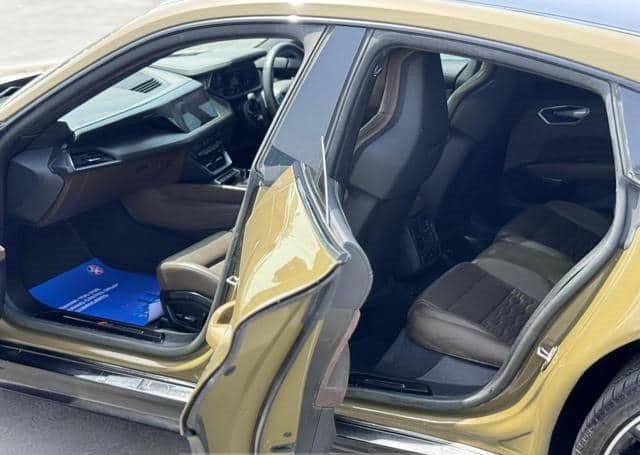
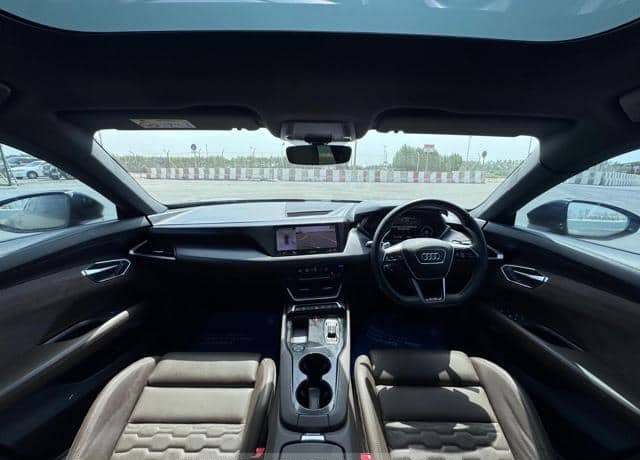
As an experienced car inspector in Uganda, I understand the unique demands placed on vehicles by our diverse environments. The Audi E-Tron 2022, with its advanced technology and electric capabilities, raises several questions for potential buyers. For city commuters in Kampala, the concerns often revolve around charging infrastructure and battery performance in stop-and-go traffic. Those planning upcountry travel might wonder if the E-Tron’s range can adapt to the longer journeys and rugged terrains typical of our rural roads. Budget-conscious buyers are keen on understanding not just the initial cost but also the long-term maintenance implications of owning an electric vehicle in Uganda. Is the charging network adequately developed to support a fleet of electric vehicles? How reliable is the E-Tron’s performance in our humid and sometimes unpredictable weather conditions? Lastly, what are the potential repair and servicing challenges for electric vehicles in a market still adjusting to this technology? These questions are crucial as we navigate the suitability of the Audi E-Tron for the Ugandan landscape.
Answer
Verdict
Suitable with conditions. The Audi E-tron 2022 can be a reliable vehicle in Uganda, particularly in urban settings like Kampala, but potential buyers should be mindful of charging infrastructure and road conditions, especially during the rainy season.
Performance in Ugandan Conditions
The Audi E-tron 2022 performs well in urban settings but may face challenges on upcountry roads, which can be rough and unpaved. The vehicle’s high ground clearance suits the pothole-ridden areas commonly found in Kampala.
Battery Range
The E-tron offers a range of approximately 300 to 400 km on a full charge, depending on driving conditions and habits. This can vary based on vehicle trim and specific features. Always verify the exact range using the VIN.
Charging Infrastructure
While Kampala is steadily improving its electric vehicle infrastructure, the availability of charging stations may still be limited compared to conventional fuel stations. Planning is essential for long trips, especially to upcountry regions.
Weather Resilience
The E-tron is designed to withstand various weather conditions, including heavy rains experienced in Uganda. However, the vehicle’s battery life and performance can be influenced by prolonged exposure to humid conditions.
Fuel Efficiency
In terms of energy consumption, expect an efficiency of around 19 to 24 kWh per 100 km. This consumption can vary based on driving style and road conditions.
Summary
The Audi E-tron 2022 presents a suitable option for urban Ugandans, provided that drivers remain aware of the limitations of charging infrastructure and road conditions. Its electric capabilities make it an appealing choice for environmentally conscious consumers.
FAQs
1. What is the average range of the Audi E-tron 2022?
The Audi E-tron 2022 has an average range of about 300 to 400 km per full charge.
2. Can I charge an Audi E-tron at home?
Yes, the Audi E-tron can be charged at home using a standard electrical outlet or a dedicated electric vehicle charging point.
3. How does the Audi E-tron handle potholes?
With its high ground clearance, the Audi E-tron is well-suited for pothole-ridden areas, although caution is still advisable.
4. Is the battery durable during the rainy season?
The E-tron’s battery is designed to handle various weather conditions, including heavy rain, but maintenance and care are crucial.
5. Are charging stations readily available in Uganda?
While the charging infrastructure is growing, it is currently limited, so planning for longer trips is essential.
The LAND ROVER DISCOVERY 3 2009, produced in 2009, embodies a robust design and advanced features that cater to off-road enthusiasts, making it a notable contender for Uganda’s diverse terrains....
The Land Rover Discovery 3 Manual Diesel 2008 is a robust vehicle well-suited for the varied terrains of Uganda, where off-road driving is often essential. Known for its advanced four-wheel...
The Land Rover Discovery 30-Diesel 2015 is a vehicle designed for both luxury and rugged terrain, making it a popular choice for adventurers in Uganda. With its powerful diesel engine,...
As an experienced car inspector in Uganda, I often encounter potential buyers eager to find a vehicle that meets their unique needs. Uganda’s diverse terrains—from bustling city streets to rugged...
Family owned dealership of new and pre-owned vehicles with several locations across the Uganda. Lowest prices and the best customer service guaranteed.
You're almost there, select at least one more to compare!
We use cookies to ensure that we give you the best experience on our website. If you continue to use this site we will assume that you are happy with it.
You can revoke your consent any time using the Revoke consent button.