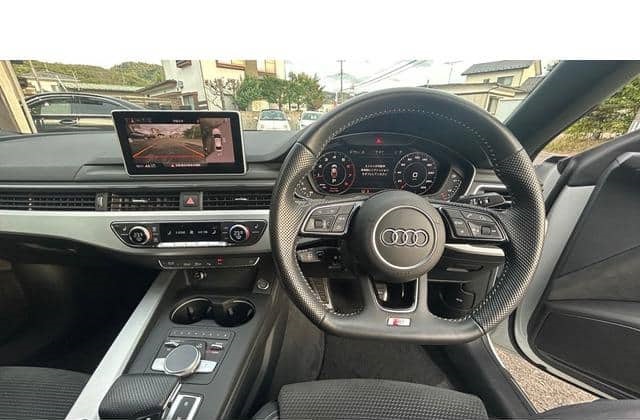
This practical guide is designed to be used at the viewing, during the test drive and to help you decide whether to pay or walk away. It covers the common issues, mechanical and electrical checks, model‑specific items for the 2020 A5 range (coupe, Sportback and cabriolet), and a short checklist you can print or copy to your phone.
Before the viewing — paperwork and background
Ask for the full service history (stamped book, dealer records or PDF receipts). Regular oil/service intervals are especially important for 2.0 TFSI engines.
Check the VIN on documents and vehicle (door pillar, chassis). Confirm mileage matches service and MOT history (UK) or maintenance logs.
Ask whether the car is stock or remapped. ECU tunes are common; they affect warranties and long‑term reliability.
Check for outstanding recalls/TSBs with the dealer or manufacturer website and whether recall work was completed.
At the viewing — exterior, interior and underbody
Exterior quick checks
Panel gaps and paint texture: look for overspray, mismatched panels (possible accident repair).
Lights: matrix/LED headlights and indicators should work fully; adaptive leveling should not be visibly sagging.
Wheels/tyres: check tyre age (DOT code), tread depth and uneven wear — inner wear suggests suspension or alignment problems.
Brakes: visual check of pads and discs for even wear and scoring.
Interior and electrics
MMI, Virtual Cockpit and infotainment: test all menus, Bluetooth, camera, parking sensors and voice commands.
Seats and electrics: check seat adjustment, memory function, heating and lumbar — especially for multi‑option S‑line seats.
Climate: AC cold, heater working, vent flap noises, and correct display readings.
For cabriolet: inspect soft top for tears, seals and check the hood mechanism and drainage outlets for corrosion or blockages.
Underbody and engine bay
Look for oil leaks around cam cover, turbo oil feed and oil cooler lines. A small oil stain is common; heavy leaks are a problem.
Check for corrosion on subframe, suspension mounts and around jacking points (important for cabriolets and older coastal cars).
Battery condition and service tag; check for aftermarket wiring/tapping that might indicate prior poor electrical work.
During the test drive — what to listen and feel for
Cold start: note any loud rattles, ticking or excessive smoke on start. A quiet smooth start is expected on a well‑maintained A5.
Idle and low revs: misfires, rough idle or sudden flames/smell of fuel suggest carbon buildup or injector faults — common to direct injection engines.
DSG automatic: shifts should be smooth and quick. Hesitation, judders, clunks or delayed engagement indicate mechatronic/DSG issues. On manual cars, clutch engagement should be firm and consistent without chatter.
Acceleration: turbo lag is normal; however, inconsistent boost or surge can indicate boost leaks, wastegate or intercooler issues.
Steering and suspension: straight steering, no pull to one side, no excessive play, and listen for knocks over bumps (drop links, control arm bushings, anti‑roll bar links).
Brakes: progressive pedal, no juddering under heavy stops and no soft sponginess which could indicate air in system or caliper problems.
All‑wheel drive (quattro): listen for noisy centre diffs or unusual clunks when cornering — check for smooth engagement from cold.
Model‑specific notes
2.0 TFSI (most common): watch for oil consumption, carbon build‑up on intake valves and occasional turbo/oil‑line leaks. Regular services with quality oil mitigate many issues.
S5 / 3.0 TFSI: higher power components, potential for higher service costs. Timing chain tensioner issues are rarer on 2020 but look for rattles on cold start.
Cabriolet: check for subframe and sill corrosion, soft top seals and hydraulic/actuator smoothness. Water ingress into boot and rear carpets is common if drains blocked.
Sportback vs Coupe: check rear door seals and hinges on Sportback, ensure tailgate operation is smooth and electrics work.
Red flags — walk or get a strong discount
Major oil leaks, warped or cracked engine parts, obvious accident repair with structural damage.
DSG clutch judder, slipping, or check‑engine codes related to transmission without a repair history.
Soft top leaks that require extensive trim or hydraulic replacement (expensive job).
No service history, clocked mileage, or mismatched VINs and documents.
Unusual noises from under the car (bearing, gearbox or differential) that the seller cannot explain.
Price negotiation and final checks
Use service history gaps, evidence of required maintenance, new tyres, brakes or recent repairs to negotiate. A fresh service or timing‑component work justifies a higher price.
Get a pre‑purchase inspection (PPI) from an independent AUDI specialist if the car is over a certain value for you — it may only cost a couple of hundred but can save thousands.
Confirm warranty transfer (if applicable), refund/return terms, and whether the seller will fix any identified issues before sale.
Final thoughts
The 2020 AUDI A5 is a refined, well‑built car across coupe, Sportback and cabriolet variants. Good examples combine Audi quality, strong engines and desirable features like Virtual Cockpit and matrix LEDs. The most common issues are typical for modern direct‑injected turbo engines (oil consumption, carbon buildup) and occasional DSG/mechatronic faults. With careful checks of service history, a methodical viewing and a thorough test drive — and by avoiding the red flags listed above — you can confidently decide whether to pay or walk. When in doubt, pay for an independent inspection; the peace of mind is often worth the fee.
FAQs
Q: How much should I expect to pay for servicing?
A: Routine service (oil and inspection) for the 2.0 TFSI typically runs less than premium V6 costs — expect higher bills for turbo or DSG work. Budget for roughly £300–£600 for a main service at an independent Audi‑specialist; dealer costs are higher.
Q: Are remaps common and are they a problem?
A: Yes, many A5s are remapped for more power. A tune can reduce reliability and complicate warranty and resale. Ask for before/after dyno or revert to stock before buying if unsure.
Q: Should I be worried about timing chain issues?
A: Most 2020 2.0 TFSI A5s do not suffer from the early timing‑chain failures of older generations, but listen for rattles on cold start. Any unusual noise should prompt inspection.
Q: Is the cabriolet worth the extra maintenance?
A: Convertibles need extra attention: seals, hydraulic components and drainage. If you value open‑top driving, a well maintained cabriolet is worth it, but expect slightly higher running costs.
This compact summary covers the main ownership cost areas for a 2010 AUDI A5 (coupe or convertible): fuel use, routine service, typical repairs and parts, and resale/value factors. I’ll give...
The 2011 AUDI A5 (part of the B8 generation) remains a popular choice for buyers who want a compact luxury coupe/convertible with sharp styling, a refined interior and solid driving...
Applies to Coupe, Convertible (Cabriolet) and Sportback body styles. This is a concise owner-focused guide covering what owners like, common complaints and issues, expected ownership costs, a pre‑purchase/test‑drive checklist, quick...
The 2019 Audi A5 S brings a blend of luxury and performance, but assessing its suitability for Uganda’s unique road conditions requires a closer look. The country’s infrastructure varies significantly,...
Family owned dealership of new and pre-owned vehicles with several locations across the Uganda. Lowest prices and the best customer service guaranteed.
You're almost there, select at least one more to compare!
We use cookies to ensure that we give you the best experience on our website. If you continue to use this site we will assume that you are happy with it.
You can revoke your consent any time using the Revoke consent button.