Applies to Coupe, Convertible (Cabriolet) and Sportback body styles. This is a concise owner-focused guide covering what owners like, common complaints and issues, expected ownership costs, a pre‑purchase/test‑drive checklist, quick ownership tips, a short conclusion and FAQs.
What owners like
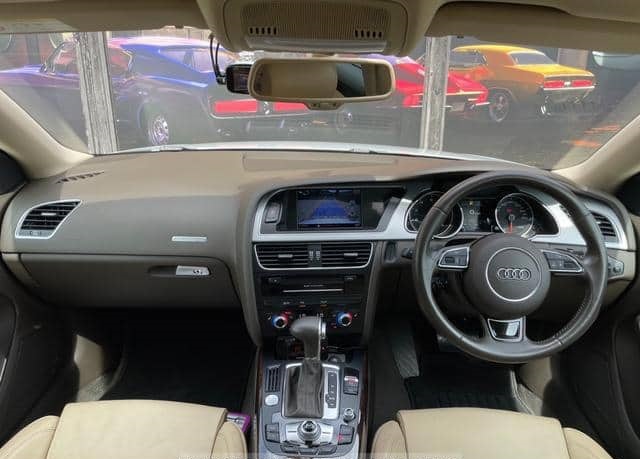
Refined styling and premium interior — clean AUDI design, good materials and comfortable seats for a luxury compact coupe/sedan experience.
Smooth and responsive engines — the 2.0T turbocharged four-cylinder balances performance and economy; Sportback offers extra practicality with a hatch.
Quattro all‑wheel drive availability — adds traction and confidence in poor weather.
Balanced ride and handling — poised chassis with comfortable touring manners but willing dynamics on twisty roads.
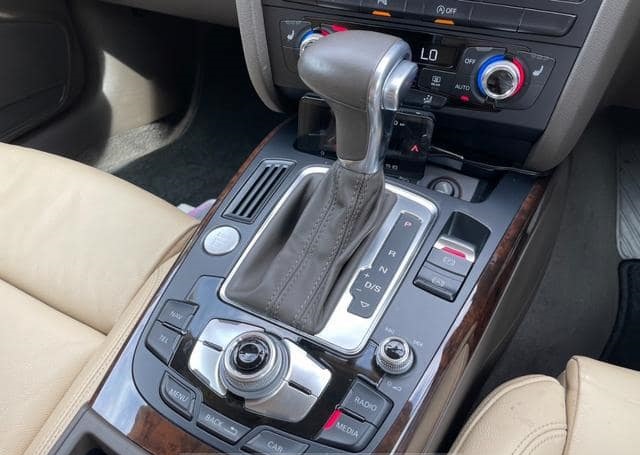
MMI infotainment and features — modern tech for the era, available navigation, Xenon/LED lighting and driver aids.
What owners commonly complain about
Routine maintenance and repair costs — European parts and dealer labor push costs higher than mainstream brands.
Direct-injection carbon buildup — over time intake valves can foul, causing rough idle or misfires if not addressed.
Occasional oil consumption — some turbo Audi engines can use more oil than owners expect if not monitored.
Infotainment or electrical glitches — aging MMI screens, sensors or wiring can show faults (restarts, sensor warnings).
Convertible-specific wear — soft-top or mechanism issues and seal leaks can occur on Cabriolet models if neglected.
Common mechanical issues to watch for
Oil leaks — valve cover gasket, oil filter housing or turbo oil return lines can start to leak with age.
Intake carbon buildup — direct fuel injection leaves deposits on intake valves; symptoms include rough idle, misfire and reduced fuel economy.
Sensors and electronics — oxygen sensors, mass-airflow sensors, parking sensors and MMI glitches are reported.
Suspension bushings and mounts — wear causes clunks or uneven tire wear; engine/transmission mounts can also harden and fail.
Convertible top seals and hydraulics — check for leaks, worn seals, electrical switches and fabric condition on Cabriolets.
Transmission items — automatic gearboxes are generally durable, but fluid and filter service intervals matter; clutch packs or solenoids can be costly if neglected.
Expected maintenance & ownership costs
Costs vary by location, driving habits and whether you use dealer or independent shops. Typical ranges:
Annual routine maintenance: roughly $500–$1,200 (oil changes, filters, small services).
Brake pads/rotors: $300–$800 per axle depending on parts and labor.
Tires: performance tires on these models often $150–$300 each; expect replacement every 30–50k miles depending on use.
Major repairs (turbo, transmission, convertible top mechanism): $1,500–$5,000+ depending on scope.
Consider budgeting for higher-than-average repair bills compared with mainstream sedans and plan for preventative maintenance to avoid expensive failures.
Pre-purchase / Test-drive checklist
Service history and VIN check — verify regular oil changes and major services; run a VIN/Carfax for accidents and title issues.
Engine health — cold start and hot start: listen for rattles, tapping, or uneven idle; check for blue smoke (burning oil) or excessive black smoke.
Oil level and condition — low oil or sludge is a red flag.
Transmission shifting — smooth shifts without hesitation, clunking, or error lamps. Try low- and high-speed driving and downshifts.
MMI and electronics — test the infotainment, GPS, backup camera, parking sensors, HVAC, and all switches; look for warning lights.
Suspension and steering — check for clunks, vibrations, uneven tire wear and steering pull.
Convertible checks (Cabriolet) — inspect seals, top fabric, mechanism operation and trunk for water stains or corrosion.
Look for signs of poor repair or neglect — mismatched paint, panel gaps, welding, or aftermarket work that looks rushed.
Get a pre-purchase inspection (PPI) from an independent Euro-specialist — highly recommended.
Quick ownership tips
Follow recommended service intervals and use OEM or high‑quality fluids and filters — synthetic oil is a must.
Monitor oil level regularly — top off between services if needed and investigate increased consumption early.
Plan for periodic walnut-blasting or professional intake cleaning every 60k–100k miles if the engine shows carbon symptoms.
Use an independent Audi/European specialist for routine and many repair jobs to save on labor while keeping expertise.
Keep tires aligned and replace with quality summer/all-season performance rubber to preserve handling and safety.
Address electrical quirks early — small issues can cascade into larger sensor-driven problems.
For convertibles: lubricate and exercise the top regularly, and store dry if possible to extend seals and fabric life.
Consider an extended warranty if buying higher-mileage example — it can mitigate unexpected expensive failures.
Final thoughts
The 2015 AUDI A5 remains an attractive option for buyers seeking a premium blend of style, driving refinement and practicality (especially the Sportback). It’s enjoyable to drive and well appointed, but prospective owners should be prepared for above-average maintenance costs compared with mainstream brands and be proactive about preventative care (oil monitoring, intake cleaning, and regular servicing). With attentive ownership and a good pre‑purchase inspection, a 2015 A5 can be a rewarding and stylish daily driver.
FAQs
Q: Is the 2015 A5 reliable?
A: The A5 is generally regarded as a solid European compact-luxury vehicle. Reliability depends heavily on maintenance history — owners who follow service schedules and address oil consumption or carbon buildup proactively report the best outcomes.
Q: How much will maintenance cost per year?
A: Expect roughly $500–$1,200 annually for routine care. Budget more if you drive hard, have performance tires, or need larger repairs; significant issues can cost thousands.
Q: Are convertibles (Cabriolet) problematic?
A: Convertibles need extra attention—check seals, the top mechanism and for water intrusion. If the top has been well cared for, they can be fine; neglected tops cause costly repairs.
Q: Should I be worried about carbon buildup?
A: Yes — direct injection engines can accumulate carbon on intake valves over time. If you see rough idle, misfire codes or decreased performance, plan for intake cleaning (walnut blasting) and follow a maintenance schedule to reduce long-term effects.
Q: New buyer — dealer or independent shop for servicing?
A: Use a reputable independent European specialist for routine maintenance to save money; use a dealer if warranty coverage or certified recalls/software updates are needed.
If you’d like, I can generate a printable pre‑purchase checklist PDF or a condensed one-page ownership maintenance schedule tailored to the 2.0T or V6 engines.
This compact summary covers the main ownership cost areas for a 2010 AUDI A5 (coupe or convertible): fuel use, routine service, typical repairs and parts, and resale/value factors. I’ll give...
This practical guide is designed to be used at the viewing, during the test drive and to help you decide whether to pay or walk away. It covers the common...
The 2011 AUDI A5 (part of the B8 generation) remains a popular choice for buyers who want a compact luxury coupe/convertible with sharp styling, a refined interior and solid driving...
The 2019 Audi A5 S brings a blend of luxury and performance, but assessing its suitability for Uganda’s unique road conditions requires a closer look. The country’s infrastructure varies significantly,...
Family owned dealership of new and pre-owned vehicles with several locations across the Uganda. Lowest prices and the best customer service guaranteed.
You're almost there, select at least one more to compare!
We use cookies to ensure that we give you the best experience on our website. If you continue to use this site we will assume that you are happy with it.
You can revoke your consent any time using the Revoke consent button.