

Description
Meta Description: Discover the Toyota Dyna Root Van 2016 for sale in Uganda.
Explore its cargo capacity, business benefits, practical design, and dependable commercial performance at Car Dealer Uganda.
Focus Keyword: Toyota Dyna Root Van 2016
Related Keywords: Toyota Dyna Van Uganda, Toyota Dyna commercial van, Toyota Dyna truck for sale in Uganda, used Toyota Dyna 2016, commercial delivery van Uganda, Toyota business vehicle Uganda.
Introduction to the Toyota Dyna Root…
Meta Description: Discover the Toyota Dyna Root Van 2016 for sale in Uganda.
Explore its cargo capacity, business benefits, practical design, and dependable commercial performance at Car Dealer Uganda.
Focus Keyword: Toyota Dyna Root Van 2016
Related Keywords: Toyota Dyna Van Uganda, Toyota Dyna commercial van, Toyota Dyna truck for sale in Uganda, used Toyota Dyna 2016, commercial delivery van Uganda, Toyota business vehicle Uganda.
Introduction to the Toyota Dyna Root Van 2016
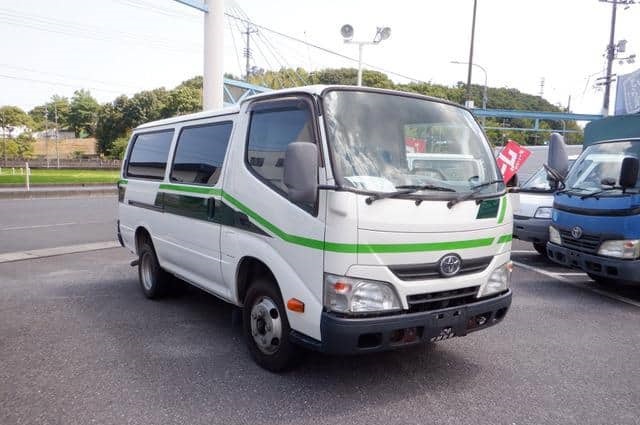
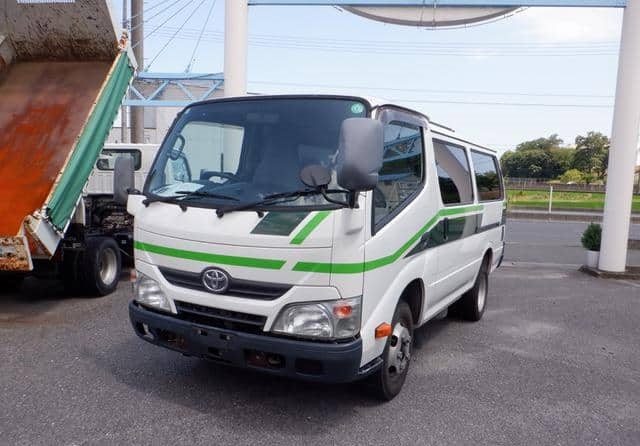
The Toyota Dyna Root Van 2016 offers a practical transport solution for businesses that move goods every day. It combines a commercial vehicle platform with an enclosed cargo body for convenient deliveries. Its design suits entrepreneurs who need dependable transportation for stock, supplies, equipment, and merchandise.
Uganda’s growing business environment creates opportunities for retailers, wholesalers, distributors, and logistics companies. These businesses need vehicles that support timely deliveries and efficient daily operations. The Toyota Dyna Root Van 2016 provides a useful option for meeting those demands.
Whether you operate a retail shop in Kampala or distribute products across several districts, this vehicle deserves consideration. Its enclosed cargo area can help protect goods from dust, rain, and direct sunlight. It also supports organised loading and unloading during routine business deliveries.
At Car Dealer Uganda, buyers can explore commercial vehicles that support different business requirements. Before choosing a Toyota Dyna Root Van 2016, confirm its exact configuration, mechanical condition, payload rating, and registration details.
Why Choose the Toyota Dyna Root Van 2016?
1. Practical Cargo Transportation
The Toyota Dyna Root Van 2016 focuses on commercial transportation rather than passenger comfort or luxury features. Its enclosed body supports businesses that transport packaged goods and supplies. This arrangement helps keep merchandise together throughout the delivery process.
Retailers can use it to replenish shop shelves. Wholesalers can transport cartons to customers and smaller retailers. Service companies can carry tools, equipment, and supplies between job sites.
The vehicle’s suitability depends on its specific body dimensions and approved carrying capacity. Check these details before purchasing, especially if your business moves heavy or bulky products.
2. Enclosed Body for Better Cargo Protection
An enclosed cargo body offers practical advantages over an open transport platform. It helps shield merchandise from changing weather conditions and roadside dust. It also provides a more organised space for loading different product categories.
Businesses transporting packaged foods, household products, clothing, electronics, and general merchandise may appreciate this arrangement. However, perishable goods that require controlled temperatures need an appropriate refrigerated body.
Always inspect the doors, hinges, seals, roof, and cargo floor. These components influence weather protection, security, and everyday usability.
3. A Useful Vehicle for Growing Businesses
Small and medium-sized businesses often need transport that supports several activities. The Toyota Dyna Root Van 2016 can serve delivery routes, supplier collections, and stock transfers, depending on its configuration.
A business may use it to move products from a central store to retail outlets. A distributor may schedule deliveries to customers throughout the week. A contractor may carry equipment and supplies to different projects.
This flexibility can help a business organise transportation around its actual needs. Before buying, compare the vehicle’s dimensions and capacity with the goods you transport most frequently.
4. Commercial Design for Everyday Work
The Toyota Dyna range serves commercial transportation needs. Its cab-forward layout places the driving position near the front of the vehicle, subject to the exact configuration. This arrangement supports a compact overall layout relative to many conventional truck designs.
However, buyers should assess visibility, turning space, parking requirements, and access to loading locations. These factors matter when making deliveries through busy commercial areas or narrow urban streets.
A practical vehicle should fit your routes as well as your cargo requirements.
Toyota Dyna Root Van 2016 Performance and Engine Considerations
Engine Options and Vehicle Configuration
The Toyota Dyna range includes different engine and chassis configurations across markets. Buyers should therefore confirm the exact engine fitted to the individual 2016 vehicle.
Ask the seller to provide the engine details, chassis information, service records, and available import documentation. Match the vehicle identification details against the registration documents before completing your purchase.
Do not assume that every Toyota Dyna Root Van 2016 has identical specifications. Engine type, transmission, drivetrain, and carrying capacity may differ between units.
Performance for Commercial Routes
Commercial performance depends on engine condition, load weight, road conditions, and maintenance history. A well-maintained vehicle with the correct load rating can support routine delivery operations.
Ugandan businesses may use commercial vans on urban roads, highways, and routes connecting regional trading centres. Your intended routes should influence your purchasing decision.
If you regularly travel on rough roads, inspect the suspension, tyres, steering, brakes, and underbody carefully. Ask a qualified mechanic to assess the vehicle before you commit to buying it.
Transmission and Driving Experience
The exact Toyota Dyna Root Van 2016 may have a configuration that differs from another vehicle of the same model year. Confirm whether the unit has a manual or automatic transmission.
During a test drive, check gear engagement, clutch operation where applicable, braking response, and steering control. Listen for unusual engine or drivetrain noises.
A professional inspection can help identify faults that a short test drive might not reveal.
Toyota Dyna Root Van 2016 Fuel Economy and Running Costs
Managing Fuel Expenses
Fuel represents a significant operating expense for many delivery businesses. The Toyota Dyna Root Van 2016 may suit commercial buyers who need a dedicated goods transporter, but actual fuel consumption depends on the specific engine and operating conditions.
Vehicle load, traffic congestion, road gradients, tyre condition, driving habits, and maintenance can all influence fuel use. Frequent stop-and-go deliveries may produce different results from longer highway journeys.
Request reliable consumption records for the specific vehicle whenever possible. You can also track fuel purchases and kilometres travelled after acquiring it.
Reduce Unnecessary Operating Costs
Smart operating practices can help businesses control vehicle expenses. Maintain the correct tyre pressures and follow the manufacturer’s servicing schedule. Remove unnecessary cargo and avoid exceeding the approved payload.
Plan delivery routes to reduce repeated journeys. Group nearby customer orders whenever practical. Train drivers to accelerate smoothly and avoid unnecessary idling.
These measures can improve operational efficiency without relying on unrealistic fuel-saving claims.
Consider the Total Cost of Ownership
The purchase price tells only part of the ownership story. Buyers should also budget for fuel, insurance, servicing, tyres, repairs, licensing, and other applicable charges.
A vehicle with a lower initial price may need significant repairs. A more carefully maintained unit may offer better value over time.
Compare the full condition and documented service history of available vehicles. Choose a unit that matches your budget and expected workload.
Toyota Dyna Root Van 2016 Exterior and Cargo Design
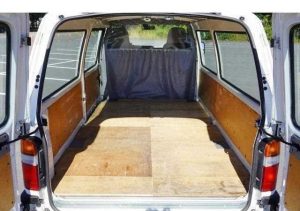
Enclosed Cargo Space
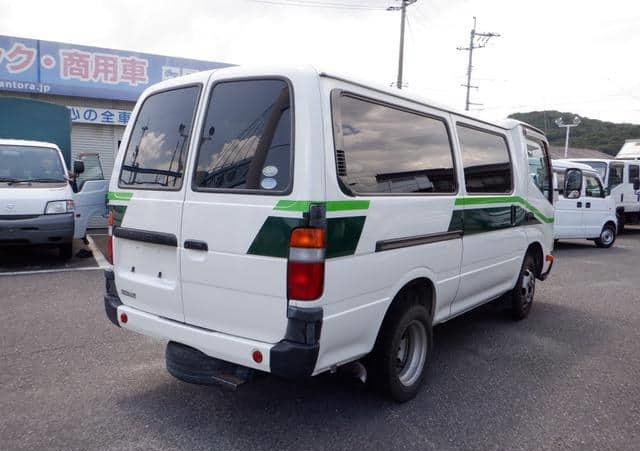
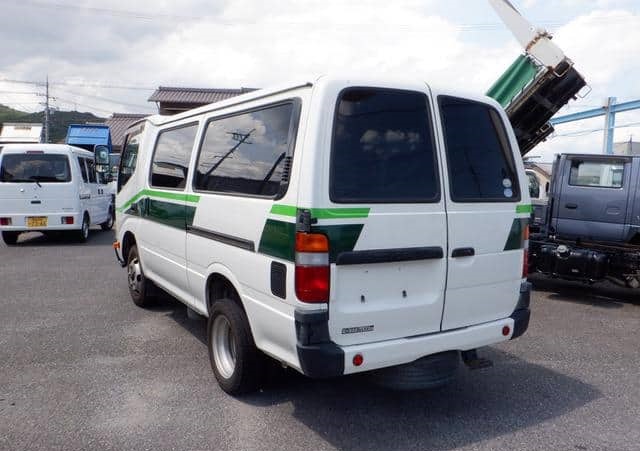
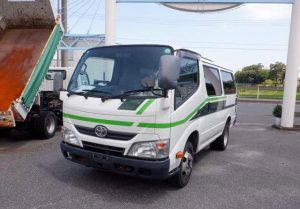
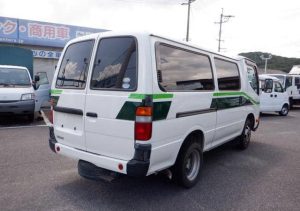
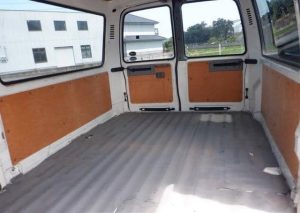
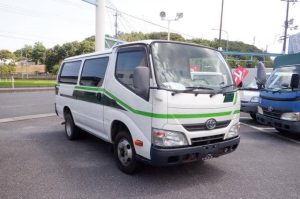
The defining feature of a root van configuration is its enclosed cargo area. This design supports businesses that need a dedicated space for goods rather than an open load bed.
The exact dimensions depend on the vehicle’s body and conversion. Measure the cargo compartment before buying if you transport standard cartons, furniture, appliances, or other large products.
Check the height and width of the rear opening. Confirm whether the doors allow convenient access at your usual delivery locations.
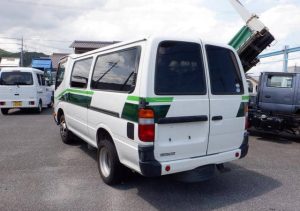
Rear Doors and Loading Access
Cargo access affects how quickly staff can complete deliveries. Inspect the rear doors, locking mechanisms, hinges, and handles. Open and close every door several times to check for sticking or misalignment.
Look for signs of water entry, damaged seals, and previous repairs. Examine the cargo floor for corrosion, cracks, or excessive wear.
If your business uses loading equipment, verify the opening dimensions and floor strength before purchase.
Exterior Condition and Durability
A commercial van may experience demanding work throughout its service life. Inspect the body panels, roof, chassis, wheel arches, and lower sections for rust or damage.
Pay attention to areas around the cargo doors and body joints. These locations can reveal wear or previous accident repairs.
Ask the seller about the vehicle’s history and any major repairs. An independent inspection can help you assess the quality of previous work.
Interior Comfort and Driver Convenience
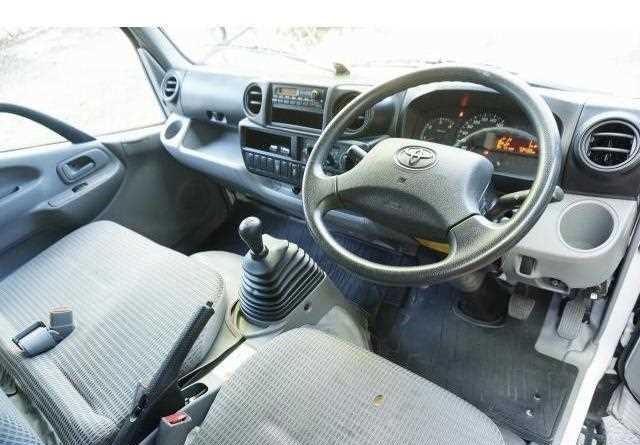
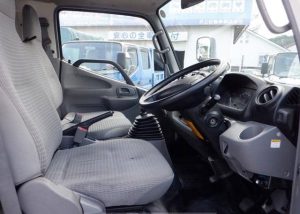
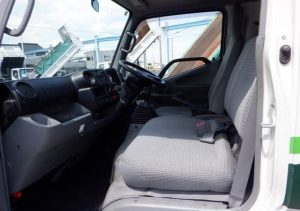
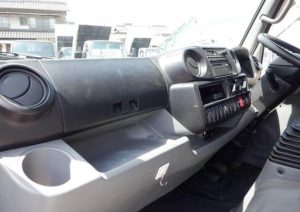
A Functional Driver’s Cabin
Commercial drivers often spend several hours behind the wheel. A clean, functional cabin can support comfort during delivery operations.
Inspect the driver’s seat, seat belts, dashboard, instruments, mirrors, and door controls. Test the lights, indicators, wipers, horn, and ventilation system.
Check that the driver can adjust the seating position and reach essential controls comfortably. Good visibility also matters when manoeuvring through crowded loading areas.
Visibility and Manoeuvrability
Delivery drivers often encounter pedestrians, motorcycles, parked vehicles, and narrow streets. Correctly adjusted mirrors and functioning lights help drivers observe their surroundings.
Test the steering response and turning behaviour in a safe area. Check for unusual vibration, steering play, or difficulty manoeuvring.
The vehicle’s dimensions may affect access to particular compounds and loading bays. Measure restricted entrances before assigning the van to a specific route.
Cabin Inspection Checklist
Before purchasing, check the following items:
- Driver’s seat condition and adjustment.
- Seat belts and door locks.
- Dashboard warning lights.
- Headlights, indicators, brake lights, and reverse lights.
- Wipers and ventilation.
- Mirrors and window operation.
- Instrument readings and odometer consistency.
- Signs of water damage or unusual cabin odours.
Confirm that the warning lights behave as expected during startup. Ask a qualified mechanic to investigate any persistent warning indicator.
Best Business Uses for the Toyota Dyna Root Van 2016 in Uganda
1. Retail and Wholesale Distribution
Retailers and wholesalers need regular stock movement between suppliers, warehouses, and shops. The Toyota Dyna Root Van 2016 can support these activities when its dimensions and payload suit the products.
Businesses can organise deliveries of packaged household items, clothing, stationery, hardware supplies, and general merchandise. The enclosed cargo area helps keep different orders together during transit.
Use suitable restraints and protective packaging to prevent goods from shifting. Confirm the vehicle’s carrying limits before loading heavy products.
2. E-Commerce and Home Deliveries
Online businesses depend on reliable order fulfilment. A dedicated delivery van can help move customer orders from a store or warehouse to delivery points.
The Toyota Dyna Root Van 2016 may suit businesses that deliver multiple orders along planned routes. Its enclosed body can help protect packages during normal transportation.
However, consider parking availability, access restrictions, and delivery distances. A smaller vehicle may work better for very narrow streets or locations with strict vehicle-size limits.
3. Food and Beverage Distribution
Distributors can use an enclosed commercial van to transport packaged foods, bottled products, and other supplies. The cargo area helps protect products from outdoor exposure during transit.
The vehicle does not automatically provide refrigeration or temperature control. Businesses handling chilled or frozen goods should select an appropriately equipped vehicle.
Keep food cargo areas clean and follow applicable hygiene requirements. Secure bottles, cartons, and containers to reduce movement during transport.
4. Hardware and Building Supplies
Hardware shops and construction suppliers often deliver tools, fittings, packaged materials, and smaller building supplies. The Toyota Dyna Root Van 2016 may support these jobs when the cargo dimensions and payload allow.
Check the weight of heavy items before loading them. Distribute the load evenly and secure it properly.
Long or bulky construction materials may require a different body configuration. Confirm that the goods fit safely within the enclosed compartment.
5. Electronics and Household Products
Electronics retailers and appliance suppliers need careful handling during transportation. An enclosed cargo space can help reduce exposure to rain and dust.
Use appropriate packaging, padding, and restraints. Avoid stacking fragile products beyond their packaging limits.
Measure large appliances before purchase to ensure they fit through the loading doors. A suitable loading procedure can reduce avoidable damage during deliveries.
6. Business Supplies and Equipment
Maintenance companies, installers, and field-service businesses may need space for equipment and supplies. The van can help transport these items between offices, workshops, and customer locations.
Organise tools in secure containers or fitted storage systems. Keep heavy equipment stable and separate fragile items from sharp tools.
Check the cargo layout before adding permanent fittings. Any modification should respect the vehicle’s structural integrity and approved carrying limits.
7. Regional Distribution
Businesses that supply customers outside Kampala may need vehicles for longer commercial journeys. The Toyota Dyna Root Van 2016 can be considered for regional deliveries if its mechanical condition and specifications suit the routes.
Inspect the cooling system, tyres, brakes, suspension, and drivetrain before regular long-distance use. Confirm that the vehicle can handle the expected load and road conditions.
Plan preventive maintenance around mileage and working hours. Reliable servicing helps reduce avoidable interruptions to delivery schedules.
Toyota Dyna Root Van 2016 Maintenance and Reliability
Follow a Consistent Service Schedule
Regular maintenance supports vehicle performance and helps identify problems early. Follow the service intervals specified for the exact engine and configuration.
Keep records of oil changes, filter replacements, inspections, and repairs. Documented maintenance can also help future buyers assess the vehicle’s history.
Use suitable replacement parts and fluids that meet the manufacturer’s specifications. Consult a qualified technician when the vehicle shows unusual symptoms.
Inspect the Engine and Cooling System
Ask a mechanic to inspect the engine for leaks, unusual noises, smoke, and signs of overheating. Check the coolant condition and look for evidence of previous cooling-system problems.
The mechanic should also assess belts, hoses, filters, and other relevant components. Engine diagnostics may help identify faults that do not appear during a basic inspection.
Do not rely only on a clean exterior or a seller’s verbal assurances.
Check the Brakes, Suspension, and Tyres
Commercial loads place demands on tyres, brakes, and suspension components. Inspect tyre wear, tread condition, and age. Look for uneven wear that may indicate alignment or suspension problems.
Test the brakes in a safe environment. Ask a professional to check brake components, suspension joints, shock absorbers, and steering parts.
Resolve safety-related faults before putting the van into daily service.
Inspect the Chassis and Cargo Body
The chassis supports the vehicle and its working load. Look for corrosion, cracks, distortion, and evidence of poor repairs.
Inspect the cargo body’s floor, roof, doors, and mounting points. Ask a qualified professional to assess any suspicious structural damage.
Confirm that previous modifications meet applicable requirements. The body must suit the vehicle’s intended use and approved specifications.
Buying a Used Toyota Dyna Root Van 2016 in Uganda
Verify the Vehicle’s Identity
Check the chassis number, engine details, registration documents, and other identifying information. Ensure that the details match across the available records.
Review the vehicle’s import and ownership documentation where applicable. Confirm the registration status and resolve any discrepancies before making payment.
Use the appropriate Ugandan authorities or qualified professionals to verify legal and registration requirements.
Arrange an Independent Mechanical Inspection
A professional inspection helps you make a more informed decision. Ask the mechanic to assess the engine, transmission, brakes, suspension, steering, tyres, chassis, and electrical systems.
Request a diagnostic scan when appropriate for the vehicle’s system. Ask the mechanic to explain urgent repairs and likely maintenance needs.
Use the findings to assess the overall value of the vehicle. Do not base your decision on appearance alone.
Confirm the Payload and Cargo Dimensions
Different Dyna configurations can have different payload ratings and body dimensions. Ask for the manufacturer’s data or reliable vehicle documentation.
Compare the approved payload with the weight of your usual cargo. Check the cargo compartment’s internal length, width, and height.
Avoid buying a van that cannot safely accommodate your normal business loads.
Inspect the Vehicle’s Working History
Ask how the previous owner used the vehicle. A van that completed frequent heavy-load deliveries may show different wear from one used for lighter work.
Request service records and available repair invoices. Check for signs of accident damage, corrosion, or major body modifications.
Where possible, compare the odometer reading with service records and inspection findings.
Calculate the Full Purchase Budget
Set aside funds for immediate servicing and any repairs the inspection identifies. Include insurance, registration-related expenses, tyres, and other applicable ownership costs.
Ask the seller for the complete price and clarify any additional charges. Keep written records of the agreed terms.
Choose a vehicle that fits both your available budget and your operating requirements.
Toyota Dyna Root Van 2016 Compared with Other Commercial Vehicles
The best commercial vehicle depends on the type of cargo, daily distance, road conditions, and operating budget. Compare the Toyota Dyna Root Van 2016 with other suitable vehicles before making a decision.
Toyota Dyna Root Van Versus an Open-Body Truck
An open-body truck can suit businesses that carry bulky items or goods that need side access. An enclosed van provides more protection from weather and roadside dust.
The right choice depends on your cargo and loading methods. Choose an enclosed body for suitable packaged goods and an open body when your load requires a different arrangement.
Toyota Dyna Root Van Versus a Smaller Delivery Van
A smaller delivery van may work well for lighter loads and restricted urban streets. A Dyna-based commercial van may offer a more suitable platform for certain heavier commercial tasks, depending on its configuration.
Compare payload ratings, cargo dimensions, fuel use, maintenance needs, and purchase costs. Do not judge carrying capacity by exterior size alone.
Toyota Dyna Root Van Versus a Larger Commercial Truck
A larger truck may suit businesses with high-volume or heavy-load requirements. However, it may introduce different purchase, running, and manoeuvring costs.
The Toyota Dyna Root Van 2016 may suit businesses whose loads fall within its approved limits. Calculate your normal delivery volume before deciding which vehicle class offers better value.
How the Toyota Dyna Root Van 2016 Can Support Business Growth
Improve Delivery Organisation
A dedicated delivery vehicle can help businesses organise stock transfers and customer orders. Staff can prepare shipments in advance and follow planned delivery routes.
Clear loading procedures can reduce confusion during busy periods. Keep customer orders separated and use delivery records to track completed work.
Expand Your Service Area
Reliable transportation may help a business serve customers in additional locations. Before expanding, calculate the fuel, labour, maintenance, and time required for each route.
Test new delivery areas on a manageable scale. Review whether the extra revenue covers the additional operating expenses.
Support Customer Satisfaction
Customers appreciate accurate delivery arrangements and clear communication. A suitable commercial van can support consistent transport when the business manages scheduling, loading, and vehicle maintenance effectively.
Keep customers informed about expected delivery times. Use proof-of-delivery records where practical.
Remember that the vehicle supports your operations; business results still depend on planning, staff, pricing, and customer service.
Frequently Asked Questions About the Toyota Dyna Root Van 2016
1. Is the Toyota Dyna Root Van 2016 suitable for business use in Uganda?
It can suit many commercial applications, including general deliveries, retail distribution, and equipment transportation. Confirm that the specific vehicle’s condition, cargo dimensions, and payload meet your business requirements.
2. What does “Root Van” mean?
The term generally describes a van-style commercial body with an enclosed cargo compartment. However, sellers may use different naming conventions. Confirm the actual body type and dimensions of the vehicle you intend to purchase.
3. What engine does the Toyota Dyna Root Van 2016 use?
Engine options vary by market and vehicle configuration. Check the engine number, chassis information, and vehicle documentation for the exact unit.
4. How much fuel does the Toyota Dyna Root Van 2016 consume?
Fuel consumption depends on the engine, transmission, load, road conditions, traffic, and maintenance. Request reliable consumption information for the specific vehicle rather than relying on a universal figure.
5. Can the Toyota Dyna Root Van 2016 transport heavy goods?
It can carry goods within its approved payload rating. Confirm the exact rating and cargo dimensions before transporting heavy items. Never exceed the manufacturer’s specified limits.
6. Can I use the Toyota Dyna Root Van 2016 for long-distance deliveries?
It may suit regional deliveries when its mechanical condition, load rating, and configuration meet the route requirements. Arrange a thorough inspection before using it for demanding commercial journeys.
7. Does the Toyota Dyna Root Van 2016 have refrigerated storage?
An ordinary enclosed cargo body does not automatically provide refrigeration. Check whether the particular vehicle has a properly installed refrigeration system if your business transports temperature-sensitive products.
8. What should I check before buying a used Toyota Dyna Root Van 2016?
Inspect the engine, transmission, brakes, suspension, tyres, chassis, cargo body, and electrical systems. Verify the vehicle’s documents and arrange an independent mechanical inspection.
9. Is the Toyota Dyna Root Van 2016 suitable for e-commerce deliveries?
It may suit e-commerce businesses that handle multiple packages and planned delivery routes. Compare the cargo space and operating costs with your average order size and delivery area.
10. Where can I find a Toyota Dyna Root Van 2016 in Uganda?
Visit Car Dealer Uganda at cardealer.ug to explore available vehicle listings. Confirm current availability, price, mileage, specifications, and condition directly with the seller.
Why Buy Through Car Dealer Uganda?
Car Dealer Uganda helps buyers explore vehicles for personal and commercial requirements. When searching for the Toyota Dyna Root Van 2016, compare available listings carefully and ask sellers for complete vehicle information.
A commercial vehicle purchase deserves careful evaluation. Check the mechanical condition, verify documentation, and confirm the cargo specifications before committing.
Visit cardealer.ug to explore available vehicles and identify options that match your business needs.
Find Your Toyota Dyna Root Van 2016 Today
The Toyota Dyna Root Van 2016 offers a practical option for businesses seeking enclosed commercial transportation. Its potential uses include retail distribution, wholesale deliveries, e-commerce fulfilment, and equipment transport.
The best choice depends on the exact vehicle’s condition, approved payload, engine configuration, and operating costs. Take time to inspect the van and compare it with your daily delivery requirements.
Ready to find a Toyota Dyna Root Van 2016 in Uganda? Visit Car Dealer Uganda at cardealer.ug, review available listings, and contact the seller to confirm the details.
Choose a commercial vehicle that supports your workflow, protects your goods, and fits your business budget.


