

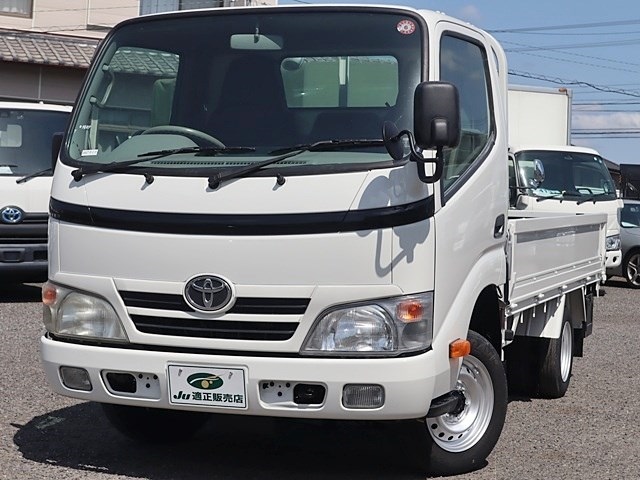
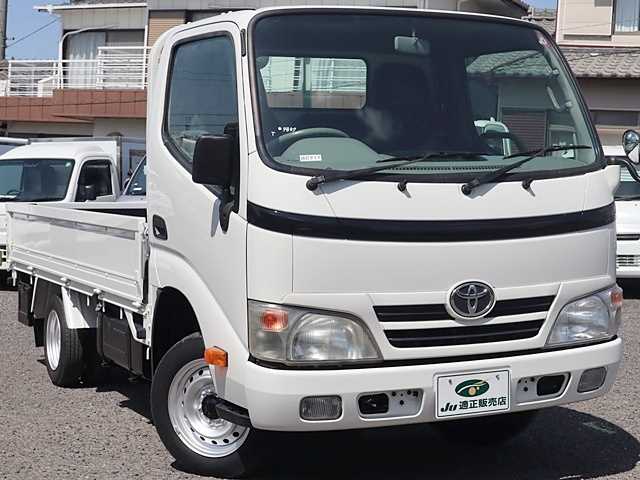
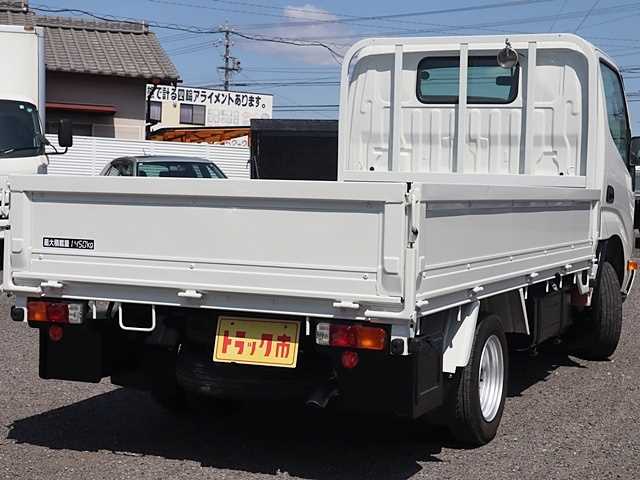
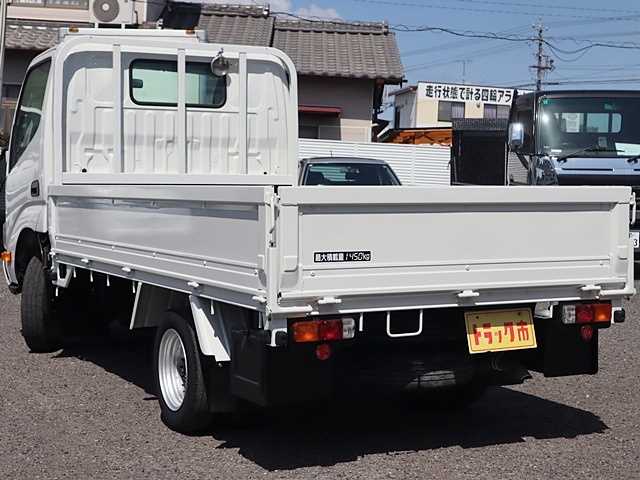
Description
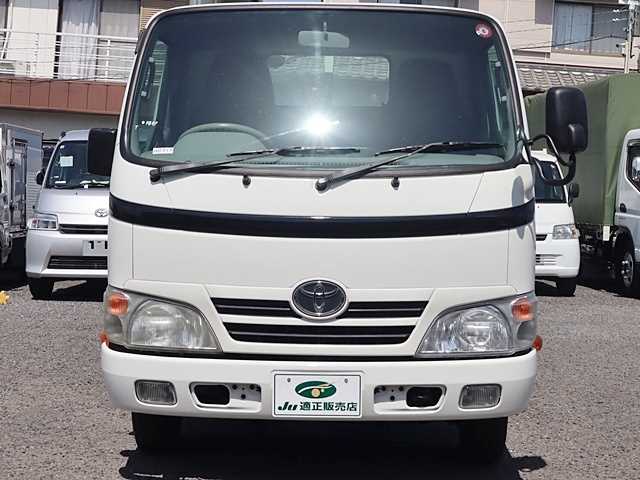
Toyota Dyna Truck 2011 for Sale in Uganda – A Practical Commercial Truck for Business Success
SEO Title: Toyota Dyna Truck 2011 for Sale in Uganda | Car Dealer Uganda
Meta Description: Looking for a Toyota Dyna Truck 2011 for sale in Uganda? Explore its commercial benefits, cargo versatility, business applications, maintenance needs, and buying tips at Car Dealer Uganda.
Focus Keyword: Toyota Dyna Truck 2011
Related Keywords: Toyota Dyna 2011 Uganda, Toyota Dyna truck…
Toyota Dyna Truck 2011 for Sale in Uganda – A Practical Commercial Truck for Business Success
SEO Title: Toyota Dyna Truck 2011 for Sale in Uganda | Car Dealer Uganda
Meta Description: Looking for a Toyota Dyna Truck 2011 for sale in Uganda? Explore its commercial benefits, cargo versatility, business applications, maintenance needs, and buying tips at Car Dealer Uganda.
Focus Keyword: Toyota Dyna Truck 2011
Related Keywords: Toyota Dyna 2011 Uganda, Toyota Dyna truck price in Uganda, used Toyota Dyna truck for sale, Toyota commercial trucks Uganda, Toyota Dyna cargo truck, commercial trucks for business, light-duty trucks Uganda, Car Dealer Uganda.
Toyota Dyna Truck 2011 – A Practical Workhorse for Ugandan Businesses
The Toyota Dyna Truck 2011 offers a useful transportation option for businesses that move goods regularly. Its commercial design supports deliveries, construction supplies, agricultural produce, and general cargo. For Ugandan entrepreneurs, a suitable truck can simplify logistics and help manage daily business operations.
Whether you operate a hardware shop, wholesale business, farm, or distribution company, dependable transportation matters. You need a vehicle that suits your cargo, fits your routes, and supports your operating budget.
The Toyota Dyna range includes different configurations for various commercial needs. Depending on the specific vehicle, buyers may find different engine options, transmission systems, chassis specifications, and cargo bodies.
These differences make careful inspection essential when buying a used truck. Confirm the actual engine, payload rating, body configuration, service history, and vehicle documentation before making a decision.
Car Dealer Uganda helps buyers explore vehicle listings and connect with sellers. If you need a commercial vehicle for your business, the Toyota Dyna Truck 2011 deserves consideration alongside other suitable trucks.
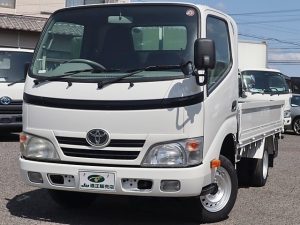
Why Choose the Toyota Dyna Truck 2011 in Uganda?
Choosing a commercial truck involves more than comparing purchase prices. You should consider cargo capacity, operating expenses, maintenance requirements, and suitability for your daily activities.
The Toyota Dyna Truck 2011 offers several potential advantages for businesses seeking a practical working vehicle.
1. Practical Transportation for Everyday Business
Businesses need efficient ways to move goods between suppliers, warehouses, shops, and customers. A suitable commercial truck helps organise deliveries and supports regular distribution schedules.
The Toyota Dyna can serve these needs when its configuration matches the intended workload. The cargo body determines what you can transport and how easily workers can load and unload goods.
For example, wholesalers may prefer an enclosed body for packaged merchandise. Hardware suppliers may choose a dropside body for easier access to building materials.
Selecting the right configuration helps you use the truck more effectively.
2. Support for Small and Medium Enterprises
Small and medium enterprises often need to control transportation costs. Depending on delivery frequency and cargo volumes, owning a suitable truck may offer more flexibility than continually hiring external transport.
A Toyota Dyna Truck 2011 may suit businesses with regular delivery requirements. Owners can schedule trips around customer orders, stock availability, and working hours.
However, ownership involves several ongoing expenses. Consider fuel, servicing, tyres, insurance, licensing, driver costs, and unexpected repairs.
Calculate these costs before purchasing. Compare your projected ownership expenses with your current transportation arrangements.
3. Flexible Commercial Cargo Configurations
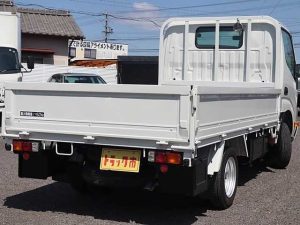
The Toyota Dyna platform supports different commercial body styles, depending on the chassis and intended application.
Possible configurations include:
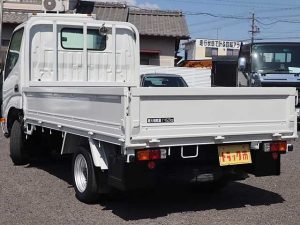
- Dropside cargo truck: Suitable for selected building materials, agricultural produce, and general merchandise.
- Enclosed box truck: Useful for packaged goods that need protection from rain and road dust.
- Tipper truck: Appropriate for approved bulk-material operations when the chassis and conversion meet required specifications.
- Refrigerated truck: Suitable for temperature-sensitive cargo when equipped with a proper refrigeration system.
- Specialised utility truck: Can support selected equipment, maintenance, and service operations.
Not every 2011 Dyna comes with these configurations. Confirm the actual body type, chassis rating, and payload before buying.
4. A Practical Design for Commercial Work
Commercial vehicles must handle everyday transportation duties effectively. Buyers should evaluate the Toyota Dyna according to its cargo capacity, mechanical condition, loading access, and suitability for their routes.
A well-matched truck can help businesses organise deliveries and move goods more efficiently. It can also simplify scheduling when customers require regular supplies.
The key is choosing a vehicle that matches your workload. A truck with insufficient capacity may create operational problems and unnecessary expenses.
Toyota Dyna Truck 2011 Engine and Performance
Engine performance affects how a commercial truck handles cargo, traffic, gradients, and daily travel. Before buying a Toyota Dyna Truck 2011, verify its exact engine and drivetrain configuration.
The Dyna range includes different specifications across markets. Engine capacity, fuel type, transmission, power output, and drivetrain can vary between individual vehicles.
Engine Performance for Daily Transportation
A suitable engine configuration can support routine deliveries and commercial transportation. Actual performance depends on the engine specification, mechanical condition, cargo weight, and road conditions.
During inspection, check how easily the engine starts. Listen for unusual noises and observe whether it idles consistently.
Look for oil leaks, coolant leaks, excessive smoke, and dashboard warning lights. Ask a qualified mechanic to investigate any concerns.
A professional inspection can reveal problems that a brief visual assessment might miss.
Transmission and Drivetrain
Transmission and drivetrain specifications vary across Toyota Dyna models. These systems influence how the truck delivers power and responds to different driving conditions.
During a road test, check gear selection and transmission behaviour. Watch for clutch slipping, unusual vibrations, or noises during acceleration.
Also assess the steering, brakes, suspension, and general handling. These systems contribute to safe and predictable operation.
Performance on Ugandan Roads
Ugandan businesses operate across urban streets, highways, trading centres, and rural routes. Your truck should suit the roads and distances your business uses most frequently.
The Toyota Dyna may support town deliveries and intertown transportation when its configuration suits the task. However, ground clearance, road conditions, tyre selection, cargo weight, and drivetrain affect its suitability.
If your business regularly visits rough roads, inspect the suspension, tyres, chassis, and underbody carefully. Do not assume every Dyna configuration offers the same capabilities.
Toyota Dyna Truck 2011 Fuel Economy and Running Costs
Fuel expenses can significantly affect a transport business’s profitability. Buyers should assess the Toyota Dyna Truck 2011 according to its actual operating costs.
Fuel consumption varies with the engine, maintenance, cargo weight, driving habits, and route conditions. Frequent stops and traffic congestion can also increase consumption.
Factors That Influence Fuel Consumption
Several factors affect the truck’s fuel use:
- Engine condition: Poor maintenance can affect engine performance and efficiency.
- Cargo weight: Heavier loads generally require more energy to move.
- Driving habits: Harsh acceleration and unnecessary idling can increase fuel use.
- Route conditions: Congestion, steep gradients, and frequent stops affect consumption.
- Tyre condition: Incorrect inflation and uneven wear can increase rolling resistance.
- Maintenance practices: Regular servicing helps maintain proper operation.
Ask the seller for available fuel-use information and maintenance records. If possible, assess consumption under realistic operating conditions.
Avoid relying on a single advertised fuel-consumption figure without confirming the engine and vehicle configuration.
Managing Commercial Operating Costs
A consistent maintenance routine can help reduce avoidable expenses. Follow the manufacturer’s service guidance for the specific engine and configuration.
Check engine oil, coolant, filters, tyres, brakes, and other service items at recommended intervals. Address developing mechanical problems promptly.
Compare local servicing costs and replacement-part availability before buying. A suitable commercial truck should fit your transport requirements and long-term operating budget.
Toyota Dyna Truck 2011 Exterior and Cargo Design
The Toyota Dyna features a commercial design focused on practical transportation. Many configurations use a cab-over layout, although the exact cab and body design depend on the variant.
Exterior condition can provide useful clues about previous use. However, appearance alone cannot establish mechanical reliability.
Commercial Cab and Exterior Condition
Inspect the cab panels, doors, windows, mirrors, and windscreen. Look for accident damage, rust, poorly repaired areas, and signs of water entry.
Check the chassis for corrosion, cracks, distortion, and questionable welding. Pay particular attention to structural areas around suspension mounts and cargo-body attachments.
Test the door locks and windows. Confirm that the mirrors provide suitable visibility and that the exterior lights function correctly.
Cargo Body for Different Business Needs
The cargo body determines how effectively the truck serves your business. Measure the usable cargo area and compare it with your typical goods.
A hardware supplier may need a body that accommodates packaged building materials. A wholesaler may prefer enclosed storage for cartons and household products.
An agricultural business may require convenient loading access. Choose the configuration that supports your workflow while keeping cargo secure.
Chassis and Payload Capacity
The chassis supports the truck’s body and cargo. Its condition and rated capacity are essential considerations when purchasing a used commercial vehicle.
Inspect the frame for cracks, severe corrosion, distortion, and poor repairs. Check the suspension, axles, wheels, and tyres for damage or unusual wear.
Confirm the manufacturer’s payload and gross vehicle weight ratings. Account for the cargo body, accessories, occupants, and goods when calculating the available payload.
Never estimate load capacity from the truck’s size or appearance alone.
Toyota Dyna Truck 2011 Interior and Driver Comfort
Commercial drivers may spend many hours behind the wheel. A functional cab can support a more comfortable working environment during deliveries and longer journeys.
Dashboard and Driving Controls
Inspect the dashboard, gauges, switches, warning lights, and ventilation controls. Confirm that the instruments work correctly and display information clearly.
Test the headlights, indicators, brake lights, horn, and windscreen wipers. These systems support visibility and communication with other road users.
Check the steering wheel for excessive play. During a safe road test, assess the braking response and general handling.
Seating and Cabin Condition
Inspect the driver’s seat, passenger seat, seatbelts, and adjustment mechanisms. Check for damaged upholstery, loose fittings, or broken controls.
Examine the cab for water leaks, unusual smells, damaged flooring, and signs of previous flooding. Test the windows and door locks.
A tidy cabin can make daily work more pleasant. However, prioritise mechanical condition and safety when deciding whether to purchase the vehicle.
Visibility and Manoeuvrability
Good visibility helps drivers navigate traffic, loading areas, and delivery locations. Inspect the mirrors, windscreen, windows, and surrounding bodywork for obstructions.
Test the steering and brakes under safe conditions. Investigate unusual vibrations, pulling, grinding noises, or inconsistent braking before putting the truck into service.
Best Uses for the Toyota Dyna Truck 2011 in Uganda
The Toyota Dyna can support different commercial activities when its configuration matches the workload. Its suitability depends on payload, cargo dimensions, body style, mechanical condition, and operating costs.
1. Construction and Hardware Supply
Construction companies and hardware shops regularly move materials between suppliers, stores, and work sites.
A suitably specified Dyna may transport tools, packaged supplies, timber, and other permitted loads within its rated capacity.
For heavy bulk materials, confirm the chassis rating and cargo-body suitability. Tipper applications require appropriate engineering and properly rated equipment.
2. Agricultural Produce Transportation
Farmers and produce traders need to move goods from farms to collection points, markets, and buyers. A suitable commercial truck can help organise these journeys.
Depending on its body configuration, the Dyna may transport produce in manageable loads. Dropside bodies can simplify loading, while enclosed bodies can protect suitable cargo from weather.
Consider ventilation, hygiene, loading access, and cargo restraint when selecting a truck for agricultural use.
3. Wholesale and Retail Distribution
Wholesalers deliver stock to shops, supermarkets, restaurants, and other businesses. A suitable truck helps coordinate these deliveries.
The Toyota Dyna may serve businesses transporting packaged foods, household products, shop inventory, and general merchandise. An enclosed body can offer additional protection for suitable goods.
Group nearby deliveries where practical. Efficient route planning can reduce unnecessary mileage and improve daily productivity.
4. Furniture and Household Goods Delivery
Furniture retailers need to transport bulky products without causing damage. A suitably sized Dyna may support deliveries of tables, chairs, cabinets, mattresses, and selected appliances.
Measure the cargo body before purchasing. Consider product dimensions, loading access, and the protection needed during transport.
Secure goods with suitable restraints and protective materials. Keep the total load within the truck’s rated capacity.
5. Plumbing and Electrical Supply Distribution
Plumbers, electricians, and maintenance businesses regularly transport tools and supplies. A suitable commercial truck can help move pipes, fittings, cables, equipment, and packaged materials.
An organised cargo area can simplify stock management. Businesses carrying valuable tools should also consider secure storage.
6. General Cargo and Local Distribution
General cargo businesses need flexible transportation for different customers. The Toyota Dyna may suit selected delivery routes when its dimensions and payload match the shipment requirements.
Assess average cargo weight, delivery distances, loading frequency, and parking conditions. These details help determine whether the truck fits your business model.
Is the Toyota Dyna Truck 2011 Suitable for Your Business?
The right truck depends on your workload, delivery routes, and budget. Before buying, compare the vehicle’s specifications with your everyday transportation requirements.
Consider these questions:
- What goods will the truck carry?
- What is the average weight of each load?
- Do you need an open or enclosed cargo body?
- Will you mainly operate in town or travel between districts?
- Can your regular routes accommodate the vehicle’s dimensions?
- Can you access qualified mechanics and replacement parts?
- Can your budget cover fuel, maintenance, insurance, and unexpected repairs?
A smaller configuration may suit light deliveries. Businesses moving heavier goods may need a different chassis or truck category.
Avoid paying for capacity you rarely need. However, never overload a truck to compensate for insufficient capacity.
Toyota Dyna Truck 2011 Maintenance and Reliability
A used commercial truck requires careful inspection and consistent maintenance. Its present condition and service history matter more than its advertised reputation.
Review the Maintenance History
Ask for service records and available repair invoices. Check whether previous owners maintained the engine, transmission, cooling system, brakes, and suspension.
Investigate repeated repairs and unexplained service gaps. Missing records do not automatically indicate poor maintenance, but they increase the importance of an independent inspection.
Inspect the Engine and Cooling System
Look for oil leaks, coolant leaks, damaged hoses, and signs of overheating. Observe how the engine starts and runs.
Ask a mechanic to investigate excessive smoke, unusual noises, unstable operation, or warning lights. These signs may indicate issues that require further diagnosis.
A clean engine bay does not necessarily prove good mechanical condition.
Check the Brakes and Suspension
Commercial vehicles can experience demanding workloads. Inspect the braking system, steering components, suspension, wheels, and tyres carefully.
Look for uneven tyre wear, fluid leaks, damaged components, or unusual play. A professional road test can help identify handling and braking concerns.
Resolve safety-related defects before using the truck for deliveries.
Inspect the Chassis and Cargo Body
Examine the chassis for cracks, severe corrosion, distortion, and poor repairs. Check areas around body mounts and suspension attachment points.
Inspect the cargo floor, side panels, doors, hinges, and locking mechanisms. Confirm that modifications preserve structural integrity and meet applicable requirements.
Verify Vehicle Documentation
Match the chassis and engine identifiers against the available documents. Confirm ownership and check for unresolved registration or legal concerns.
Verify the model year, engine specification, and payload ratings. Check whether body conversions or other modifications have appropriate documentation.
Toyota Dyna Truck 2011 Buying Checklist
Use this checklist when evaluating a Toyota Dyna Truck 2011 for sale in Uganda.
-
Confirm the model year and vehicle identification details.
-
Verify the engine, fuel type, transmission, and drivetrain.
-
Request available maintenance records.
-
Arrange an independent mechanical inspection.
-
Inspect the chassis for rust, cracks, and poor repairs.
-
Check the engine, gearbox, clutch, and cooling system.
-
Test the brakes, steering, suspension, and electrical equipment.
-
Examine the tyres and wheels for wear or damage.
-
Measure the cargo body and inspect its condition.
-
Verify the rated payload and gross vehicle weight.
-
Confirm ownership and registration documents.
-
Compare the asking price with similar vehicles.
-
Estimate fuel, maintenance, insurance, and repair costs.
-
Take a safe test drive before committing to the purchase.
Following these steps helps you evaluate vehicles objectively. It also reduces the risk of overlooking expensive problems.
Toyota Dyna Truck 2011 Compared with Other Commercial Trucks
Compare the Toyota Dyna with other trucks in a similar class before making a final decision. Focus on the exact specifications, condition, and expected operating costs.
Toyota Dyna Versus Toyota ToyoAce
The Toyota Dyna and Toyota ToyoAce have closely related commercial-vehicle backgrounds in several markets. However, model names and specifications can differ.
Compare engine details, chassis ratings, cargo dimensions, transmission, and service history. Confirm the exact configuration instead of assuming both vehicles offer identical features.
Toyota Dyna Versus Isuzu Elf
The Isuzu Elf provides another option for businesses seeking commercial cargo transportation. Depending on the model, it may offer different payload ratings, engine configurations, and cargo bodies.
Compare vehicles according to your intended workload. Consider mechanical condition, service history, replacement-part availability, and total ownership costs.
Toyota Dyna Versus Mitsubishi Canter
The Mitsubishi Canter is another commercial truck worth considering. Its suitability depends on the specific model, configuration, payload rating, and operating requirements.
Compare similar vehicles instead of relying only on brand reputation. An independent inspection can help identify potential repairs and establish the vehicle’s condition.
Toyota Dyna Truck 2011 Price in Uganda
The price of a Toyota Dyna Truck 2011 depends on its engine specification, mechanical condition, cargo body, mileage, documentation, and local market demand.
A well-maintained vehicle may cost more than a similar truck that needs significant repairs. Buyers should evaluate the complete vehicle rather than selecting solely by the lowest asking price.
Factors That Influence the Price
Mechanical condition: Engine, transmission, suspension, brakes, and chassis condition affect value.
Cargo configuration: Dropside, enclosed, and specialised bodies serve different purposes and may carry different costs.
Service records: Documented maintenance can help buyers understand the vehicle’s history.
Tyres and repairs: Worn tyres and overdue maintenance may create immediate expenses.
Documentation: Buyers should verify ownership and registration details before payment.
Market demand: Local supply and demand can influence asking prices.
Request a current quotation from the seller. Compare vehicles with similar specifications and condition before negotiating.
How to Calculate the Business Value of a Toyota Dyna Truck 2011
A commercial truck should support your business financially and operationally. Before buying, estimate how it will affect delivery costs and revenue.
Start by identifying your expected delivery volume. Estimate how many trips you can complete safely during a normal working day.
Next, calculate fuel, maintenance, insurance, licensing, driver costs, and other expenses. Include a reserve for unexpected repairs and periods of downtime.
If the truck will replace hired transportation, compare the estimated ownership costs with your current transport expenses. Account for empty return journeys and seasonal changes in demand.
Do not assume that every trip will generate profit. A realistic calculation helps determine whether the truck fits your business plan.
Frequently Asked Questions About the Toyota Dyna Truck 2011
1. Is the Toyota Dyna Truck 2011 available in Uganda?
Availability depends on current inventory and individual sellers. Visit Car Dealer Uganda to explore listings and confirm whether a suitable vehicle is available.
2. What is the Toyota Dyna Truck 2011 price in Uganda?
The price varies with the vehicle’s condition, engine, cargo body, documentation, and market demand. Request a current quotation and compare similar vehicles before purchasing.
3. Is the Toyota Dyna Truck 2011 suitable for business?
It may suit businesses that need regular commercial cargo transportation. The right configuration depends on payload, cargo dimensions, route conditions, and operating expenses.
4. What goods can the Toyota Dyna Truck 2011 carry?
Depending on its configuration and approved payload, it may transport building supplies, agricultural produce, packaged merchandise, furniture, tools, and other commercial goods.
Confirm the actual vehicle’s dimensions and load ratings before use.
5. Does the Toyota Dyna Truck 2011 use diesel or petrol?
Fuel type depends on the specific engine configuration. Verify the vehicle documents and engine identification before purchasing.
6. Is the Toyota Dyna Truck 2011 fuel-efficient?
Fuel consumption varies with engine type, maintenance, cargo weight, route, and driving habits. Request credible information about the individual vehicle’s fuel use.
7. What should I inspect before buying a used Toyota Dyna?
Inspect the engine, transmission, chassis, brakes, steering, suspension, tyres, electrical systems, and cargo body. Verify the documentation and arrange an independent mechanical assessment.
8. Can the Toyota Dyna Truck 2011 transport construction materials?
A suitably configured truck may transport construction materials within its rated payload. Confirm the chassis rating and cargo-body suitability before carrying heavy materials.
9. Can I use the Toyota Dyna for agricultural transportation?
Yes, if the vehicle’s configuration, condition, and payload suit your agricultural products. Consider loading access, weather protection, ventilation, and cargo security.
10. Where can I find a Toyota Dyna Truck 2011 for sale in Uganda?
Visit cardealer.ug to explore vehicle listings and contact sellers. Confirm availability, specifications, price, and documentation directly before arranging payment.
Find a Toyota Dyna Truck 2011 Through Car Dealer Uganda
The Toyota Dyna Truck 2011 offers a practical commercial vehicle option for Ugandan entrepreneurs, distributors, contractors, farmers, and delivery businesses. Its possible configurations can support a range of cargo transportation requirements.
The best purchase combines suitable capacity, sound mechanical condition, reliable documentation, and manageable running costs. Verify the truck’s specifications and arrange a professional inspection before committing your money.
Ready to find a commercial truck for your business? Explore vehicle listings through Car Dealer Uganda and compare available options against your transport requirements.
Visit cardealer.ug to browse listings, contact sellers, and take the next step towards finding a Toyota Dyna Truck 2011 for your business in Uganda.


