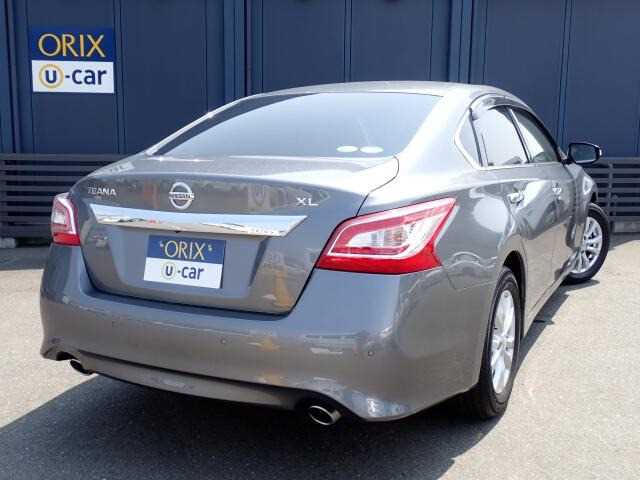
A powertrain warranty is a crucial aspect of automotive ownership. It covers major components of a vehicle’s powertrain, which includes the engine, transmission, and drivetrain. Understanding the specifics of a powertrain warranty, such as duration and mileage limits, is essential for any prospective vehicle owner.
What is Covered Under Powertrain Warranty?
Typically, a powertrain warranty will cover the following components:
Engine: The internal combustion engine, including parts such as the cylinder block, cylinder heads, and oil pump.
Transmission: Both manual and automatic transmissions, covering components responsible for gear shifting.
Drivetrain: This includes axles, driveshafts, and differential gears.
The key focus of this warranty is to protect the essential components that are imperative for the vehicle’s operation, ensuring that you can drive with peace of mind.
Duration of Powertrain Warranty
Most manufacturers offer a powertrain warranty that lasts a duration of 5 years or up to 60,000 miles, whichever comes first. This means that if you experience a powertrain failure due to manufacturing defects within this time period, the manufacturer will cover the repair or replacement costs.
However, specifics can vary significantly among different manufacturers. Some may offer longer warranties, while others may have shorter ones. It is crucial to review the warranty specifications of the vehicle you are considering.
Why a Powertrain Warranty is Important
A powertrain warranty serves several purposes:
Financial Protection: Expensive repairs to the powertrain can be catastrophic. A warranty ensures that you won’t bear the full financial burden if something goes wrong.
Increased Resale Value: Vehicles with a strong warranty provision often have better resale value, making them a more attractive option for potential buyers.
Peace of Mind: Knowing that your vehicle’s critical components are under warranty can alleviate concerns about potential future repairs.
Exclusions to Watch For
While a powertrain warranty covers many crucial components, it’s important to note that it typically does not cover:
Regular wear and tear items such as brake pads, tires, and windshield wipers.
Damage due to accidents, misuse, or neglect.
Routine maintenance services like oil changes and fluid replacements.
Always read the fine print of your warranty to understand what is excluded and ensure that you follow the manufacturer’s recommended maintenance schedule to avoid voiding your warranty.
Claiming Your Warranty
If you encounter an issue that you believe falls under your powertrain warranty, the steps to make a claim are generally straightforward:
Contact your dealer or the manufacturer’s customer service.
Provide them with necessary documentation, such as your warranty booklet, service records, and details about the issue.
Have your vehicle inspected by an authorized service center if required.
Keep in mind that the terms and conditions can vary, so be sure to follow the necessary steps laid out in your warranty.
Final thoughts
In summary, a powertrain warranty is an essential feature to consider when purchasing a vehicle. Understanding the warranty specifics—such as coverage duration (typically 5 years or 60,000 miles) and exclusions—will help you make a well-informed decision. Always read the fine print, and don’t hesitate to ask questions to ensure that you understand the coverage you are receiving. This protection not only offers peace of mind but can also save you significant costs in the event of a powertrain failure.
FAQs
1. What is the difference between a powertrain warranty and a bumper-to-bumper warranty?
A powertrain warranty specifically covers the engine, transmission, and drivetrain components. In contrast, a bumper-to-bumper warranty provides broader coverage, including many of the car’s electronic and interior features.
2. Can I extend my powertrain warranty?
Yes, many manufacturers offer extended warranty plans that allow you to maintain coverage beyond the initial period. Be sure to review the terms thoroughly to understand what is included.
3. What should I do if my powertrain warranty claim is denied?
First, review the reasons for the denial. If you believe the claim was unjustly refused, contact the customer service department of the manufacturer or dealer. You can also refer to the warranty handbook for guidance on the appeals process.
4. Is it necessary to maintain service records for the warranty?
Absolutely. Keeping up with your vehicle’s maintenance and having records can help substantiate your claims and ensure that your warranty remains valid.
5. Are warranties transferable if I sell my car?
Yes, many powertrain warranties are transferable to new owners, which can enhance the resale value of your vehicle. Always confirm the specific terms with your manufacturer.
Market demand is a fundamental concept in economics and plays a crucial role in guiding businesses, policymakers, and researchers. At its core, market demand refers to the total quantity of...
When purchasing a new vehicle, one of the most critical aspects to consider is the warranty coverage that comes with it. Among the various types of warranties offered, the basic...
As an experienced car inspector in Uganda, I understand the unique needs of buyers navigating the local automotive landscape. For those commuting in Kampala, the efficiency of the Nissan Teana...
The Nissan Teana 2014 stands out in the compact executive sedan segment, particularly in urban environments like those found in Uganda. With its blend of performance, comfort, and advanced engineering,...
Family owned dealership of new and pre-owned vehicles with several locations across the Uganda. Lowest prices and the best customer service guaranteed.
You're almost there, select at least one more to compare!
We use cookies to ensure that we give you the best experience on our website. If you continue to use this site we will assume that you are happy with it.
You can revoke your consent any time using the Revoke consent button.