The brake system is one of the most vital components of any vehicle, ensuring safety and reliability on the road. Regular brake system inspection is crucial to maintain optimal performance, avoid accidents, and extend the longevity of your vehicle.
Why Brake System Inspection is Important
Brakes are essential for slowing down or stopping a vehicle, and any failure in the brake system can lead to serious consequences. Here’s why regular brake inspections are necessary:
Safety: The primary purpose of brakes is to stop your vehicle. A properly functioning brake system reduces the risk of accidents.
Cost-Effectiveness: Early detection of minor issues can prevent more significant, costly repairs in the future.
Vehicle Longevity: Regular maintenance extends the life of components, ensuring they work effectively over time.
Performance: Well-maintained brakes improve vehicle handling and performance.
Components of the Brake System
The brake system comprises various components that work together to ensure reliable stopping power. Here are the main parts to inspect:
Brake Pads: These are the friction materials that press against the brake rotors to create stopping power. They wear down over time and should be replaced regularly.
Brake Rotors: Rotors are the discs that the brake pads clamp onto. Warping or uneven surfaces can lead to brake noise and reduced effectiveness.
Brake Calipers: Calipers hold the brake pads and apply pressure to the rotors. Inspect for leaks and proper function.
Brake Fluid: This hydraulic fluid transfers the force from the brake pedal to the calipers. Low fluid levels or contamination can affect braking performance.
Brake Lines and Hoses: These carry the brake fluid to the calipers. Check for leaks, cracks, or corrosion.
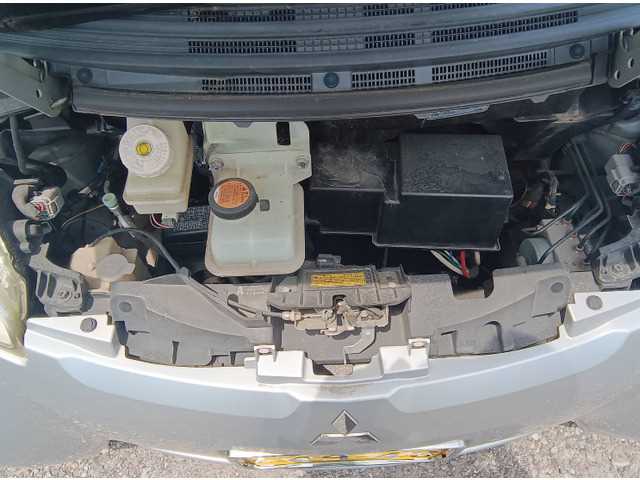
Master Cylinder: This is the storage container for the brake fluid. Ensure it is full and free of leaks.
Steps for a Brake System Inspection
Performing a brake system inspection can be straightforward if you follow these steps:
Visual Inspection
Start with a visual examination of the brake components:
Inspect brake pads for thickness. If they’re worn down to 1/4 inch or less, they need replacement.
Check rotors for scoring, grooves, or corrosion.
Look for fluid leaks around calipers and brake lines.
Examine brake fluid in the master cylinder reservoir. If it’s low or contaminated, it should be replaced.
Test Drive
A short test drive can help identify any issues:
Listen for any unusual noises, like squeaking or grinding.
Pay attention to how the vehicle responds when braking. If it pulls to one side or feels spongy, there may be issues.
Check Brake Warning Lights
Verify that the brake warning lights on the dashboard are functioning correctly. If the light is on, it indicates a potential problem.
Common Signs of Brake Problems
It’s important to be aware of signs that may indicate issues with your brake system:
Squeaking or Grinding Noise: This often means the brake pads are worn and need replacement.
Soft or Spongy Brake Pedal: This could indicate air in the brake lines or low brake fluid.
Vibration or Shaking: If you feel shaking when braking, it could be due to warped rotors.
Brake Warning Light: If this light turns on, don’t ignore it. It signifies a problem that needs immediate attention.
Final thoughts
Regular brake system inspections are not just recommended; they are essential for safe vehicle operation. Understanding the components of the brake system and recognizing common issues can save you from potential accidents and costly repairs. Always consult with a professional mechanic for a thorough inspection and maintenance of your brake system.
FAQs
1. How often should I have my brakes inspected?
It is recommended to have your brakes inspected at least once a year or every 12,000 miles, whichever comes first. However, if you drive in heavy traffic or mountainous areas, consider more frequent checks.
2. What is the average lifespan of brake pads?
Brake pads typically last between 30,000 to 70,000 miles, but this can vary based on driving habits, the type of vehicle, and the pads’ quality.
3. How can I tell if my brake fluid needs changing?
If your brake fluid is dark, cloudy, or below the recommended level in the master cylinder, it is time for a change. Also, if you experience a spongy brake pedal, it may indicate moisture in the brake fluid, requiring replacement.
4. Can I perform brake inspections myself?
Basic visual inspections can be done by most vehicle owners. However, for a thorough check or any complicated issues, it’s advisable to consult a professional mechanic.
The Mitsubishi I, released in 2011, presents an intriguing option for urban driving, particularly in densely populated areas like those in Uganda. With its compact size, the vehicle is designed...
Whining noise can be an irritating phenomenon that many people encounter in various environments. Whether coming from machinery, vehicles, or even appliances within the home, whining noise symbolizes an underlying...
In the world of automotive, tyre specifications play a crucial role in vehicle performance and safety. One such specification is the size, denoted in a format like 145/65 R15. Understanding...
Maintaining your vehicle is vital for its longevity and performance. While many car owners may wait for their vehicle to exhibit signs of wear or malfunction before seeking maintenance, adhering...
Family owned dealership of new and pre-owned vehicles with several locations across the Uganda. Lowest prices and the best customer service guaranteed.
You're almost there, select at least one more to compare!
We use cookies to ensure that we give you the best experience on our website. If you continue to use this site we will assume that you are happy with it.
You can revoke your consent any time using the Revoke consent button.