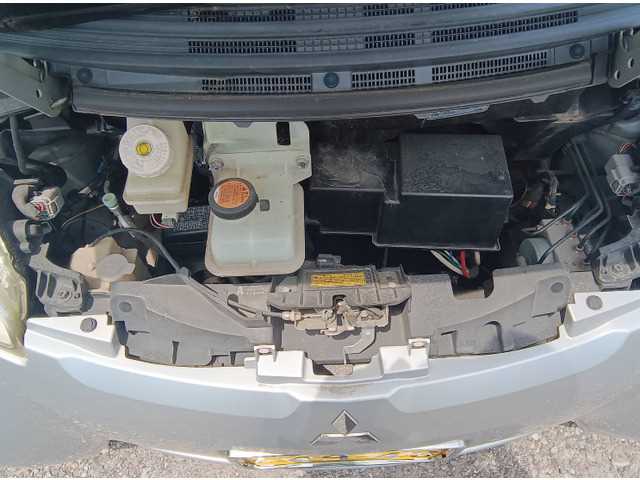
Maintaining your vehicle is vital for its longevity and performance. While many car owners may wait for their vehicle to exhibit signs of wear or malfunction before seeking maintenance, adhering to a regular schedule is essential. One commonly accepted rule is to perform maintenance every 6 months or every 7,500 miles (or 12,000 kilometers), whichever comes first. This article will explore why this schedule matters, what essential services it includes, and how following it helps ensure that your vehicle remains safe and reliable.
Why Regular Maintenance is Important
Car maintenance is not just a recommendation; it is a necessary practice for several reasons:
Safety: Regular checks ensure that crucial safety components such as brakes, tires, and lights are functioning properly.
Performance: A well-maintained vehicle runs more efficiently, improving fuel economy and overall performance.
Longevity: Regular maintenance can extend the lifespan of your vehicle, helping to avoid costly repairs and preserving its value.
Warranty Protection: Many vehicle warranties require adherence to a specified maintenance schedule.
Key Services to Perform Every 6 Months or 7,500 Miles
While your vehicle’s owner manual will provide detailed maintenance recommendations, here are some critical services typically performed during this maintenance schedule:
1. Oil Change
Oil is the lifeblood of your vehicle, and regular oil changes are one of the most crucial maintenance tasks. Oil lubricates the engine components to reduce friction, helps cool the engine, and removes contaminants. Over time, oil breaks down and becomes less effective. As a general rule, you should change your oil every 5,000 to 7,500 miles, depending on the type of oil used.
2. Tire Rotation
Tires can wear unevenly depending on their position on the vehicle. To prolong tire life and enhance safety, it’s recommended to rotate your tires every 5,000 to 7,500 miles. This practice helps evenly distribute wear and can lead to better traction and fuel efficiency.
3. Brake Inspection
Your brakes are a critical safety feature, and regular inspections can help catch any potential issues early. During a maintenance appointment, a mechanic will check the brake pads, rotors, and fluid levels. If you hear grinding noises or feel vibrations during braking, it’s essential to have them checked immediately.
4. Fluid Checks and Replacements
Aside from oil, your vehicle relies on several other fluids for optimal performance. These include:
Brake Fluid: Needs to be clean and at the appropriate level for effective braking.
Transmission Fluid: Should be replaced according to manufacturer guidelines to maintain transmission function.
Coolant: Helps regulate engine temperature and prevents overheating.
Checking and replacing fluids can prevent serious issues down the road.
5. Air Filter Replacement
An air filter keeps dirt and debris from entering your engine. A clogged air filter can reduce fuel efficiency and affect engine performance. It’s typically recommended to replace the air filter every 12,000 to 15,000 miles, but it’s wise to check it during your biannual maintenance.
6. Battery Inspection
Your vehicle’s battery is crucial for starting the engine and powering electrical components. During a maintenance check, a mechanic will inspect for corrosion, clean terminals, and test battery health to prevent breakdowns.
Beyond the Basics: Other Considerations
While the above services are essential, consider additional maintenance depending on the vehicle type and usage. For instance:
Belts and Hoses: Inspect for wear and replace them as needed.
Exhaust System: Check for leaks or damage, especially if experiencing unusual noise or decreased fuel efficiency.
Alignment: Regularly check alignment, especially if you notice uneven tire wear or your vehicle pulls to one side.
Final thoughts
Adhering to a regular maintenance schedule of every 6 months or 7,500 miles (12,000 km) offers numerous benefits, including enhanced safety, improved performance, and extended vehicle longevity. By understanding and committing to these essential car care practices, you equip yourself with the knowledge needed to keep your vehicle in peak condition. Regular maintenance not only saves money on potentially extensive repairs but also provides peace of mind knowing that your vehicle is reliable and safe for you and your loved ones.
FAQs
1. What happens if I don’t perform maintenance every 6 months or 7,500 miles?
Skipping maintenance can lead to a decline in vehicle performance, increased risk of breakdowns, and potentially costly repairs. Components may wear down more quickly without regular inspection and replacement.
2. Can I perform some of the maintenance tasks myself?
Yes! Many basic maintenance tasks, such as oil changes, air filter replacements, and tire rotations, can be performed by the vehicle owner with the right tools and knowledge. However, complex tasks should be left to professional mechanics.
3. Are there any exceptions to the 6 months or 7,500 miles guideline?
Yes, some vehicles may have specific maintenance recommendations based on manufacturer guidelines. Always refer to your owner’s manual for tailored maintenance schedules.
4. How can I find a reliable mechanic for maintenance?
Look for certified mechanics with positive reviews, warranties on services, and experience with your specific vehicle make and model. Recommendations from friends, family, or online reviews can also guide your choice.
5. What should I do if my car shows symptoms of an issue before the maintenance schedule?
If you notice unusual noises, warning lights, or changes in performance, address these issues immediately, regardless of your maintenance schedule. Early detection can prevent further damage and repair costs.
The Mitsubishi I, released in 2011, presents an intriguing option for urban driving, particularly in densely populated areas like those in Uganda. With its compact size, the vehicle is designed...
The brake system is one of the most vital components of any vehicle, ensuring safety and reliability on the road. Regular brake system inspection is crucial to maintain optimal performance,...
Whining noise can be an irritating phenomenon that many people encounter in various environments. Whether coming from machinery, vehicles, or even appliances within the home, whining noise symbolizes an underlying...
In the world of automotive, tyre specifications play a crucial role in vehicle performance and safety. One such specification is the size, denoted in a format like 145/65 R15. Understanding...
Family owned dealership of new and pre-owned vehicles with several locations across the Uganda. Lowest prices and the best customer service guaranteed.
You're almost there, select at least one more to compare!
We use cookies to ensure that we give you the best experience on our website. If you continue to use this site we will assume that you are happy with it.
You can revoke your consent any time using the Revoke consent button.