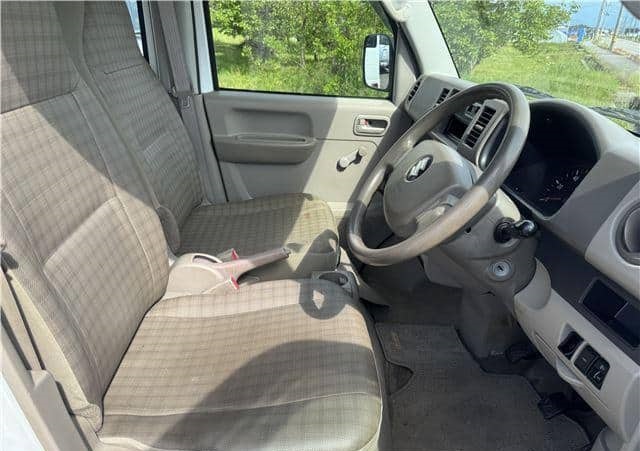
When selecting the right vehicle for your needs, one of the first decisions to make is whether you should opt for a cargo van or a passenger wagon. Each configuration offers distinct advantages, tailored to different use cases. This article will outline the differences between cargo and passenger configurations, specifically discussing the Every’s various offerings, to help you determine which vehicle best serves your needs.
The Essentials of Cargo Vans
Cargo vans are specifically designed for transporting goods. With ample space and a durable interior, they make it easy to carry various types of cargo. Below are some of the key features of cargo vans:
Spacious Interior: Cargo vans typically offer significant storage space, often equipped with shelves or tie-downs for securing goods.
Enhanced Durability: Made with robust materials to withstand heavy loads, the interior is often designed to be easy to clean and rugged.
Improved Payload Capacity: Cargo vans can usually carry more weight compared to their passenger counterparts.
Accessibility: Many cargo vans have sliding side doors, allowing easy access to the cargo area in tight spaces.
These features make cargo vans ideal for businesses such as delivery services, contractors, or any company that requires frequent transport of goods.
The Advantages of Passenger Wagons
On the other hand, passenger wagons are designed with people in mind. They feature comfortable seating, climate control, and entertainment systems, making them a great option for groups and families. Some notable attributes include:
Comfortable Seating: Passenger wagons come with well-padded seats and more legroom to ensure a comfortable ride for everyone.
Safety Features: Often equipped with additional safety features such as advanced airbag systems, stability control, and child safety locks.
Entertainment Options: Many passenger vehicles include features such as infotainment systems and rear entertainment for long journeys.
Versatility: You can easily adjust seating layouts for different needs, from family outings to leisure trips.
Passenger wagons are perfect for families, group travel, or even ride-sharing services where comfort and safety are paramount.
Configurations in Every’s Offerings
The Every vehicle comes in multiple configurations, catering to a variety of needs. To make an informed decision, consider the following:
Cargo Configuration
The cargo configuration of the Every is designed to maximize cargo space and facilitate the efficient transport of goods. Key specifications include:
Large Cargo Area: The rear is spacious enough for sizable loads, whether that’s tools for a contractor or packages for delivery.
Customization: Many cargo vans can be customized with shelving or racks to suit specific business needs.
Fuel Efficiency: Designed with aerodynamics and weight in mind, these models often provide better fuel efficiency for long haul trips compared to larger trucks.
Passenger Configuration
The passenger layout of the Every focuses on providing a comfortable journey for commuters and families alike. Here’s what to expect:
Seating Capacity: These models come with configurable seating arrangements, accommodating larger groups comfortably.
Passenger Comfort: Designed for comfort, these wagons focus on features that enhance the travel experience.
Safety Ratings: Passenger configurations receive higher safety ratings due to additional safety features.
Final thoughts
Choosing between a cargo van and a passenger wagon primarily depends on your usage needs. If your main requirement is to transport goods, then opting for a cargo van configuration is the way to go. This option provides ample space, durability, and specialized features that ensure efficient deliveries. On the other hand, if you’re focused on comfort and transport for groups of people, a passenger wagon would be the better choice, ensuring a safe and enjoyable ride.
By understanding your priorities, the choice between cargo and passenger configurations can become significantly clearer, especially when evaluating Every’s offerings.
Frequently Asked Questions (FAQs)
1. Can I convert a cargo van into a passenger wagon?
While it is possible to add seating and modify a cargo van for passenger transport, it’s essential to ensure that your modifications comply with safety regulations and standards.
2. How much can a cargo van typically carry?
The payload capacity of a cargo van can vary significantly, but most models can carry between 3,000 to 4,000 pounds of cargo, depending on the configuration and manufacturer specifications.
3. What safety features should I look for in a passenger wagon?
Look for features like airbags, anti-lock brakes, electronic stability control, and rear-view cameras to ensure maximum safety.
4. Are there tax benefits for businesses using cargo vans?
Yes, businesses may qualify for tax deductions on their cargo vans as part of their operational expenses; consulting with a tax professional can provide specific information tailored to your situation.
5. Is a passenger wagon good for long-distance travel?
Absolutely! Passenger wagons are designed with comfort in mind, making them suitable for long-distance journeys.
The Suzuki Every Wagon PZ 2017 has garnered attention in Uganda for its compact design and functionality, making it a popular choice among families. Known for its spacious interior and...
The SUZUKI EVERY PC 2020 presents a unique option for families in Uganda, where practicality and space are paramount. With its compact design paired with ample interior capacity, this vehicle...
With the growing emphasis on eco-friendliness and fuel efficiency, the automotive industry has seen a significant rise in demand for smaller engines. One such engine that stands out in this...
The SUZUKI EVERY WAGON PZTB 2020 is increasingly recognized for its practicality in urban environments, particularly within Uganda’s bustling cities. Known for its compact design and versatile interior, this vehicle...
Family owned dealership of new and pre-owned vehicles with several locations across the Uganda. Lowest prices and the best customer service guaranteed.
You're almost there, select at least one more to compare!
We use cookies to ensure that we give you the best experience on our website. If you continue to use this site we will assume that you are happy with it.
You can revoke your consent any time using the Revoke consent button.