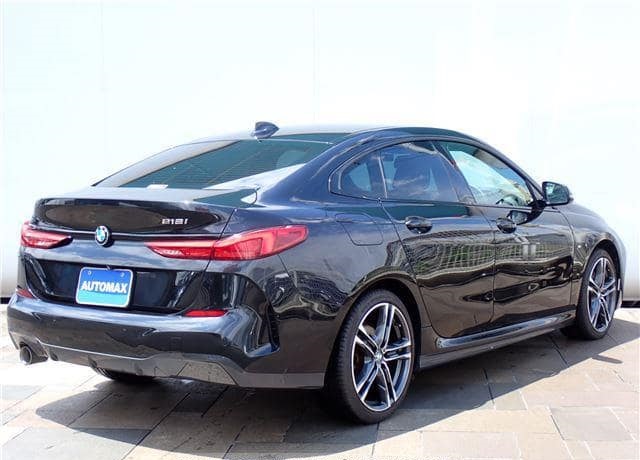
Nice topic — I can give a practical, model-specific plan if you tell me which 2020 2 Series you have (220i/218d, M240i, 230i, diesel, manual/auto) and where you drive (climate/road conditions). Meanwhile, here’s a concise, safe, and actionable guide covering the best upgrades and the tyre/fluids/battery care to keep a 2020 BMW 2 SERIES reliable.
Overview
Routine care plus a few targeted upgrades will keep your 2 Series dependable and enjoyable for years. Focus on items that improve longevity and safety first — tyres, brakes, fluids, battery and suspension — then consider performance or comfort upgrades if they match your use and budget. Always follow the owner’s manual for service intervals and use parts or fluids that meet BMW specifications.
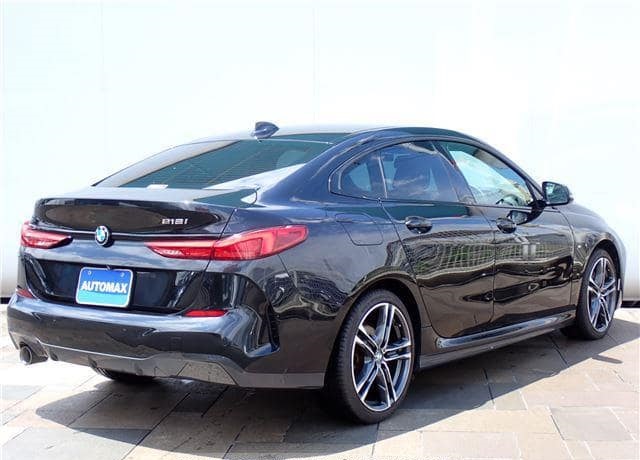
Best Reliability-Focused Upgrades
- Brake pads & rotors: Fit quality pads (OE-equivalent or better) and change rotors if warped or worn. For spirited drivers, high-temp pads are a good compromise between street comfort and performance.
- Brake lines: Stainless-steel braided lines improve pedal feel and reduce swelling over time — a reliability and safety upgrade for older rubber lines.
- Suspension bushings & mounts: Replace perished rubber bushings and worn engine/transmission mounts to reduce drivetrain stress and prevent premature component wear.
- Wheels & tyres: Lightweight, correctly sized wheels reduce unsprung mass. Prioritise high-quality tyres matched to driving conditions — they affect braking, fuel economy and handling dramatically.
- Intake/cooling modest upgrades: An OEM-quality replacement air filter and a well-maintained cooling system (thermostat, hoses) improve engine health. Major tuning (ECU remaps, large turbo upgrades) can shorten component life and may void warranties — weigh costs and servicing needs.
- Underbody protection: If you drive rough roads or winter roads with salt, consider splash shields or undertray protection to reduce corrosion risk.
Tyre Care — The Foundation of Safety
Tyres are the most critical contact patch. Proper care extends life and keeps you safe.
- Pressure: Check tyre pressure monthly and before long trips. Use the vehicle placard/owner’s manual pressures — adjust with load or towing.
- Tread depth: Inspect regularly. Although legal minimums vary, replace tyres at ~3 mm for safe wet traction; 1.6 mm is a last resort.
- Rotation & alignment: Rotate tyres every 8,000–12,000 km (5,000–8,000 miles) or per BMW schedule. Check alignment if uneven wear or after hitting potholes.
- Seasonal tyres: Use dedicated winter tyres when temperatures regularly fall below ~7 °C (45 °F). Summer tyres lose grip in cold; all-seasons are a compromise.
- TPMS & spare: Ensure TPMS sensors are functioning and keep a repair kit or proper spare. Reset TPMS after tyre changes per the owner’s instructions.
Fluids — What to Monitor & When
Fluids keep components lubricated and cool. Follow BMW-recommended specifications (look for “BMW Longlife” or other approved specs in your manual).
- Engine oil: Change intervals vary by engine and driving style. Typical guidance is 10,000–15,000 km or 12 months, but severe duty warrants more frequent changes. Always use the grade and spec the manual recommends.
- Coolant: Check level and condition. Replace coolant at manufacturer intervals (often every 3–4 years) with the specified BMW coolant to protect aluminum components.
- Brake fluid: Replace every 12–24 months. Brake fluid absorbs moisture over time which reduces boiling point and can corrode the system.
- Transmission & differential fluids: Some BMWs have “lifetime” fill claims, but many experts recommend changing automatic transmission fluid and filter every 80,000–120,000 km for longevity, especially under towing or performance use. Consult your manual and a trusted technician.
- Air & cabin filters: Replace engine air filter every 20,000–40,000 km depending on conditions; cabin filter yearly for air quality and HVAC efficiency.
Battery Care — Avoid Start-Up Surprises
Batteries fail gradually. Good care prevents unexpected no-starts.
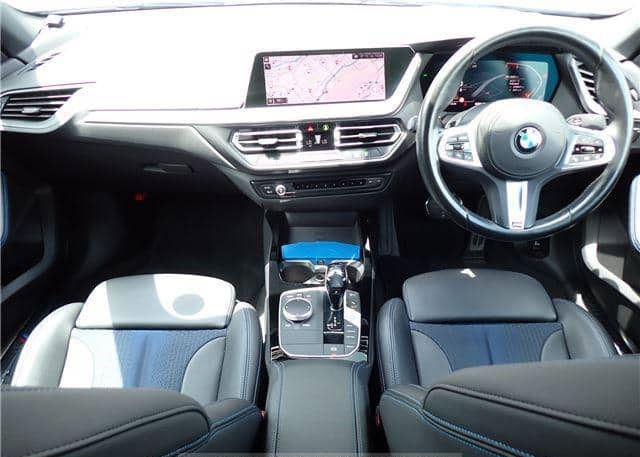
- Type & spec: Check whether your 2 Series uses a conventional or AGM battery (many modern BMWs with start-stop use AGM). Replace with the correct type and cold-cranking/CCA rating.
- Inspection & testing: Test battery health annually after year three, and replace proactively if capacity falls. Many garages provide quick load tests.
- Terminals & charging: Keep terminals clean and tight. Avoid long periods of infrequent driving — use a quality smart charger/maintainer if the car sits for weeks.
- Parasitic drains: If you experience excessive battery drain, have accessories, modules and aftermarket electronics checked by a technician.
Maintenance Practices & Safety Notes
Stick to a simple routine: inspect, service, replace. Keep records of oil changes, tyre rotations and fluid changes — they help track wear and increase resale value. For complex repairs (timing components, high-voltage systems, transmission work), use a BMW specialist or experienced independent shop. Incorrect torque, improper fluid type or poorly executed upgrades can increase failure risk.
Final thoughts
For a 2020 BMW 2 Series, prioritise tyre health, correct fluids, and battery reliability. Add conservative, quality upgrades that reduce stress on components (better pads, lines, bushings) before chasing power. Follow the owner’s manual for specs and service intervals; when in doubt, consult a qualified technician. With attentive maintenance and a few targeted improvements, your 2 Series will remain safe, reliable and enjoyable for many years.
FAQs
- How often should I change the oil?
- Follow your owner’s manual. A common interval is 10,000–15,000 km (or 12 months) for modern BMW engines, but severe driving (short trips, towing, track use) means shorter intervals — around 7,500–10,000 km.
- When should I replace tyres?
- Replace when tread reaches ~3 mm for good wet performance, or at the legal minimum if required. Also replace if there is sidewall damage, bulges, or uneven wear after alignment is checked.
- How do I know if my battery needs replacing?
- Have it load-tested annually after three years. Symptoms include slow cranking, dashboard warning lights, or dimming electronics. Replace proactively rather than waiting for complete failure.
- Can I do upgrades like ECU tunes myself?
- ECU tuning and major hardware modifications can affect reliability, emissions compliance and warranty status. Use reputable tuners and understand the tradeoffs. Simple bolt-on items (filters, pads, lines) are safer choices for DIY if you have mechanical experience.
- Are OEM parts necessary?
- OEM parts are engineered for your car and often offer the best fit and longevity. High-quality aftermarket parts can be good value, but verify specifications and reputation. For critical systems (brakes, cooling, battery), prioritise quality.
- When should I see a BMW specialist?
- For transmission issues, complex electronics, start-stop systems, or diagnostics beyond basic maintenance, a BMW-trained or experienced independent specialist is recommended to ensure correct procedures and software handling.