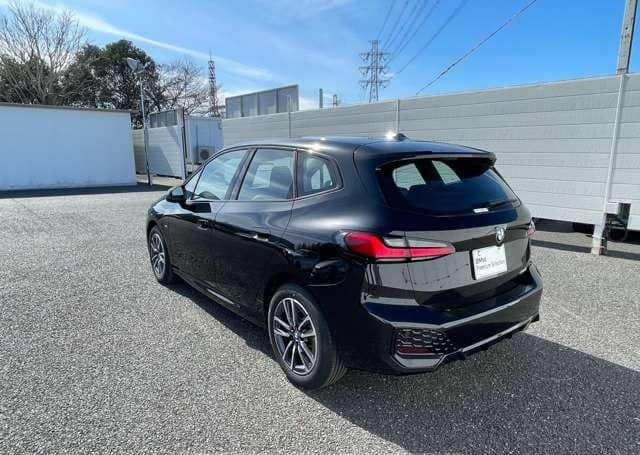
Below are compact, practical notes you can use when evaluating, buying, insuring and owning a 2025 BMW 2 SERIES. I’ve grouped them so you can quickly reference insurance, financing, budgeting / total cost of ownership, risk checks (pre-purchase & ongoing), and long‑term value considerations.
Insurance — What to Expect and How to Lower Costs
- Know the variables: premium depends on trim (base vs performance M variant), engine size, theft/theft-prevalence for the model, safety features, your location, driving record and credit.
- Performance trims cost more: M or M Performance models raise premiums due to higher horsepower and repair costs. If you want lower insurance, consider the 4‑cylinder non‑M trims.
- Repair/parts costs: BMW parts and specialized labor are more expensive than mainstream brands—expect higher collision and comprehensive rates.
- Safety equipment discounts: forward collision mitigation, lane‑keep assist, blind spot monitoring and factory alarm/immobilizer systems reduce rates with many insurers.
- Shop multiple quotes: compare carriers, ask about usage-based (telemetry) discounts and bundling with home policies.
- Deductible strategy: higher deductible lowers premium but increases out‑of‑pocket after a claim—match to your emergency fund.
- Gap insurance: recommended if leasing or financing with low down payment—covers difference between loan balance and totaled car payout.
Financing — Tips for a Better Deal
- Pre‑approval first: get loan pre‑approval from a bank or credit union so you know your APR and monthly payment limits.
- Lease vs buy: leasing often yields lower monthly payments and access to newer tech; buying builds equity and avoids mileage restrictions. Choose based on annual miles, desired ownership length and cash flow.
- Watch dealer financing: dealers may offer promotional APRs but also markup the vehicle price—compare with your pre‑approved rate.
- Loan term caution: longer terms reduce monthly payments but increase total interest and risk of being upside‑down in the first years.
- Negotiate price, not payment: focus on the total purchase price, dealer fees, and factory options rather than monthly numbers to avoid hidden markups.
- Consider incentives: check manufacturer incentives, loyalty programs, and seasonal offers; these can tip lease vs buy decisions.
Budgeting / Total Cost of Ownership (TCO)
Estimate annual ownership costs beyond the monthly payment to make a realistic affordability plan.

- Fuel: depending on engine and driving habits, budget for premium gasoline for some turbo engines and higher cost per year than economy cars.
- Maintenance: expect routine service at a premium—oil changes, brakes, tires, and software updates. Consider BMW’s maintenance plans and weigh against pay‑as‑you‑go.
- Repairs: after warranty, repairs (electronics, turbochargers, suspension components) can be pricey—factor an annual repair reserve ($800–$1,500+ depending on mileage and condition).
- Tires & brakes: performance tires and larger brakes wear faster and cost more to replace—budget for earlier replacement if you drive spiritedly.
- Depreciation: BMWs depreciate notably in first 3–5 years—account for value loss when planning resale or trade‑in.
- Registration & taxes: higher purchase price and local tax rates increase these one‑time and recurring costs.
Risk Checks — Pre‑Purchase and Ongoing
Pre‑Purchase Checklist
- Vehicle history report: check for accidents, title status, odometer discrepancies and service records (Carfax, AutoCheck).
- Recall and TSB search: check manufacturer recalls and technical service bulletins—ask dealer if outstanding recalls were repaired.
- Independent inspection: pay for a pre‑purchase inspection by a BMW‑knowledgeable mechanic or an authorized shop.
- Test drive: test multiple conditions—cold start, highway, parking maneuvers; watch for transmission shift quality, engine noise, steering feel and brake response.
- Software & features: verify infotainment, ADAS features, cameras and sensors work correctly—software issues are common and may require dealer updates.
Ongoing Ownership Checks
- Regular service & records: follow recommended intervals, get service receipts and keep a maintenance log—this helps resale value.
- Monitor fluids & wear items: check coolant, oil levels, tires, brake pad thickness and battery health periodically.
- Software updates: accept manufacturer updates to maintain drivability and ADAS performance—record update receipts.
- Address warning lights promptly: ignoring issues can lead to larger, more expensive failures.
Long‑Term Value Considerations
- Trim and options matter: performance models and desirable options (premium packages, driver assistance, popular colors) can retain value better, but often cost more to insure/repair.
- M models vs base: M and high‑performance trims depreciate differently—some enthusiast demand sustains value, but repair costs remain higher.
- Certified Pre‑Owned (CPO): buying CPO extends warranty and can soften depreciation risk—often worth the premium if you plan to keep the car several years.
- Market trends: compact luxury segments have variable resale depending on fuel prices, EV adoption, and buyer preferences—keep an eye on market when you plan to sell.
- Maintenance history sells: well‑documented service history consistently improves resale value and buyer confidence.
Final thoughts
The 2025 BMW 2 Series is a compelling compact luxury choice with varying ownership implications depending on trim, driving style and how you buy it. Control long‑term cost by shopping insurance, negotiating price/finance terms, keeping detailed maintenance records, and performing thorough pre‑purchase inspections. Decide early whether you prioritize performance, lower ownership costs or long‑term value—each path changes insurance, financing and maintenance tradeoffs.
FAQs
- Should I lease or buy a 2025 BMW 2 Series?
- Lease if you want lower monthly payments, newer tech every few years, and limited miles. Buy if you drive a lot, want to build equity and avoid mileage/condition penalties. Compare total cost over your intended ownership period.
- Will insurance be expensive?
- Expect higher-than-average premiums for luxury and performance trims due to repair costs and theft risk. Shop multiple carriers, use telematics discounts and opt for safety packages to reduce rates.
- Is a CPO 2 Series worth the extra cost?
- CPO can be worth it for peace of mind, extended warranty coverage and potentially higher resale value—especially if you plan to keep the car beyond the original warranty period.
- What are common long‑term maintenance items to prepare for?
- Expect tire and brake replacements, periodic service for turbo engines, occasional electronic or sensor issues, and higher labor/parts costs at independent or dealer shops.
- How can I protect resale value?
- Keep thorough service records, avoid excessive modifications, maintain cosmetic condition, choose broadly desirable colors/options, and address issues promptly.