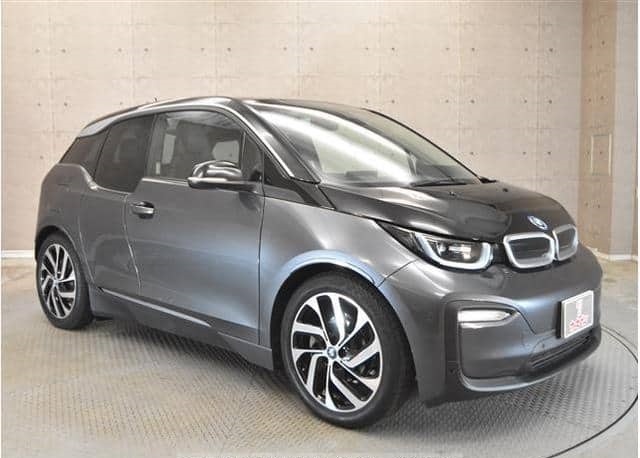
Below is a compact but thorough set of notes to help you evaluate insurance, financing, budgeting, risk checks, and long‑term value for a 2020 BMW I3 (battery‑electric BEV or range‑extender REx). If you want numbers tailored to your location, mileage and an exact listing, tell me those and I’ll run the estimates.
Quick overview
The BMW i3 is a premium compact electric vehicle with unique construction and a distinctive ownership profile. When assessing a used 2020 i3 you should weigh three broad areas: ongoing costs (insurance, charging/fuel, maintenance), financing and budget impacts (loan terms, tax credits, incentives), and risk/value checks specific to electric vehicles (battery health, warranty coverage, software/recall history). The REx model adds an internal combustion engine that affects fuel cost, emissions profile and maintenance complexity.
Insurance considerations
Premium factors: The i3’s classification as a premium European vehicle typically raises comprehensive and collision costs compared with mainstream compacts. Factors include driver age, location, driving record, and trim (REx might be slightly more expensive due to complexity).
Parts and repairs: BMW parts and specialized body panels (carbon fiber reinforced plastic in the i3) can raise repair costs, influencing insurance quotes. Ask insurers about repair networks and whether glass/trim repair is handled by local shops.
Battery coverage: Confirm whether insurer treats battery replacement under comprehensive coverage and how they assess diminished value after a major battery repair.
Discounts: Many insurers offer EV discounts or safe‑driver credits. Bundle policies and shop with multiple companies to compare rates.
Financing and incentives
Loan rates: Used EV loans may carry slightly higher or similar rates to used ICE loans depending on lender familiarity with EVs. Credit unions and banks with EV programs can offer competitive rates; specialty lenders may have restrictions.
Loan term and depreciation: Consider shorter terms (36–60 months) to avoid being upside‑down since EVs can depreciate quickly. Check current market price for comparable i3s to gauge depreciation pace.
Incentives and tax: Federal new‑vehicle EV credits usually do not apply to used cars, but state or local rebates, HOV stickers, charging incentives, or sales tax exemptions may still be available—check your jurisdiction.
Residual value and trade‑in: If you plan to trade or lease later, ask how residuals have tracked historically for i3s and whether certified preowned (CPO) programs are available.
Budgeting: ongoing operating costs
Charging vs fuel: BEV model owners pay for electricity; REx owners pay both electricity and occasional gasoline. Calculate cost per mile based on local kWh rates and typical gasoline prices for REx usage patterns.
Maintenance: EVs have fewer moving parts and typically lower routine maintenance (no oil changes on BEV), but expect specialized service costs for tires, brakes, suspension, and HVAC. The REx adds engine maintenance (oil changes, fuel system, exhaust) that increases costs.
Battery and range: Battery health affects usable range and charging frequency. Keep an allowance in your budget for a reduced range over time and potential battery remediation (software recalibrations, module replacement) if needed.
Registration, inspection, and taxes: Some jurisdictions have higher EV registration fees or add surcharges to offset fuel taxes—include these in your yearly budget.
Risk checks and pre‑purchase inspection
Before buying, verify these items:
Battery health report: Request state‑of‑health (SoH) data from the seller or have a dealer run a diagnostic. Look for significant capacity loss compared with factory spec.
Warranty status: Confirm remaining coverage for high‑voltage battery and electrical systems. BMW CPO programs may extend protections.
Accident and title history: Check vehicle history reports for accidents, flood damage, or salvage branding. The i3’s lightweight, bonded structure can be costly to repair properly.
REx‑specific checks: For range‑extender models, inspect the gasoline engine, fuel lines, and exhaust system. Check for evidence of infrequent engine use (stale fuel, seals) if the engine sat unused for long periods.
Software updates and recalls: Ensure the vehicle’s firmware is current and all recalls are addressed. Some functionality and efficiency gains arrive via software.
Charging history and connector condition: Look for signs of overheating or damage to the charging port and cables. Ask for any public charging usage patterns that could affect charge port wear.
Long‑term value and resale considerations
The i3’s long‑term value depends on battery health perception, market demand for small premium EVs, and shifts in EV technology. Factors that preserve value:
Strong documented service history and remaining factory or extended warranty.
Healthy battery SoH and recent software updates.
Desirable options (navigation, upgraded audio, range‑extender if buyers in your area prefer flexibility).
Risks to value include accelerating improvements in range and charging infrastructure that make older short‑range EVs less appealing, and costly structural repairs that reduce buyer confidence.
Practical checklist before purchase
Obtain a complete vehicle history report and confirm title clarity.
Request battery SoH and diagnostic printout; compare to factory spec.
Verify warranty coverage and any open recalls.
Get a pre‑purchase inspection from a mechanic experienced with BMW EVs.
Collect insurance quotes to factor into your monthly budget.
Estimate charging/fuel costs based on your commute and local rates.
Consider resale demand in your region and plan your financing term accordingly.
Final thoughts
Buying a 2020 BMW i3 can be a smart choice if you prioritize urban agility, low‑running costs (for BEV), and a unique driving experience. Do thorough due diligence: check battery health and warranty status, obtain multiple insurance quotes, and budget for specialized repairs or REx engine maintenance if applicable. Compare financing options and factor local incentives or fees into your total cost of ownership. If you provide your location, mileage expectations and an exact listing, I can produce tailored estimates for insurance, charging/fuel costs, expected maintenance and depreciation to help you make an informed decision.
FAQs
1. How worried should I be about battery replacement?
Battery replacement is the single largest EV repair cost. For the 2020 i3, verify warranty coverage and SoH. Many owners see acceptable capacity retention for years; however, outlier failures can be costly. Negotiate price or require repairs if SoH is poor.
2. Is the REx model worth it?
REx adds convenience and reduces range anxiety by providing a small gasoline generator. It increases complexity and maintenance (engine service, emissions components) and may slightly raise insurance and resale complexity. Choose REx if you need occasional long trips without relying on charging infrastructure.
3. What are typical annual maintenance costs?
Maintenance for BEV i3s is generally lower than comparable ICE cars because of fewer fluids and moving parts, but expect periodic items (tires, brakes, HVAC) and higher repair shop labor for European brands. REx models have additional engine maintenance. Budget conservatively for unexpected repairs.
4. Can I charge at home and how much will it cost?
Yes—home charging is the most convenient and usually cheapest option. Cost per mile depends on your electricity rate. If you provide your electricity price and typical daily miles, I can estimate your monthly charging cost.
5. How do I get a reliable insurance quote?
Provide insurers with VIN, mileage, trim (BEV vs REx), garaging address, and driver details. Shop multiple carriers, ask about EV discounts and repair network capabilities, and compare comprehensive and collision deductibles to balance premium vs out‑of‑pocket risk.
If you want specific numbers for insurance, financing, charging costs, or depreciation based on your region and a particular listing (VIN, mileage, location), tell me those details and I’ll run the estimates.
The 2017 BMW I3 remains one of the most usable, comfortable city‑focused electric cars of its generation. It blends an airy, lightweight cabin and agile footprint with a distinctively different...
The BMW i3, introduced in 2015 as a pioneering electric vehicle, presents an intriguing option for Ugandan road conditions characterized by varied terrain and infrastructure challenges. With its compact size...
As an experienced car inspector in Uganda, I understand the diverse needs of buyers when considering a vehicle like the 2019 BMW i3. In urban areas, where city commuting is...
The BMW i3 2022, an electric vehicle known for its innovative design and sustainability features, raises important questions regarding its compatibility with Uganda’s diverse road conditions. As the country continues...
Family owned dealership of new and pre-owned vehicles with several locations across the Uganda. Lowest prices and the best customer service guaranteed.
You're almost there, select at least one more to compare!
We use cookies to ensure that we give you the best experience on our website. If you continue to use this site we will assume that you are happy with it.
You can revoke your consent any time using the Revoke consent button.