The 2017 BMW I3 remains one of the most usable, comfortable city‑focused electric cars of its generation. It blends an airy, lightweight cabin and agile footprint with a distinctively different driving experience. But the “right” i3 for you depends heavily on your commute length, climate, and how you like to drive. This guide walks through the key choices — comfort, safety, handling and everyday practicality — and finishes with a concise checklist to use when buying or inspecting a used 2017 i3.
Quick note on the 2017 model
In 2017 BMW updated the i3’s battery to the 94 Ah pack (roughly a 33 kWh gross / ~27 kWh usable capacity), significantly improving electric range compared with early cars. The lineup also included the i3s (sportier suspension and wider track) and the Range Extender (REx) option, which pairs the electric drivetrain with a small petrol engine that runs as a generator to extend total range.
Match your spec to your commute
Short city commute (under ~40–50 miles round trip): A pure battery i3 (94 Ah) is ideal — nimble, efficient and cheaper to run. If you mostly charge at home or work and don’t often travel long distances, skip the REx to avoid extra complexity and slightly reduced boot space/weight.
Longer daily driving or occasional trips >60–80 miles: Consider the REx. It removes most range anxiety for cross‑town trips and infrequent long drives without needing public charging stops. Be aware it adds a small petrol system and extra servicing considerations.
Mixed commute with limited charging access: The REx offers peace of mind when charging is intermittent. If you can access public DC fast chargers regularly, the battery‑only car will usually suffice.
Climate considerations
Cold climates: Electric range drops in winter. If you live where temperatures often dip below freezing, either choose the REx or accept a larger winter range penalty and prioritize options like heated seats and steering wheel rather than relying on cabin heating alone.
Hot climates: Air conditioning also reduces range, but less dramatically. Ensure the car has a good climate control system and, if possible, the heat pump option (if fitted) which helps efficiency — check whether your specific car has it.
Comfort and convenience options
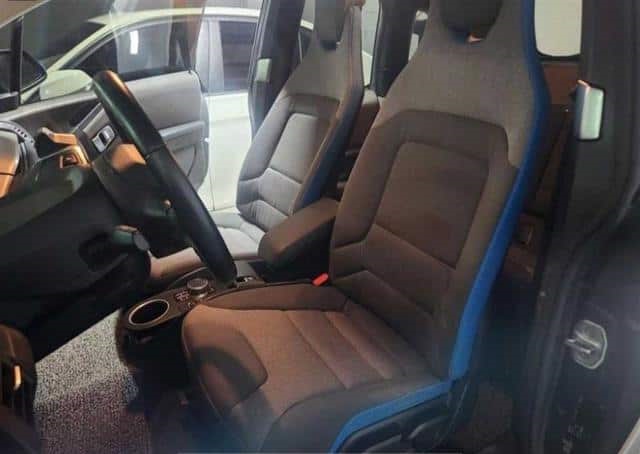
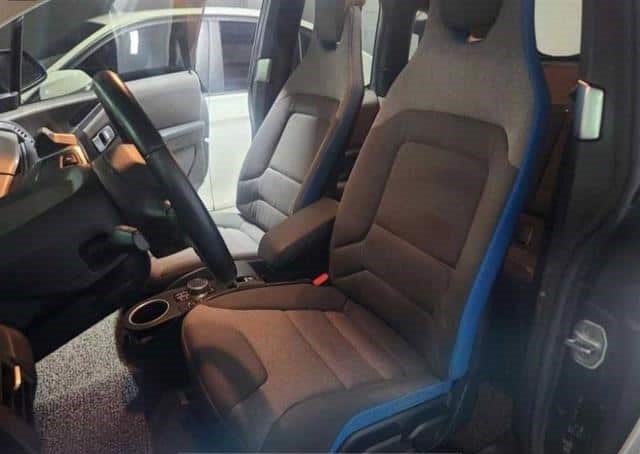
Heating and seats: Heated seats and steering wheel are very effective for improving perceived comfort while using less energy than full cabin heating. Leather or premium upholstery will increase comfort for longer drives.
Charging convenience: Look for a car with the hardware you need: a home charger or proper charging cable(s), and DC fast‑charge capability (CCS in most markets). Some cars come with BMW’s charging cables and adapters — a plus.
Infotainment and connectivity: Guidance with EV route planning and charging station integration is helpful for longer trips. Bluetooth and smartphone connectivity are basic but important for everyday use.
Safety and driver assistance
The 2017 i3 can be optioned with several driver assistance features. Decide which you value:
Parking sensors and reversing camera: Very useful in city environments and make parking easier in tight spots.
Forward collision warning / autonomous emergency braking: If fitted, these improve safety in low‑speed urban driving — check whether these systems are functional and enabled.
Adaptive cruise control: Nice to have for highway use, but not essential for city owners.
Handling: normal i3 vs i3s
The i3s is targeted at buyers who want firmer, sportier handling. It has a lower ride height, firmer springs and typically larger wheels which improve cornering but can make the ride firmer — noticeable on rough urban roads. Choose the i3s if you prioritise sharper steering and a dynamic feel; choose the standard i3 if you prefer a softer, more comfortable ride for daily errands and rough surfaces.
Everyday practicality
Boot and rear seats: The i3’s hatchback layout is practical for shopping and city tasks, but rear space is limited compared to larger hatchbacks. If you regularly carry multiple adult passengers or lots of gear, check the rear access and folding seat function carefully.
Doors and access: The ‘coach’ rear doors on the i3 improve access but check hinges and seals. The lightweight construction uses carbon fibre reinforced plastic panels — inspect for proper fit and any sign of repair after accidents.
Buying and inspection checklist
When inspecting a used 2017 BMW i3, run through these items:
Battery health & range: Ask for recent range figures and, if possible, do a real‑world range test (fully charged, in your typical conditions). Look for significant deviation from expected EPA/official range given battery age.
Charging: Test AC charging, and if available, DC fast charge (CCS) to ensure both ports and charging electronics function.
Service history: Check that routine EV servicing has been followed and any recall work completed. REx cars should have petrol engine service records as well.
REx operation: If it’s a Range Extender, confirm the petrol engine starts and charges the battery, and listen for unusual noises. Look for fuel system leaks and catalytic converter theft damage (occasionally targeted).
HVAC & cabin features: Test heating, AC, heated seats, steering wheel, and the climate interface — HVAC issues can impact comfort and range.
Body & chassis: Inspect the carbon fibre and aluminium structure, door seals, and the coach doors for alignment. Look for any signs of major repair work.
Suspension & brakes: Drive at various speeds to check for noise, vibration, or uneven braking. The i3 uses regenerative braking — check for smooth regeneration and adjustable B‑mode function.
Software & updates: Ask whether the car has received software updates. Infotainment and battery management improvements are sometimes delivered via updates.
Tyres & wheels: Check tyre condition and wheel alignment — large wheel options can be expensive to replace and affect ride comfort.
Price and ownership considerations
The i3 typically holds value for buyers who prioritise city driving, low running costs and a distinctive design. Factor in potential home charger installation, local incentives (if any), and the availability/cost of DC fast charging where you travel.
Final thoughts
The 2017 BMW i3 is a versatile, comfortable and practical electric car — but “best” spec is personal. Choose battery‑only if your daily miles are modest and you have reliable charging. Choose the REx if you need guaranteed long trips without depending on charging infrastructure. Opt for the i3s only if you want firmer, sportier handling and accept a slightly firmer ride. Prioritise heated seats and efficient climate control for harsh climates, and always perform a focused battery and systems inspection before buying. With the right spec and a careful pre‑purchase check, the i3 can be an excellent, low‑running‑cost companion for urban and suburban life.
FAQs
1. How far will a 2017 BMW i3 go on a full charge?
The 2017 i3 with the 94 Ah battery typically achieved roughly 100–125 miles of real‑world range depending on driving speed, temperature and accessory use. Expect lower range in cold weather or at sustained highway speeds.
2. Is the Range Extender (REx) worth it?
The REx is worth it if you regularly drive distances beyond the i3’s electric range and you can’t reliably access public or workplace charging. It adds flexibility at the cost of slightly higher complexity and maintenance.
3. What are the main differences between the i3 and i3s?
The i3s has sportier suspension tuning, a wider track and different wheels/tyres for sharper handling. It feels firmer on imperfect surfaces; choose it for more dynamic driving, the standard i3 for comfort.
4. Can I fast charge the 2017 i3?
Yes — most 2017 i3s were equipped with DC fast‑charging capability (CCS in many markets). Test the port during inspection to ensure fast charging works correctly.
5. What should I watch for when buying a used i3?
Key checks include battery health and real‑world range, charging function (AC/DC), REx operation if present, HVAC performance, service history and signs of structural repair. Also verify software update history and the condition of tyres and suspension.
The BMW i3, introduced in 2015 as a pioneering electric vehicle, presents an intriguing option for Ugandan road conditions characterized by varied terrain and infrastructure challenges. With its compact size...
As an experienced car inspector in Uganda, I understand the diverse needs of buyers when considering a vehicle like the 2019 BMW i3. In urban areas, where city commuting is...
The BMW i3 2022, an electric vehicle known for its innovative design and sustainability features, raises important questions regarding its compatibility with Uganda’s diverse road conditions. As the country continues...
The 2017 BMW i3, known for its electric performance and compact design, presents unique advantages and challenges in the context of Uganda’s driving conditions. With its lightweight frame and efficient...
Family owned dealership of new and pre-owned vehicles with several locations across the Uganda. Lowest prices and the best customer service guaranteed.
You're almost there, select at least one more to compare!
We use cookies to ensure that we give you the best experience on our website. If you continue to use this site we will assume that you are happy with it.
You can revoke your consent any time using the Revoke consent button.