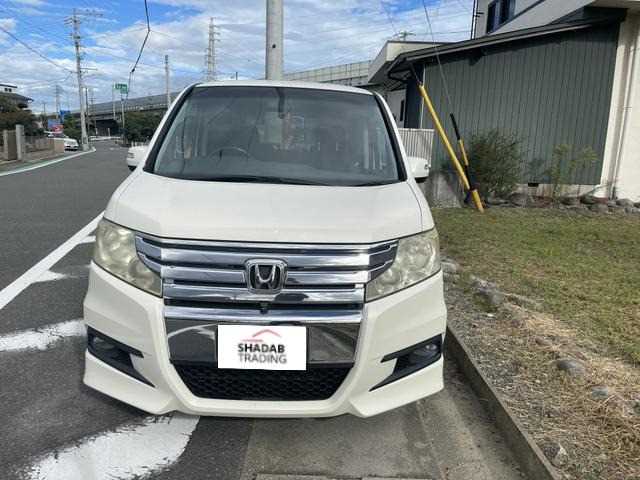
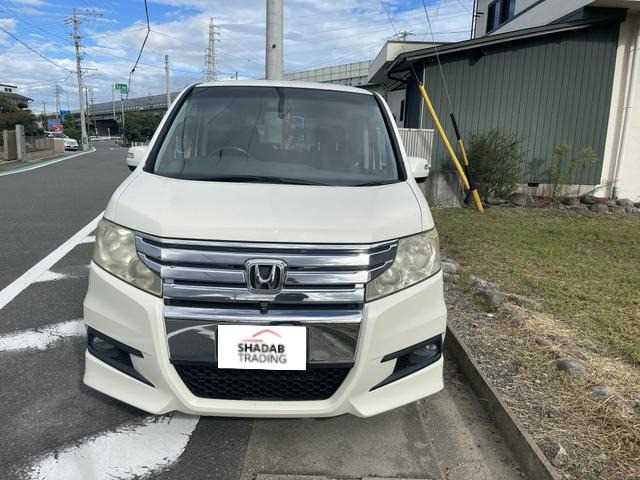
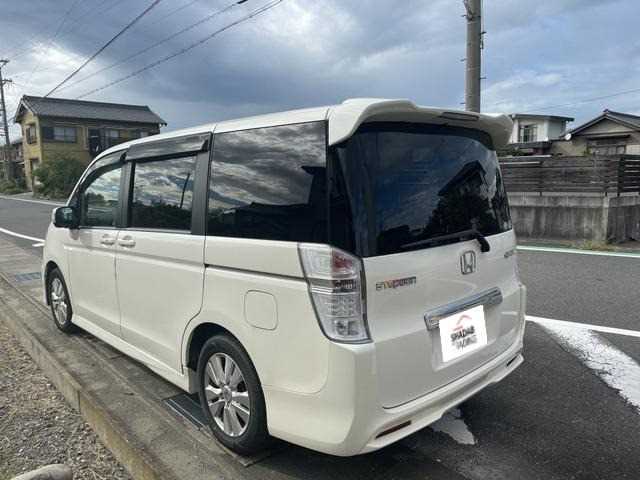
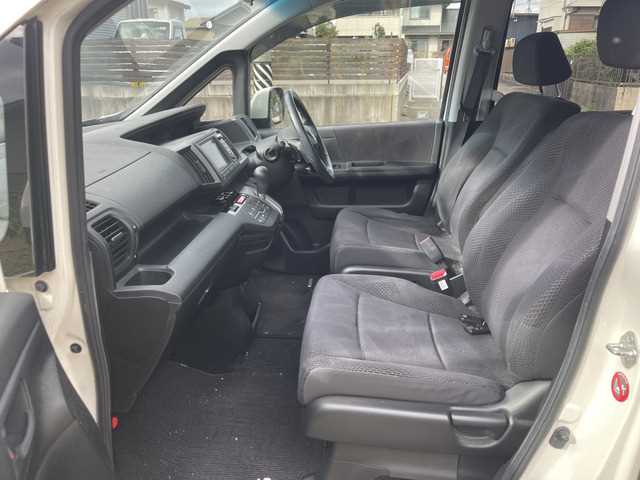
If you want a precise annual running cost and a likely resale range for a 2010 HONDA Stepwgn, tell me:
Which market or country (Japan, UK, NZ, Australia, US, or “none” if you don’t care)
Expected annual mileage (e.g. 8,000 / 12,000 / 20,000 miles or km)
Engine known? 2.0L or 2.4L (or “don’t know”)
With that I can give a tailored number in local currency. Below are general, evidence‑based estimates and the main things to watch for on a 2010 Honda Stepwgn.
Quick overview
The 2010 Stepwgn (sometimes written Stepwagon) is a practical Japanese minivan known for roomy seating, sliding doors and flexible interior packaging. Engines commonly fitted are a 2.0L i‑VTEC and, in some specs/markets, a 2.4L K‑series. Reliability is generally good for Hondas of this era, but age and past maintenance heavily influence outcome.
General annual running cost (ballpark)
Exact running costs depend on fuel prices, insurance, taxes and local labour rates. As a baseline in USD-equivalent terms, expect:
Fuel: $700–$2,000/year (typical annual mileage 8–15k miles, 2.0L ~8–10 L/100 km, 2.4L ~9–12 L/100 km)
Regular maintenance/service (oil, filters, brakes, tyres pro rata): $300–$900/year
Periodic larger jobs (timing-chain guides, shocks, CV boots, wheel bearings, sliding door work): average reserve $200–$1,200/year
Insurance and registration: highly variable — $200–$1,500+/year depending on market, driver profile and whether the vehicle is imported
Total typical running cost: roughly $1,500–$5,000/year for most owners; lower end with light use in low-cost markets, higher if fuel and labour are expensive or unexpected repairs occur.
2.0L vs 2.4L — expected differences
2.0L: Generally more fuel-efficient, adequate for urban and family use. Slightly cheaper to insure and register in some regions where tax scales by engine size.
2.4L: Better acceleration and load carrying; slightly higher fuel consumption and potentially marginally higher maintenance costs. Both engines use chain-driven cam systems (no routine timing-belt service), but check service history.
What to watch for when buying or owning a 2010 Stepwgn
Key inspection points and common age-related problems:
Service history: regular oil changes and transmission maintenance (some models use conventional automatics, others CVTs). CVTs can be sensitive to neglect — confirm fluid change history.
Sliding doors and rails: look for worn rollers, noisy tracks, misalignment or seized rails — repairs are common but often straightforward.
Transmission behaviour: check for slipping, juddering, hesitation on acceleration; any harsh shifts or hesitation warrant a transmission inspection.
Engine oil leaks and consumption: check for external leaks and confirm oil-change intervals. K‑series engines are generally robust but can show higher oil consumption if neglected.
Suspension and steering: worn bushes, shocks/struts and wheel bearings are common on older minivans — check for knocking and uneven tyre wear.
Rust and body corrosion: depends on climate — look under sills, wheel arches, sliding door lower edges and tailgate hinge areas, especially in regions with salted roads.
Air conditioning and electrics: age-related blower motors, compressor leaks or failing actuators can be costly; check all doors, windows and interior electronics.
Interior wear: seat rails, third-row mechanisms and folding seats should operate smoothly; repair/replacement can be expensive if bespoke parts are needed.
Resale value — general guidance
Resale depends on market and condition. As a broad guide:
Japan (domestic auction / used-car lot): lower absolute prices for older Stepwgns — many sell for low tens to mid hundreds of thousands of JPY depending on condition (i.e., relatively inexpensive in JPY terms).
Export markets (NZ, Australia): common as imports — typical prices for a well-maintained 2010 could range from modest to mid four-figures (AUD/NZD), depending on mileage and spec.
UK/US: not a mainstream model; imported examples or conversions command niche pricing and can be pricier due to compliance and shipping.
Bottom line: expect wide variation; give me your market and mileage and I’ll produce a likely resale range in local currency.
Buying tips
Prefer examples with full service history and receipts.
Check sliding door operation, transmission smoothness and A/C performance during a test drive.
Get a pre-purchase inspection, and if the car is an import verify compliance, rustproofing history and any conversion paperwork.
Budget for items commonly replaced on older vehicles: tyres, brakes, shocks, bushings and possibly some engine mounts or door fittings.
Final thoughts
The 2010 Honda Stepwgn is a practical, generally reliable family minivan. Annual running costs are modest compared with larger SUVs but depend strongly on local fuel prices, labour rates and whether the example has been well maintained. To give you a tailored annual cost estimate and a realistic resale range, tell me: market/country, expected annual mileage, and whether the car is the 2.0L or 2.4L (or “don’t know”). I’ll return a specific cost breakdown and likely sale price range for that market.
FAQs
Q: What fuel economy should I expect?
A: Expect roughly 8–12 L/100 km depending on engine, load and driving style (2.0L at the lower end, 2.4L at the upper). City driving raises consumption.
Q: Are timing belts required?
A: Most Stepwgn engines of this era use timing chains, so there’s no routine belt replacement interval — but chain guides and tensioners can wear if oil changes were neglected.
Q: Is parts availability a problem?
A: In Japan, NZ and Australia parts are common. In markets where the Stepwgn wasn’t sold new (some parts or body panels) imports may be required and cost more. Aftermarket and salvage parts are often available.
Q: How long will a well-maintained example last?
A: With regular servicing, many Hondas easily reach 200–300k km (125k–185k miles) or more. Longevity depends on maintenance history and how heavily the van was used.
Q: Should I prefer the 2.0L or 2.4L?
A: Choose 2.0L if you want better economy and potentially lower tax/insurance; choose 2.4L for stronger performance if you frequently carry heavy loads or travel on open roads.
Q: What’s the single most important thing to check?
A: Service history and transmission (shift quality). Neglect in either area is a common cause of expensive repairs later.
Want a precise annual cost and resale estimate? Reply with the market (Japan, UK, NZ, Australia, US, or none), expected annual mileage and engine (2.0L / 2.4L / don’t know) and I’ll calculate tailored figures for you.
I can provide a useful, practical estimate of annual ownership costs and an expected resale range, but the answer depends heavily on a few key variables: country/market, engine/trim, driving style...
As an experienced car inspector in Uganda, I’ve often encountered the diverse needs of buyers when it comes to selecting a vehicle. One group focuses on city commuting, looking for...
This checklist is designed for a buyer or dealer to use when inspecting a 2013 HONDA Stepwgn (Step Wagon). It covers paperwork to verify, a thorough physical inspection, a directed...
This concise guide outlines the main ownership costs and common attention points for a 2013 HONDA Stepwgn (also sold as Stepwagon / “Step WGN”). Numbers are approximate — actual costs...
Family owned dealership of new and pre-owned vehicles with several locations across the Uganda. Lowest prices and the best customer service guaranteed.
You're almost there, select at least one more to compare!
We use cookies to ensure that we give you the best experience on our website. If you continue to use this site we will assume that you are happy with it.
You can revoke your consent any time using the Revoke consent button.