


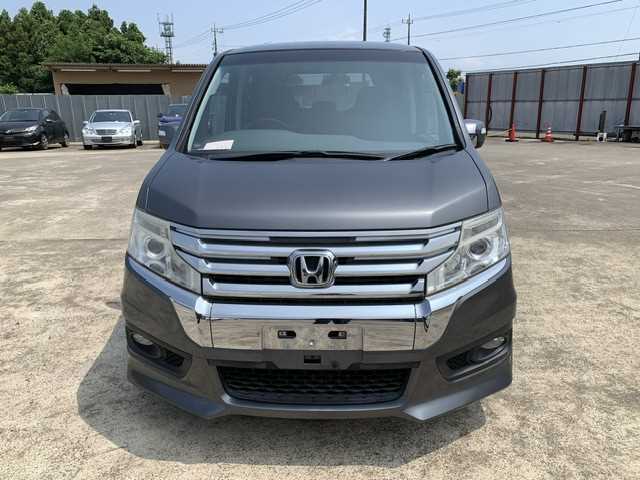
This concise guide outlines the main ownership costs and common attention points for a 2013 HONDA Stepwgn (also sold as Stepwagon / “Step WGN”). Numbers are approximate — actual costs depend heavily on country, local labor rates, trim (Spada, i‑VTEC, etc.), drivetrain (CVT), and the vehicle’s condition. Use this as a practical checklist when budgeting or inspecting a used example.
Fuel use
Typical real-world fuel consumption for the 2013 Stepwgn varies with engine, transmission and driving style. Expect roughly:

- 8–12 L/100 km (about 19–30 mpg US / 12–8 km/L) in mixed driving.
- Lower fuel economy (8–10 L/100 km) is common with heavier loads, city driving, or older CVTs that aren’t operating optimally. More economical figures appear on highway runs.
Tips to reduce fuel cost: keep tires properly inflated, use the recommended grade of engine oil, maintain the air filter and oxygen sensors, and address any transmission issues early (a dragging or slipping CVT will elevate fuel use).
Routine service & scheduled maintenance
Routine maintenance is straightforward but essential to avoid bigger bills later. Typical intervals and approximate costs (country/labor dependent):
- Oil & filter: every 5,000–10,000 km (3,000–6,000 miles). Cost: roughly $30–$120 per service depending on oil type (conventional vs synthetic) and location.
- Brake pads (per axle): replace ~30,000–70,000 km depending on use. Cost: $80–$300 including parts & labor.
- Brake discs/rotors: often replaced every 80,000–160,000 km or when warped. Cost: $150–$500 per axle with labor.
- Spark plugs: change every 60,000–100,000 km depending on plug type. Cost: $50–$200.
- Transmission (CVT) service: recommended fluid change/service every 50,000–100,000 km (follow service manual). CVT fluid and filter service typically costs $100–$400.
- Battery: 3–6 years typical life; replacement cost $80–$250.
- Air filter, cabin filter, belts and coolant: follow the manual. Expect occasional coolant or belt attention over the vehicle’s life; each item commonly costs less than $200 when serviced.
Parts & repairs — what commonly needs attention
Older Stepwgns are generally durable, but watch for these recurring areas:

- CVT-related problems — symptoms include shuddering, hesitation, unusual noise, or slipping. CVT repairs can be expensive if clutch packs or the transmission unit need rebuilding. Preventive CVT fluid changes and watching for warning signs help.
- Sliding doors and mechanisms — check the automatic door motor, rails, and rollers. Repairs or replacement motors can be a few hundred dollars; labor can add up if disassembly is needed.
- Wear items — suspension bushes, shocks/struts, wheel bearings and bushings will be typical mid-life replacements. Expect $200–$800 depending on part and labor.
- Air conditioning — A/C compressors and leaks are possible with age; re-gassing is inexpensive, but compressor replacement can cost several hundred dollars.
- Electrical — window regulators, sensors, or small electronics occasionally fail. Repairs normally range from modest to moderate depending on part accessibility.
- Rust — depending on climate and road salt, check lower body and undercarriage. Spot repairs are cheaper than large-scale corrosion treatment.
Unexpected major repairs
Major, infrequent items to plan for:
- CVT overhaul or replacement: several thousand dollars in many markets if the unit fails and warranty is absent.
- Engine repairs (rare on well‑maintained examples): head gasket, major oil leaks, or internal repairs become costly if deferred maintenance occurred.
- Collision repairs: bodywork for minivans can be expensive due to larger panels and sliding-door mechanisms.
Resale value
Minivans like the Stepwgn generally depreciate faster than compact cars and SUVs. Resale value for a 2013 model depends on market demand in your region, mileage, service history, and condition. Key points:
- Well-maintained, low‑mileage Stepwgns with full service history and no rust hold value better.
- CVT condition and evidence of timely fluid changes significantly affect buyer confidence and resale price.
- Trim and options (Spada, leather, rear entertainment, navigation) can help resale in markets that value family features.
- Expect lower resale prices in markets with little demand for older JDM minivans; values are better in areas with strong demand for seven‑seat vehicles.
Pre-purchase checklist (quick)
- Verify service history — look for regular oil and CVT fluid changes.
- Test sliding doors and all electrical features.
- Drive test to detect CVT shudder, hesitation or noises.
- Inspect for rust beneath the vehicle and around wheel arches.
- Check AC performance, suspension noise, and brake condition.
Final thoughts
The 2013 Honda Stepwgn can be an economical, practical family vehicle if well cared for. Routine maintenance (especially timely CVT fluid servicing where applicable), attention to sliding doors and suspension wear, and early repair of small faults will prevent large bills later. Budget for routine service costs of several hundred dollars a year depending on local labor and driving habits, and set aside a contingency for potential CVT or major component repairs if buying an older high‑mileage example. Always verify service records and perform a thorough inspection before purchase.
FAQs
- How much should I budget per year for ownership?
- For routine maintenance and minor repairs expect a conservative budget of roughly $500–$1,500 per year (varies with mileage and local labor rates). Include an extra emergency fund for major items like CVT work if the vehicle is high mileage.
- Are CVTs a problem on the Stepwgn?
- Some owners report CVT issues on older high‑mileage vehicles. Preventive CVT fluid changes and careful driving reduce risk. If CVT shows shuddering, slipping or warning lights, have it checked promptly.
- Does the Stepwgn have a timing belt to replace?
- That depends on the specific engine. Some Honda engines use timing chains that generally don’t have routine replacement intervals, while others use belts. Check the owner’s manual or VIN-specific service schedule to confirm.
- What are the worst-case repair costs?
- A CVT replacement or major engine repair can run into the thousands (local currency). Body/collision repairs also add up. Good maintenance history is the best way to avoid worst-case bills.
- Is the Stepwgn a good buy used?
- Yes, if you find a well‑maintained unit with documented service, sound CVT behavior, and no rust. For high-mileage or poorly serviced cars, factor in likely repairs into your offer.
Note: All figures above are approximate and intended as a planning guide. Always consult local mechanics and obtain specific quotes for parts and labor in your area.


