Seatbelts are one of the most critical safety features in modern vehicles. The standard three-point seatbelt, designed for all seating positions, has become synonymous with road safety and occupant restraint in the event of a collision. Equipped with various technological advancements, including pre-tensioners, these seatbelts offer enhanced protection and contribute significantly to saving lives on the road.
The Basics of Three-Point Seatbelts
The three-point seatbelt consists of two shoulder straps and one lap belt that forms a “Y” shape. When fastened, it secures the occupant across the chest and around the pelvis, thereby distributing the forces of a collision across the sturdier parts of the body. The standard design allows for unrestricted movement during normal driving conditions while providing the necessary restraint during emergencies.
Benefits of Standard Three-Point Seatbelts
Enhanced Safety: Research has continually shown that wearing a seatbelt reduces the risk of severe injury or death in collisions by 45% to 60%.
Universal Design: Three-point seatbelts are designed to accommodate a variety of body types, making them suitable for all passengers, including adults and children when used with appropriate booster seats.
Simplified Use: The quick-latch mechanism allows for easy fastening and unfastening, encouraging more people to use the belts.
Pre-Tensioners: An Advanced Feature
A significant enhancement in modern seatbelt systems is the use of pre-tensioners. These devices work in conjunction with the seatbelt to tighten the belt during a collision. Upon sensing a crash, the pre-tensioner rapidly retracts the seatbelt, eliminating slack and ensuring that the passenger is held firmly against the seat. This feature significantly decreases the likelihood of the occupant moving forward and potentially hitting the steering wheel, windshield, or dashboard.
How Pre-Tensioners Work
When a vehicle experiences a sudden deceleration, such as during an accident, the vehicle’s crash sensors detect the impact. The pre-tensioner system is activated almost instantaneously, pulling the seatbelt tighter. This reaction happens within milliseconds, showcasing the advanced technology embedded in modern vehicles. By minimizing the initial movement of the occupant, the impact force can be absorbed more effectively by the vehicle’s safety structures, such as airbags.
Installation and Maintenance of Seatbelts
For the optimum safety performance of seatbelts, it’s crucial to ensure they are installed correctly and maintained regularly. Here are some guidelines:
Check for Damage: Inspect seatbelts for fraying, cuts, or any signs of wear. Any damaged seatbelt should be replaced immediately.
Keep Mechanisms Lubricated: Ensure that the seatbelt mechanisms are functioning smoothly. Avoid letting them get stuck or jammed.
Ensure Proper Fit: Ensure that the seatbelt fits snugly across the body and is not twisted. A properly worn seatbelt reduces the risk of injury significantly.
Legal Regulations Surrounding Seatbelts
Most countries have enacted laws mandating the use of seatbelts for all passengers in a vehicle. The specifics can vary by region, but the overarching goal is to minimize injuries sustained in the event of a crash. Enforcement of these laws often involves fines and penalties, emphasizing the culture of safety surrounding road travel.
Final thoughts
The implementation of standard three-point seatbelts equipped with pre-tensioners represents a significant milestone in automotive safety. By minimizing movement during a crash and distributing force evenly, these seatbelts enhance protection for all vehicle occupants. Regular maintenance and adherence to seatbelt laws reinforce the importance of using these life-saving devices. Ultimately, every trip on the road should emphasize safety and responsibility, making buckling up the first step before hitting the road.
FAQs
1. Are three-point seatbelts safe for children?
Yes, three-point seatbelts are safe for children when used correctly. However, smaller children should be placed in appropriate booster seats to ensure the seatbelt fits properly across the body.
2. What should I do if my seatbelt is stuck?
If your seatbelt is stuck, check for twists or obstructions in the belt. Gently pull on the belt to free it. If it remains jammed, consult a mechanic for proper assessment.
3. Do pre-tensioners require maintenance?
Pre-tensioners typically do not require maintenance, but if your vehicle has been involved in a collision, it’s essential to have them inspected and potentially replaced.
4. Are all seatbelts in a vehicle the same?
While all seatbelts serve the same purpose, the design and features may vary by seating position. Front seatbelts often come with additional safety features like pre-tensioners, while rear seatbelts may have simpler designs.
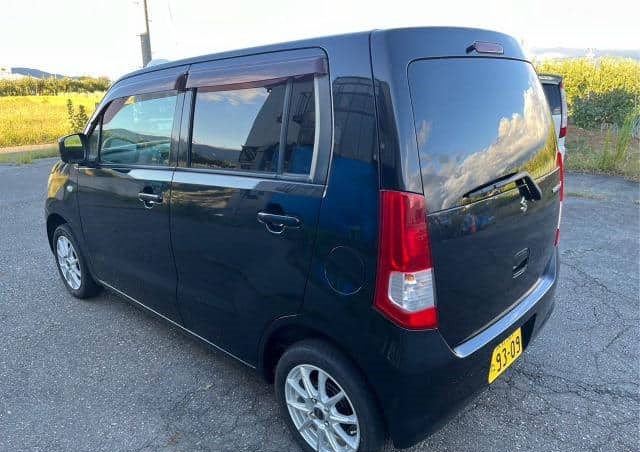
The 2014 SUZUKI WAGON R is a compact car that has gained popularity for its practical design and fuel efficiency. Known for its boxy shape and spacious interior, the Wagon...
What is Body Alignment? Body alignment refers to the posture and positioning of the body during various activities, such as standing, sitting, or exercising. Proper body alignment ensures that all...
The Suzuki Wagon R 660X 2022 is increasingly gaining attention in Uganda, particularly among urban drivers seeking a blend of efficiency and practicality. With its compact design and lightweight structure,...
Engine performance is a critical aspect of automotive engineering that determines how well an engine operates under various conditions. Several factors affect engine performance, including fuel efficiency, power output, torque,...
Family owned dealership of new and pre-owned vehicles with several locations across the Uganda. Lowest prices and the best customer service guaranteed.
You're almost there, select at least one more to compare!
We use cookies to ensure that we give you the best experience on our website. If you continue to use this site we will assume that you are happy with it.
You can revoke your consent any time using the Revoke consent button.