Vehicle specifications are critical in providing consumers with the information they need to make informed purchasing decisions. These specifications offer insight into the performance, safety, and comfort features of a vehicle. They play an essential role in how a vehicle is perceived both in terms of value and capability. This article will explore the key vehicle specifications that potential buyers should consider.
Key Vehicle Specifications
1. Engine Specifications
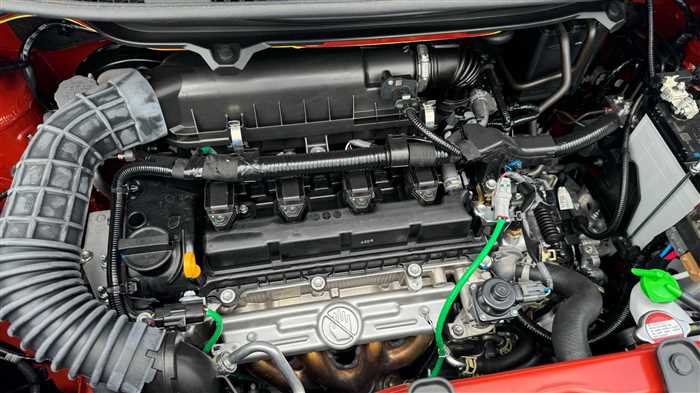
The engine is the heart of any vehicle. Understanding its specifications helps buyers assess power, efficiency, and performance. Key engine specifications include:
Engine Type: Can be internal combustion (gasoline or diesel), hybrid, or electric.
Horsepower: Measures the power output. More horsepower typically means better performance.
Torque: Indicates the pulling power of the engine. Important for acceleration and towing capacity.
Displacement: Refers to the total volume of all the cylinders in the engine, usually measured in liters or cubic centimeters (cc).
Fuel Efficiency: Measured in miles per gallon (MPG) or liters per 100 kilometers (L/100km), it indicates how efficiently the vehicle uses fuel.
2. Dimensions and Weight
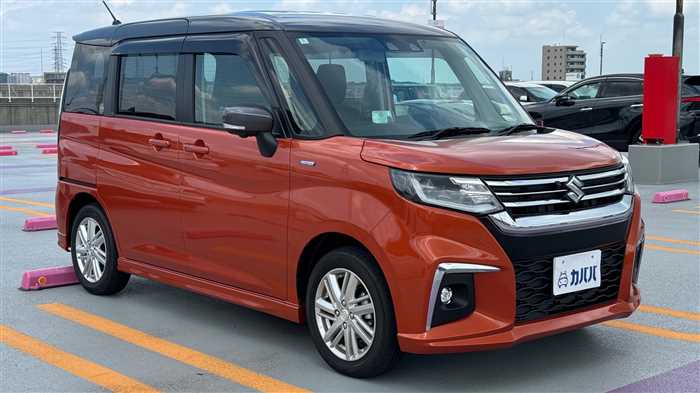
The physical dimensions and weight of a vehicle affect its handling, stability, and interior space. Important specifications include:
Length, Width, and Height: These measurements dictate the vehicle’s size andportability.
Wheelbase: The distance between the front and rear axles affects ride quality and stability.
Curb Weight: The weight of the vehicle without passengers or cargo. Heavier vehicles may feel more stable but can be less fuel-efficient.
Payload Capacity: Indicates how much weight the vehicle can carry, crucial for trucks and SUVs.
3. Transmission and Drivetrain
The transmission and drivetrain transfer power from the engine to the wheels. Options vary between vehicles, and specifications can impact performance:
Transmission Type: Can be automatic, manual, continuously variable (CVT), or dual-clutch.
Number of Gears: More gears can lead to better fuel efficiency and smoother acceleration.
Drivetrain Configuration: Front-wheel drive (FWD), rear-wheel drive (RWD), all-wheel drive (AWD), or four-wheel drive (4WD) affect handling and traction.
4. Safety Features
Modern vehicles come with various safety features that contribute to driver and passenger safety. Key specifications include:
Airbags: Information on the number and placement of airbags (front, side, curtain) is essential.
Anti-lock Braking System (ABS): Helps prevent wheel locking during braking, enhancing control.
Electronic Stability Control (ESC): Helps prevent skidding and maintains traction.
Advanced Driver Assistance Systems (ADAS): Features such as lane-keeping assist, adaptive cruise control, and collision warning.
5. Interior and Comfort Features
The interior specifications contribute significantly to the comfort and usability of a vehicle:
Seating Capacity: Indicates how many passengers can be comfortably accommodated.
Interior Space: Refers to legroom, headroom, and cargo space available for passengers and luggage.
Infotainment System: Includes specifications for sound systems, touchscreen displays, and connectivity options (Bluetooth, USB, etc.).
Final thoughts
Understanding vehicle specifications is essential for anyone looking to purchase a vehicle. These specifications illuminate various aspects of the car, from engine performance to safety features and interior comfort. By considering vehicle specifications, buyers can make informed decisions that suit their preferences, needs, and lifestyle. Whether you’re an avid road-tripper, a city commuter, or someone in need of reliable transportation, knowing what to look for in vehicle specifications will go a long way in ensuring you make the right choice.
FAQs
1. What is the most important vehicle specification to consider?
While it varies by individual preference, engine specifications and safety features are often considered the most critical when purchasing a vehicle.
2. Do vehicle specifications affect insurance rates?
Yes, specifications such as safety features, vehicle type, and engine performance can impact your insurance rates.
3. Are electric vehicles different in specifications than traditional vehicles?
Yes, electric vehicles have different specifications, particularly concerning battery capacity, range, and charging capabilities.
4. How do I find vehicle specifications for a specific model?
You can find vehicle specifications on the manufacturer’s website, in the owner’s manual, or through automotive review sites and databases.
5. Can vehicle specifications change over time?
Yes, manufacturers may update specifications in newer models or through recalls, so it’s essential to check for the most current information.
Long journeys, whether by car, train, or airplane, can be exhausting if not done correctly. One of the most overlooked aspects of travel comfort is the seating. The importance of...
In an ever-evolving world where space and utility are paramount, flexible seating arrangements have emerged as a popular solution for various environments, from classrooms to public transport and, notably, transport...
When embarking on the journey of acquiring a new asset, whether it’s a home, vehicle, or business, the initial purchase costs play a vital role in the overall financial layout....
As an experienced car inspector in Uganda, I understand the diverse needs of vehicle buyers in our unique environment. For city commuters in Kampala, the question of fuel efficiency is...
Family owned dealership of new and pre-owned vehicles with several locations across the Uganda. Lowest prices and the best customer service guaranteed.
You're almost there, select at least one more to compare!
We use cookies to ensure that we give you the best experience on our website. If you continue to use this site we will assume that you are happy with it.
You can revoke your consent any time using the Revoke consent button.