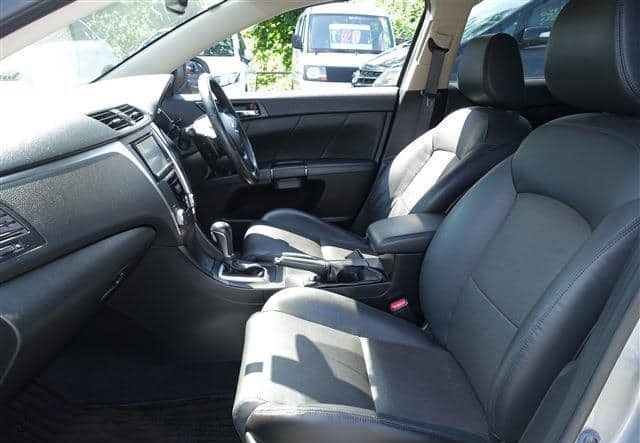
The 2011 SUZUKI KIZASHI 2.4 is a compact sedan that offers solid performance, good handling, and reliability. One aspect of its performance to monitor is the cold idle, particularly when starting the engine in colder temperatures. Proper assessment of the cold idle can help in detecting potential issues early on. In this article, we will delve into the key points to consider when starting the Kizashi 2.4 and checking the cold idle.
1. Initial Startup Observations
When starting your Kizashi, pay attention to the following:
Sound of the Engine: Listen for any unusual sounds such as knocking or whining that could indicate underlying issues.
Fuel Pump Activation: Make sure to hear the fuel pump prime. A buzzing sound for a couple of seconds after turning the key is normal.
Indicator Lights: Ensure that all dashboard indicator lights function correctly upon startup. Pay attention to the check engine light.
2. Cold Idle RPMs
Once the engine has started, observe the RPMs. The ideal cold idle RPMs for a 2011 SUZUKI Kizashi 2.4 should typically be between 1,000 to 1,500 RPM. Here are key points to consider:
Stable Idle: The RPM should not fluctuate significantly. If the RPMs rise and fall irregularly, it could indicate an issue with the idle air control valve or other components.
Duration of High RPM: High RPM during the first few minutes of cold weather is expected as the engine warms up, but it should drop to the normal operating range once the engine reaches an appropriate temperature.
3. Visual Inspection
While assessing the cold idle, perform a quick visual inspection:
Engine Compartment: Check for any visible leaks, loose connections, or damaged wiring.
Belts and Hoses: Make sure belts are not frayed, and hoses are not cracked or leaking.
Coolant Level: Ensure the coolant level is adequate, as this affects engine temperature regulation.
4. Checking for Error Codes
Modern vehicles, including the Kizashi, are equipped with onboard diagnostic systems that can help you assess engine performance:
OBD-II Scanner: Use an OBD-II scanner to check for any error codes that might indicate misfires or issues with the fuel and air intake systems.
Resetting Codes: If you find error codes, make sure to address the underlying issues and reset the codes for further monitoring.
5. Testing the Throttle Response
After assessing the cold idle, it’s essential to evaluate how the throttle responds when pressed. Here’s what to look for:
Throttle Responsiveness: When you press the accelerator pedal, the RPM should rise smoothly without hesitation.
Backlash or Delay: Any delay or backlash could indicate problems with the throttle body or related sensors.
6. Observing Emissions
Exhaust Fumes: When assessing the cold idle, observe the exhaust output. Excessive smoke or an unusual color can indicate potential problems:
Blue Smoke: This typically indicates oil burning and may point to issues in the engine.
Black Smoke: This could suggest that the engine is running too rich, often due to fuel injector issues.
White Smoke: May indicate coolant entering the combustion chamber, hinting at a head gasket issue.
Final thoughts
The 2011 Suzuki Kizashi 2.4 provides a solid driving experience, but paying attention to the cold idle can prevent future engine problems. By following these assessment steps, you can ensure your vehicle is running optimally. Regular maintenance and early detection of issues will not only prolong the life of your car but also enhance your driving experience. If you notice any irregularities, consider consulting a professional mechanic for a more in-depth analysis.
FAQs
Q1: What should I do if my Kizashi’s cold idle RPMs are constantly too high?
A1: If the RPMs are consistently above the normal range during cold start, it could indicate a malfunctioning idle air control valve, vacuum leaks, or other sensor issues. A diagnostic check can help pinpoint the issue.
Q2: How can I improve my Kizashi’s cold start performance?
A2: Regular maintenance, including changing the air and fuel filters, using high-quality fuel, and ensuring your battery is in good condition, can improve cold start performance.
Q3: What are common signs of a failing idle air control valve?
A3: Common symptoms include erratic idle speeds, stalling, and difficulty starting the engine. If you experience these, consider having the valve checked or replaced.
Q4: Is regular cold idle assessment really necessary?
A4: Yes, regular assessments can help catch minor issues before they become major problems, saving you time and money in the long run.
As a seasoned car inspector based in Uganda, I understand the unique demands drivers face when selecting a vehicle for various environments. The Suzuki Kizashi 2, 2014, may seem appealing,...
The 2010 SUZUKI KIZASHI is an underrated gem in the compact sedan segment, often overshadowed by more established competitors. However, it is increasingly gaining recognition for its dynamic performance, excellent...
Family owned dealership of new and pre-owned vehicles with several locations across the Uganda. Lowest prices and the best customer service guaranteed.
You're almost there, select at least one more to compare!
We use cookies to ensure that we give you the best experience on our website. If you continue to use this site we will assume that you are happy with it.
You can revoke your consent any time using the Revoke consent button.