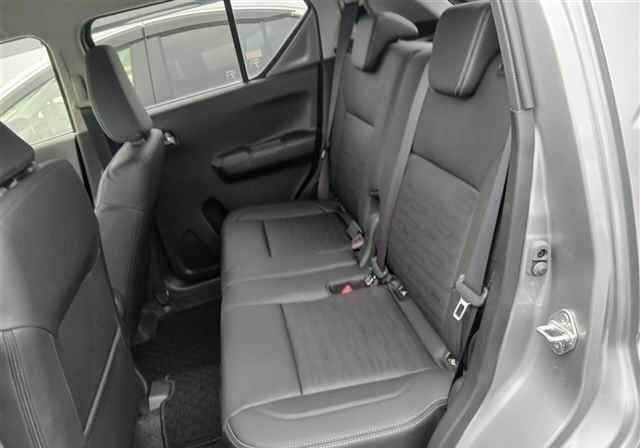
The 2017 SUZUKI IGNIS FLTD is a compact SUV known for its versatility and fuel efficiency. To ensure optimal performance and safety, regular maintenance is crucial. This article provides guidelines on when to replace belts, filters, and brake parts for your SUZUKI Ignis, helping you to keep your vehicle in top condition.
1. Importance of Regular Maintenance
Regular maintenance on your Suzuki Ignis FLTD not only prolongs the life of the vehicle but also enhances its performance and safety. Neglecting maintenance can lead to serious mechanical issues, increased fuel consumption, and potentially dangerous driving conditions.
2. Overview of Components
Various components of your vehicle require regular checks and replacements. This includes belts, filters, and brakes. Each plays a critical role in the vehicle’s performance and safety.
2.1 Belts
The belts in your Suzuki Ignis are responsible for powering various components of the engine, including the alternator, water pump, and air conditioning compressor. Regular inspection and replacement are crucial to prevent engine failure.
When to Replace Belts
Timing Belt: Replace every 60,000 to 100,000 miles. Check for cracks, fraying, or glazing during inspections.
Drive Belts: Check at 30,000 miles and replace as needed, typically every 50,000 to 70,000 miles.
2.2 Filters
Filters play essential roles, filtering out impurities from various fluids in the vehicle, from engine oil to air and fuel.
When to Replace Filters
Engine Oil Filter: Replace every 5,000 to 7,500 miles, or during every oil change.
Air Filter: Inspect every 15,000 miles and replace every 30,000 miles under normal driving conditions.
Fuel Filter: Replace every 20,000 to 40,000 miles, depending on fuel quality and driving conditions.
2.3 Brake Parts
The braking system is critical for safety; therefore, regular checks and maintenance are a must. In addition to ensuring optimal stopping power, maintaining brake components can also prevent costly repairs due to neglect.
When to Replace Brake Parts
Brake Pads: Inspect every 12,000 miles and replace when worn down to 3mm in thickness.
Brake Rotors: Check during brake pad replacement. Typically replaced every 50,000 miles or if warped.
Brake Fluid: Replace every 2 years or as recommended by service manual.
3. Creating a Maintenance Schedule
To keep your 2017 Suzuki Ignis FLTD in optimal condition, create a maintenance schedule that aligns with the above guidelines. Consider tracking your mileage and making appointments for service well in advance of the scheduled maintenance items.
4. Final thoughts
To sum up, regular maintenance is essential for ensuring the performance and safety of your 2017 Suzuki Ignis FLTD. By adhering to the recommended replacement intervals for belts, filters, and brake parts, you will not only extend the life of your vehicle but also ensure a safe driving experience. Always refer to the owner’s manual for specific instructions and consider consulting with a professional mechanic for tailored advice.
5. FAQs
5.1 How often should I change the oil in my Suzuki Ignis?
It is generally recommended to change the oil every 5,000 to 7,500 miles, depending on your driving conditions and the type of oil used.
5.2 Do I need to replace the air filter more often if I drive in dusty environments?
Yes, if you frequently drive in dusty or polluted environments, it’s advisable to inspect and replace the air filter more often than the standard recommendation of every 30,000 miles.
5.3 Can I perform maintenance tasks myself?
Many routine maintenance tasks like changing oil, replacing filters, and checking tire pressure can be done at home with the right tools and knowledge. However, more complex tasks should be left to professionals.
5.4 What symptoms indicate that my brakes need immediate attention?
If you hear screeching or grinding noises, experience vibrations when braking, or notice a decrease in responsiveness, you should have your brakes inspected immediately.
5.5 How do I know if my car battery needs replacement?
If your vehicle experiences slow starts, dim lights, or dashboard warning lights, it may be time to check the battery. Most batteries should be replaced every 3-5 years.
Vehicles, much like any other complex machine, require regular maintenance to operate efficiently. Among the various components that dictate a vehicle’s performance, the timing belt is crucial. Typically, the recommendation...
Introduction The automotive industry has seen significant advancements in engine technology, particularly in the realm of fuel efficiency and performance. One such innovation is the 1.2L Dualjet petrol engine, designed...
The Suzuki Ignis MF 2024 has garnered attention for its compact design and potential fuel efficiency, particularly suited for urban driving in Uganda’s bustling cities. With rising fuel costs and...
A timing belt is a crucial component in an internal combustion engine. Its primary function is to synchronize the engine’s camshaft and crankshaft rotations, ensuring that the engine’s valves open...
Family owned dealership of new and pre-owned vehicles with several locations across the Uganda. Lowest prices and the best customer service guaranteed.
You're almost there, select at least one more to compare!
We use cookies to ensure that we give you the best experience on our website. If you continue to use this site we will assume that you are happy with it.
You can revoke your consent any time using the Revoke consent button.