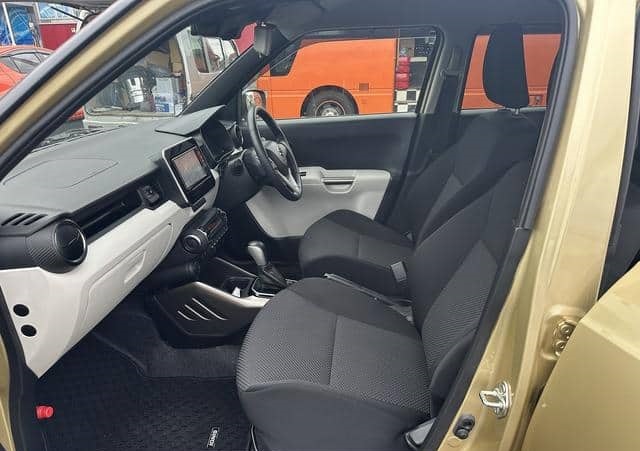
Understanding the various types of engines available in the automotive industry, their advantages, and disadvantages, is crucial for making informed decisions when purchasing a vehicle.
1. Introduction to Engine Options
When it comes to vehicles, the engine is often considered the heart. Choosing the right engine option can significantly affect performance, fuel efficiency, and driving experience. With advancements in technology, consumers now have a variety of engine choices available from gasoline engines to hybrids and electric alternatives.
2. Types of Engine Options
2.1 Gasoline Engines
One of the most common types of engines, gasoline engines operate by igniting a mixture of air and fuel. These engines come in various configurations such as inline, V, and flat. They are known for their smoothness and responsiveness and typically offer higher horsepower compared to diesel engines.
2.2 Diesel Engines
Diesel engines are distinct from gasoline engines in that they use compression to ignite the fuel rather than spark plugs. They are generally more fuel-efficient and have higher torque, making them ideal for heavy-duty vehicles like trucks. However, they may produce higher emissions and have traditionally been viewed as more challenging to maintain.
2.3 Hybrid Engines
Combining a gasoline engine with an electric motor, hybrid engines aim to offer the best of both worlds—fuel efficiency and performance. These engines can run on gasoline alone, electricity alone, or a combination of both. They are increasingly popular due to their decreased environmental impact and improved fuel economy.
2.4 Electric Engines
Electric engines have gained traction in recent years as the automotive industry shifts towards sustainability. Powered solely by batteries, electric engines produce zero emissions and are often quieter and smoother than traditional engines. However, they do require charging infrastructure, and range anxiety remains a concern for many prospective buyers.
2.5 Hydrogen Fuel Cells
Hydrogen fuel cells generate electricity through a chemical reaction between hydrogen and oxygen, emitting only water vapor as a byproduct. This technology represents a promising alternative for eco-conscious consumers, albeit currently limited by a lack of refueling stations and higher costs associated with hydrogen production and storage.
3. Factors to Consider When Choosing an Engine Option
Several factors can influence your decision on the best engine option for your needs:
3.1 Fuel Efficiency
Your choice of engine can significantly impact fuel consumption. Engine type, size, and technology all play a role in how efficiently your vehicle operates.
3.2 Performance
If you prioritize acceleration and handling, gasoline and turbocharged engines may be more appealing. Diezel engines, however, offer better torque for heavy loads, while hybrids and electrics may compromise speed for efficiency.
3.3 Environmental Impact
With increasing awareness of climate change, many consumers are considering the environmental impact of their vehicles. Electric and hybrid engines usually offer the most significant benefits in this regard.
3.4 Maintenance and Durability
Some engine types may necessitate more frequent or specialized maintenance. Diesel engines, for example, can require complex upkeep, while electric engines have fewer moving parts and may entail lower maintenance costs.
3.5 Cost
Ultimately, budget plays a crucial role. Initially, electric and hybrid vehicles may carry a higher sticker price, but lower fuel and maintenance costs can lead to long-term savings.
4. Final thoughts
Choosing the right engine option is paramount for matching your driving needs with your lifestyle and budget. Whether you opt for a traditional gasoline engine, a fuel-efficient hybrid, or venture into the realm of electric or hydrogen technology, understanding your priorities and how each engine type aligns with them will help you make a more informed decision. Remember that the automotive industry is rapidly evolving, and as technological innovations continue to emerge, so do your options for greener and more efficient engines.
5. FAQs
5.1 What are the main advantages of electric engines over gasoline engines?
Electric engines produce zero tailpipe emissions, offer lower operating costs, and have fewer moving parts, leading to lower maintenance needs. They may also provide instant torque for improved acceleration.
5.2 Are diesel engines more fuel efficient than gasoline engines?
Yes, typically diesel engines offer better fuel efficiency and higher torque than gasoline engines, particularly for heavy loads or towing; however, the cost of diesel fuel and emissions may be a concern.
5.3 What is a hybrid engine, and how does it work?
A hybrid engine combines a traditional internal combustion engine with an electric motor, which works together to provide better fuel efficiency and lower emissions. The system intelligently switches between power sources based on driving conditions.
5.4 Is it more expensive to maintain an electric vehicle compared to a gasoline vehicle?
Generally, electric vehicles tend to require less maintenance than gasoline vehicles due to fewer moving parts. However, battery replacement can be costly, and regular software updates may also be needed.
5.5 What’s the future of engine technology?
The future will likely see continued advancements in electric and hybrid technologies as focus shifts towards sustainable and eco-friendly transportation solutions, while hydrogen fuel cells may also gain prominence as infrastructure develops.
Vehicles, much like any other complex machine, require regular maintenance to operate efficiently. Among the various components that dictate a vehicle’s performance, the timing belt is crucial. Typically, the recommendation...
Introduction The automotive industry has seen significant advancements in engine technology, particularly in the realm of fuel efficiency and performance. One such innovation is the 1.2L Dualjet petrol engine, designed...
The Suzuki Ignis MF 2024 has garnered attention for its compact design and potential fuel efficiency, particularly suited for urban driving in Uganda’s bustling cities. With rising fuel costs and...
A timing belt is a crucial component in an internal combustion engine. Its primary function is to synchronize the engine’s camshaft and crankshaft rotations, ensuring that the engine’s valves open...
Family owned dealership of new and pre-owned vehicles with several locations across the Uganda. Lowest prices and the best customer service guaranteed.
You're almost there, select at least one more to compare!
We use cookies to ensure that we give you the best experience on our website. If you continue to use this site we will assume that you are happy with it.
You can revoke your consent any time using the Revoke consent button.