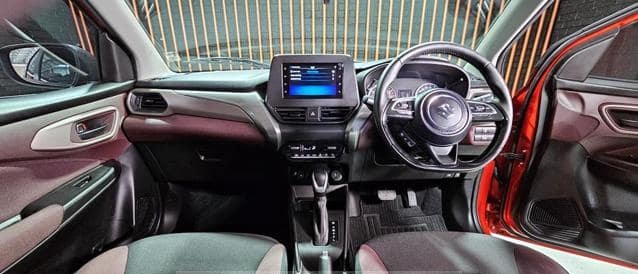
As car owners, we often become emotionally attached to our vehicles. Regular inspections and maintenance are essential to keep your car pristine. A crucial part of this process involves checking for visual imperfections such as dents, scratches, and rust. These issues not only affect the aesthetic appeal of your vehicle but can also lead to more significant problems if not addressed promptly.
Why Inspect for Dents, Scratches, and Rust?
Looking for physical damage on your vehicle is vital for several reasons:
Aesthetic Appeal: Dents and scratches can make even a brand-new car look old and worn. Addressing these issues helps maintain your car’s visual appeal.
Preventing Further Damage: Small scratches can turn into bigger problems if rust sets in. Early detection allows for more straightforward and cost-effective repairs.
Preserving Value: If you plan to sell or trade your vehicle in the future, making sure it has minimal cosmetic issues can significantly enhance its resale value.
Safety Concerns: Certain dents or damages may affect the functionality of parts (like bumpers or mirrors) that are essential for safe driving.
How to Check for Dents
Checking for dents is relatively straightforward. Follow these steps to conduct a thorough inspection:
Examine the Entire Vehicle: Walk around your vehicle and take note of any visible dents. Use natural lighting to better spot imperfections.
Run Your Hand Over the Surface: Gently pass your hand along the car’s body. You can often feel bumps or depressions that are harder to see.
Use a Flashlight: Stand out a flashlight parallel to the surface of the car; this can highlight subtle dents and imperfections.
Identifying Scratches
Scratches can vary in depth. Here’s how to assess their severity:
Surface Scratches: These scratches are mainly superficial and generally affect only the clear coat. They are typically less serious and can often be polished out.
Clear Coat Scratches: If the scratch has cut through the clear coat but doesn’t reach the color layer, these can sometimes be repaired with polishing compounds.
Paint Scratches: If a scratch has penetrated through the paint to the metal, rust can quickly develop. This is the most serious type and requires immediate attention.
Searching for Rust
Rust typically occurs in areas with moisture retention or damage to protective coatings. Here’s how to find it:
Check Common Areas: Focus on wheel wells, undercarriage, and areas around doors and windows where moisture may accumulate.
Inspect for Paint Blistering: Blisters can indicate rust forming underneath the surface. If you notice any, investigate further.
Use Your Hands: Feel for rough textures or flaky paint, which can signal underlying rust.
Final thoughts
Regularly inspecting your vehicle for dents, scratches, and rust is essential to maintaining its condition and safety. Small blemishes can escalate into significant problems if ignored, leading to costly repairs. By conducting thorough checks and addressing any issues promptly, you can preserve the beauty and value of your vehicle. When in doubt, consulting a professional can provide additional peace of mind and expert advice on necessary repairs.
Frequently Asked Questions (FAQs)
1. How often should I check my car for dents, scratches, and rust?
It’s good practice to perform a visual inspection at least once a month or after any significant weather events or driving in rough conditions.
2. Can I fix small scratches myself?
Yes, many minor scratches can be repaired with DIY kits available at auto parts stores. However, deeper scratches may require professional touch-up or repainting.
3. What should I do if I find rust on my vehicle?
If you notice rust, it’s crucial to act fast. Clean the affected area, apply a rust inhibitor, and consider seeking professional help if the rust is extensive.
4. How do I prevent rust from forming?
Regular washing, keeping your car dry, and applying wax or sealants can significantly reduce the chances of rust formation on your vehicle.
5. Is it worth getting professional help for minor dents and scratches?
For very minor imperfections, DIY solutions might work well. However, for extensive damage or higher-quality repairs, it’s often worth the investment to hire professionals to preserve the vehicle’s value.
The SUZUKI FRONX 5 2024 stands out in Uganda’s automotive landscape, combining modern design and performance with a focus on fuel efficiency. As Uganda continues to enhance its transportation framework,...
Introduction The SUZUKI FRONX 5 is a compact SUV that has gained popularity for its reliability, design, and functionality. When looking to purchase a used SUZUKI Fronx 5, conducting a...
When considering the purchase of a used SUZUKI FRONX 5 (2024 model), it’s vital to conduct a thorough inspection to ensure you’re getting a vehicle that meets your needs and...
The Suzuki Fronx 2025 is generating significant interest in Uganda’s automotive market, particularly among urban drivers seeking a blend of style, performance, and practicality. As a compact SUV, the Fronx...
Family owned dealership of new and pre-owned vehicles with several locations across the Uganda. Lowest prices and the best customer service guaranteed.
You're almost there, select at least one more to compare!
We use cookies to ensure that we give you the best experience on our website. If you continue to use this site we will assume that you are happy with it.
You can revoke your consent any time using the Revoke consent button.