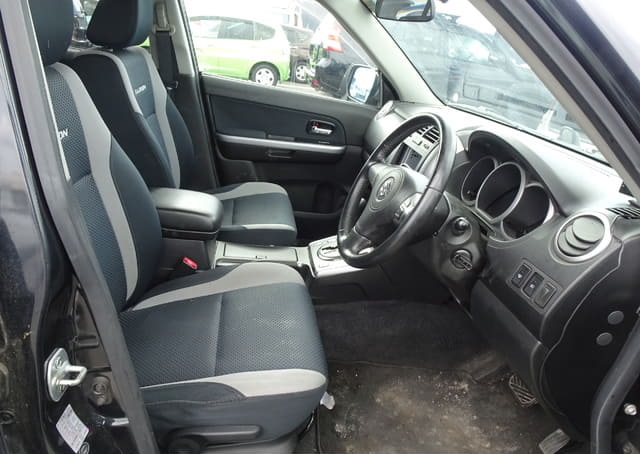
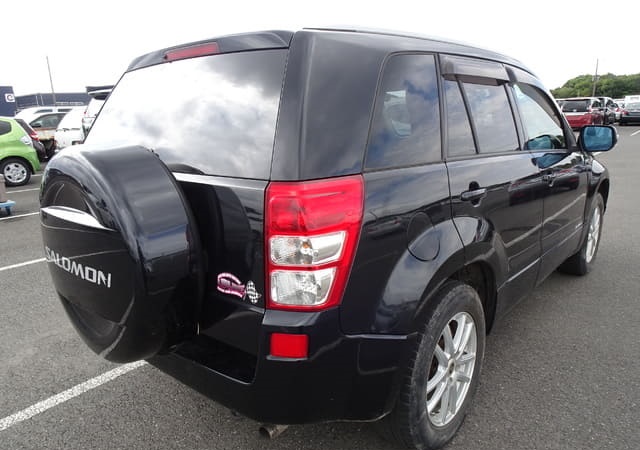
The 2009 SUZUKI ESCUDO 2.4 Salomon Limited is a popular compact SUV known for its reliability and off-road capability. Regular inspection of critical components such as the suspension, steering, and brakes is vital to ensure safe driving performance. This article provides a comprehensive guide to inspecting these systems, helping you maintain your vehicle in optimal condition.
1. Inspecting the Suspension System
The suspension system of your SUZUKI Escudo provides comfort and stability while driving. A thorough inspection can identify any worn or damaged components that may compromise performance. Follow these steps to inspect your suspension:
Step 1: Visual Inspection
Park the vehicle on a level surface and engage the handbrake.
Inspect the shocks and struts for any signs of leakage. Damaged shocks may appear wet or greasy.
Check the springs for any cracks or breaks that could reduce their efficacy.
Look for any visible wear on the bushings and control arms.
Step 2: Bounce Test
Push down hard on the front or rear of the vehicle and release.
Observe how many times the vehicle bounces. It should return to rest after one or two oscillations. Excessive bounciness indicates worn shocks or struts.
Step 3: Ride Height Check
Measure the distance from the ground to the wheel arch for all four wheels.
Compare the measurements; significant differences may suggest a suspension issue that requires further inspection or adjustment.
2. Inspecting the Steering System
The steering system is crucial for maintaining control of your vehicle. Regular inspection helps ensure responsive handling and prevents accidents.
Step 1: Check the Steering Fluid
Locate the power steering reservoir.
Ensure the fluid is at the recommended level and is free of debris or discoloration.
If the fluid is low, inspect for leaks in hoses, seals, or the steering rack.
Step 2: Inspect Steering Components
Check the steering linkage for signs of wear, such as play in the joints.
Inspect the tie rods for any bends or breaks and ensure they are securely connected.
Examine the steering column for any looseness or abnormal noises when turning.
Step 3: Test Drive
Take the vehicle for a short drive in a safe location.
Pay attention to any unusual noises, vibrations, or difficulties in steering. These may indicate underlying issues that require attention.
3. Inspecting the Brake System
The brake system is critical for your safety. A thorough inspection will ensure your brakes are functioning optimally.
Step 1: Visual Inspection of Brake Components
Check the brake pads for thickness. If they are less than a quarter inch thick, consider replacing them.
Inspect the rotors for any signs of wear, warping, or scoring.
Look for leaks in the brake fluid lines or at the calipers.
Step 2: Brake Fluid Check
Locate the brake fluid reservoir and check the fluid level. Low levels could indicate a leak or worn brake pads.
Inspect the fluid for contamination; it should be clear to light brown. Dark, murky fluid indicates it’s time for a change.
Step 3: Test the Brakes
During your test drive, assess brake responsiveness. Ensure the brake pedal feels firm and leverages adequate stopping power.
Listen for any unusual sounds like grinding or squeaking, which can indicate issues with the pads or rotors.
Final thoughts
Regular inspection of the suspension, steering, and brakes on your 2009 Suzuki Escudo 2.4 Salomon Limited is essential for ensuring a safe and smooth driving experience. By following the outlined steps, you can identify potential issues before they escalate into more significant problems. Always consult a professional mechanic if you are uncertain about any findings during your inspection.
FAQs
Q1: How often should I inspect my vehicle’s suspension, steering, and brakes?
A1: It’s advisable to inspect these systems at least every six months or before long trips. Additionally, check them if you notice unusual noises or changes in handling.
Q2: What are the signs that I need to replace my brake pads?
A2: Signs include a squealing noise when braking, a spongy brake pedal, or a vibration when you apply the brakes.
Q3: Can I perform these inspections myself?
A3: Yes, basic inspections can be done at home if you have the necessary tools and knowledge. For complex issues, or if you’re unsure, consult a professional mechanic.
Q4: What should I do if I find a problem during my inspection?
A4: If you identify any issues, it’s essential to get them addressed as soon as possible. Ignoring potential problems can lead to more severe damage or safety risks.
Introduction to Tires and Wheels When it comes to vehicular performance, safety, and overall driving experience, tires and wheels play crucial roles. They work together to provide traction, stability, and...
As an experienced car inspector in Uganda, I have seen a variety of vehicles navigate our unique road conditions, and the 2019 Suzuki Escudo is a model that often piques...
As an experienced car inspector in Uganda, I frequently encounter inquiries about vehicle efficiency, particularly regarding the SUZUKI ESCUDO CROSS ADVENTURE 2013. For city commuters, the emphasis often lies on...
Noises are an integral part of our daily lives, often going unnoticed until they become a nuisance. Understanding the types and sources of common noises can help us manage their...
Family owned dealership of new and pre-owned vehicles with several locations across the Uganda. Lowest prices and the best customer service guaranteed.
You're almost there, select at least one more to compare!
We use cookies to ensure that we give you the best experience on our website. If you continue to use this site we will assume that you are happy with it.
You can revoke your consent any time using the Revoke consent button.