Introduction
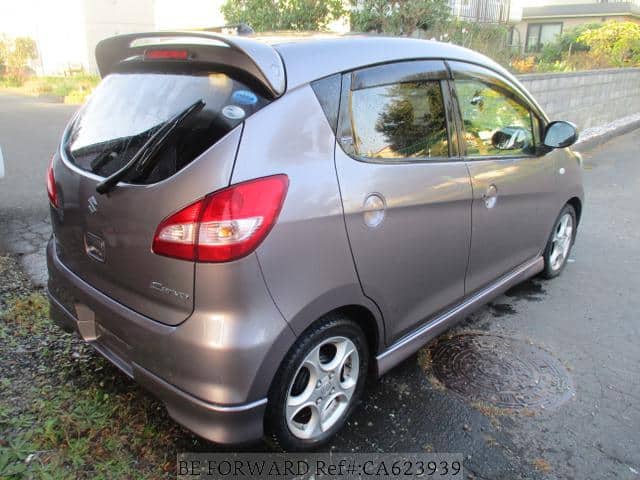
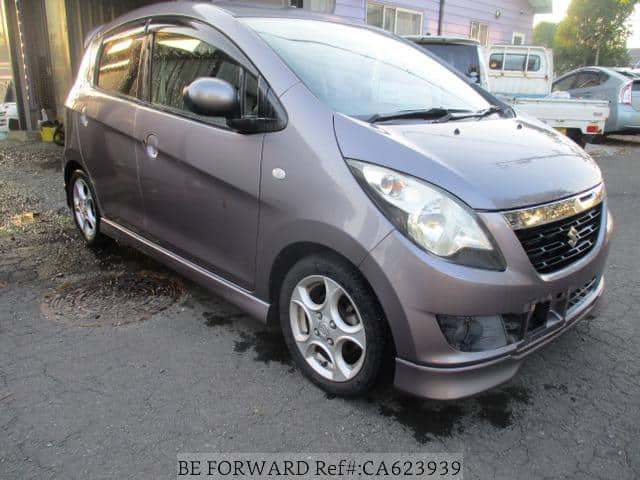
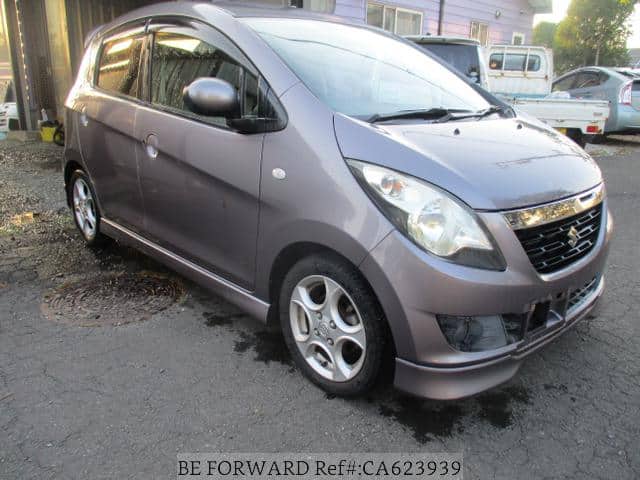
Purchasing a pre-owned vehicle like the 2006 SUZUKI CERVO TX4WD can be both exciting and daunting.
One of the crucial aspects to consider is the air conditioning system and electrical components, as they greatly affect comfort and functionality.
This article provides a thorough checklist for potential buyers to evaluate these systems before making a purchase.
1. Air Conditioning System Checks
The air conditioning system is vital for comfortable driving, especially in warm climates.
Here are the essential checks you should perform.
- Functionality Test: Start the engine and turn on the air conditioning. Listen for any unusual noises and feel for consistent airflow from the vents.
- Temperature Check: Set the A/C to the coldest setting and wait for a few minutes. Measure the temperature coming from the vents; it should be notably cooler than the ambient temperature.
- Refrigerant Level: Inspect the refrigerant lines and look for any signs of leaks. If the system is low, it may require recharging, indicating possible leaks.
- A/C Compressor: Examine the A/C compressor for any signs of wear or damage. The compressor should engage smoothly without excessive noise.
- Cabin Air Filter: Check if the cabin air filter is clean or needs replacing. A clogged filter can impede airflow.
- Climatronic Controls: Ensure all controls (temperature, fan speed, and mode selection) function correctly. Any malfunction can affect comfort and safety.
2. Electrical System Checks
An efficient electrical system is crucial for the overall performance of the vehicle. The following checklist will help you assess the electrical components effectively.
- Battery Condition: Inspect the battery for corrosion, check the terminals, and test its voltage. A failing battery can lead to starting issues and electrical malfunctions.
- Wiring Inspection: Examine the wiring for any insulation wear, exposed wires, or possible shorts. Damaged wiring can lead to serious electrical problems.
- Fuses and Relays: Check the fuses related to the A/C system and other electrical components. A blown fuse can signify an underlying issue that needs to be addressed.
- Headlights and Indicators: Ensure all lights function, including headlights, tail lights, and turn signals. Poor lighting can be dangerous and is often overlooked.
- Power Windows and Locks: Test all power windows and central locking mechanisms for proper functioning. These features enhance convenience and safety.
- Dashboard Indicators: Ensure that all dashboard warning lights function correctly. Pay special attention to any warning lights that remain illuminated after starting the vehicle.
Final thoughts
Evaluating the air conditioning system and electrical components of the 2006 SUZUKI Cervo TX4WD is essential for ensuring a reliable and comfortable driving experience.
By following this checklist, potential buyers can make informed decisions and mitigate the risk of encountering expensive repairs later on.
Whether you are purchasing from a dealer or a private seller, taking the time to perform these checks is worth the investment in your future comfort and safety on the road.
FAQs
- Q: What should I do if the A/C doesn’t blow cold air?
- A: Check the refrigerant level and inspect for leaks. If everything seems fine, the problem could be with the compressor or the electrical system.
- Q: How often should I service the air conditioning system?
- A: It is advisable to service your A/C system every 1-2 years, or whenever you notice a drop in performance.
- Q: Are electrical problems common in older vehicles?
- A: Yes, as vehicles age, wiring can deteriorate, and components may fail. Regular inspections can help identify issues early.
- Q: What tools do I need to perform these checks?
- A: Basic tools like a multimeter, a flashlight, and possibly some specialized automotive tools may be required for a thorough inspection.
- Q: Should I hire a professional mechanic for these evaluations?
- A: If you’re unsure about your ability to evaluate these systems, hiring a professional can save you time and money in the long run.