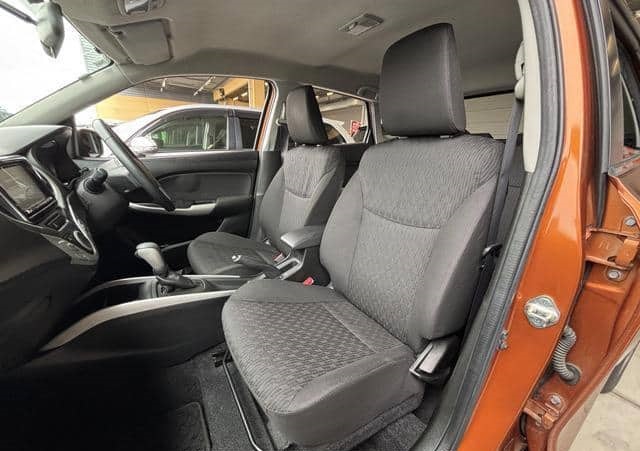
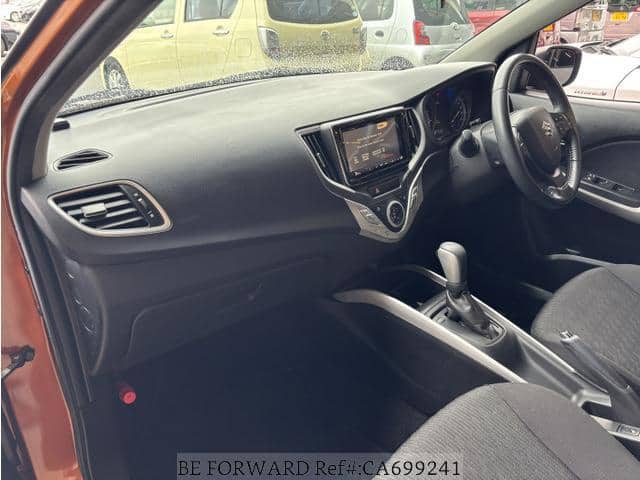
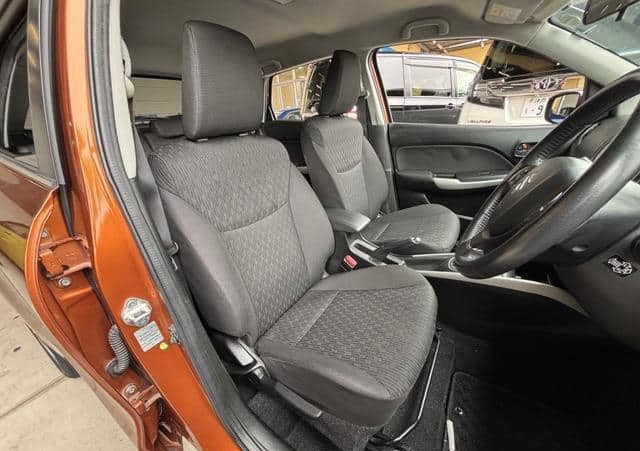
The 2017 SUZUKI BALENO is a compact hatchback that strikes a balance between functionality and style. With its impressive fuel efficiency and comfortable ride, it’s suitable for various driving conditions, whether you’re navigating the busy city streets or heading out on a long highway journey. To make the most of this versatile vehicle, there are several key steps you can take to optimize its performance. In this article, we will explore some recommendations related to setup, features, and driving habits.
1. Vehicle Setup
Tire Pressure
One of the simplest yet most effective ways to enhance the performance of your Baleno is to maintain the correct tire pressure. Under-inflated tires can lead to increased fuel consumption and reduced handling. For city driving, a slightly lower tire pressure can improve comfort, while a higher pressure might be beneficial for highway driving to enhance fuel efficiency. Regularly check the tire pressure and adjust it according to the manufacturer’s specifications.
Suspension Settings
The suspension of the Baleno is designed for comfort, but if you regularly drive on highways, consider slightly stiffening the suspension settings. This adjustment can help with stability at higher speeds and sticky cornering. On the other hand, for city driving, a softer setting can mitigate the effects of potholes and uneven surfaces. Consult your user manual or a professional mechanic for assistance with suspension tuning.
2. Features and Technologies
Infotainment and Guidance
The Baleno comes equipped with a variety of infotainment features that can enhance both city and highway driving experiences. Use navigation apps to avoid congested city routes and find the quickest highway paths. Make sure your infotainment system is updated for the latest map and feature enhancements, which can facilitate smoother driving.
Eco Mode
Utilizing the Eco mode feature can improve your fuel efficiency while driving in the city. This mode typically adjusts the throttle response and air conditioning settings to prioritize fuel saving. However, for highway driving, switching back to normal mode can offer a more responsive driving experience, allowing for quicker overtaking and better acceleration when needed.
3. Driving Habits
Acceleration and Braking
How you accelerate and brake can significantly affect your fuel consumption. In city driving, practice smooth and gradual acceleration to avoid frequent stops and starts, which can drain fuel. When approaching traffic lights or stops, begin braking early to allow for a smooth deceleration. On the highway, accelerate steadily and maintain a consistent speed, utilizing cruise control when appropriate to save fuel.
Use of Air Conditioning
Be mindful of when you use the air conditioning system, as it can put extra strain on the engine, especially in city driving. On hot days, open the windows initially to cool down the car before turning on the AC; this can help you save fuel. While on the highway, using the AC is generally more efficient than keeping the windows down, as the latter can cause drag.
4. Regular Maintenance
Scheduled Servicing
Adhering to the scheduled maintenance is crucial for keeping your Baleno in optimal condition. Regular oil changes, brake checks, and engine diagnostics will ensure your vehicle operates efficiently, regardless of driving conditions. Check with your local SUZUKI dealership for an appropriate maintenance schedule tailored to your driving habits.
Fluid Checks
Ensure that all essential fluids—engine oil, coolant, brake fluid, and transmission fluid—are maintained at optimal levels. Fluid levels can significantly impact your vehicle’s performance and reliability, especially during long highway trips where overheating or mechanical failure can be a concern.
Final thoughts
Optimizing your 2017 Suzuki Baleno for both city driving and highway runs involves a combination of vehicle setup, utilizing its features effectively, and adopting good driving habits. By following these recommendations, you can enjoy a more comfortable ride while maximizing fuel efficiency and vehicle longevity. Whether you’re tackling city streets or cruising down the highway, these tips will help you make the most of your driving experience.
FAQs
1. What is the best tire pressure for the 2017 Suzuki Baleno?
Refer to the owner’s manual or the sticker on the driver’s side door for the manufacturer’s recommended tire pressure, which is usually around 32-35 PSI for normal driving conditions.
2. Is Eco mode beneficial for highway driving?
Eco mode is primarily designed for city driving to improve fuel efficiency. For highway driving, it’s often better to switch back to normal mode for better performance.
3. How often should I service my Baleno?
Scheduled servicing for the Baleno should typically occur every 12,000 kilometers or annually, whichever comes first. Always consult your owner’s manual for specifics.
4. Does using air conditioning affect fuel economy?
Yes, using air conditioning can reduce fuel economy, particularly in stop-and-go traffic. Strategic use—like opening windows initially—can help mitigate this effect.
Choosing the right tires for your vehicle can be a daunting task, especially when considering the varied weather conditions and driving terrains that many drivers encounter today. For those...
Introduction When it comes to purchasing a vehicle, one of the most crucial aspects to consider is the price range. Each model typically comes in several trims, featuring varying levels...
If you reside in a region that experiences varying weather conditions, investing in a high-quality set of all-season tyres is a practical choice. With their versatility and convenience, all-season tyres...
Choosing the right tires for your vehicle is crucial for safety, performance, and efficiency. With a vast array of options available in the market, the task can be daunting for...
Family owned dealership of new and pre-owned vehicles with several locations across the Uganda. Lowest prices and the best customer service guaranteed.
You're almost there, select at least one more to compare!
We use cookies to ensure that we give you the best experience on our website. If you continue to use this site we will assume that you are happy with it.
You can revoke your consent any time using the Revoke consent button.