The Vehicle Identification Number (VIN) is a crucial aspect of vehicle ownership and identification. Often referred to as the “fingerprint” of a vehicle, every VIN is unique to the car it identifies. This article will guide you on where to locate your VIN, typically found on the dashboard near the windshield and inside the driver’s door, and will provide additional insights into its significance.
What is a VIN?
The VIN is a 17-character string of numbers and letters that serves multiple important purposes:
Identification: Distinguishes your car from all others.
Registration: Used for legal and insurance documentation.
Vehicle History: Helps potential buyers check for history reports, including accidents and title discrepancies.
Where to Find Your VIN
Locating your VIN is straightforward, as it is typically displayed in several easily accessible locations on your vehicle. Below are the two most common areas:
1. On the Dashboard
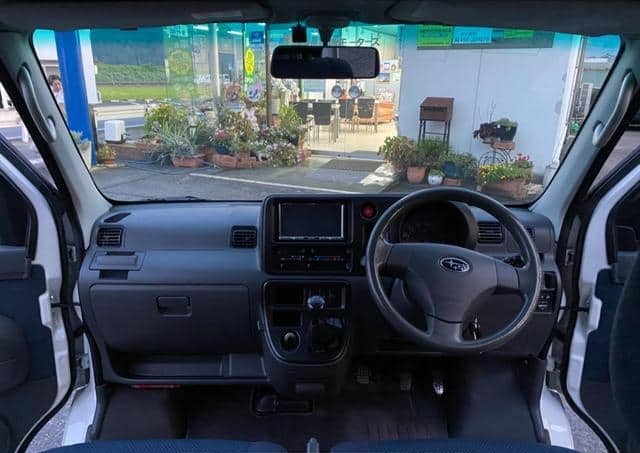
The most common location for the VIN is on the dashboard, specifically on the driver’s side. When you sit in the driver’s seat, look towards the windshield where the dashboard meets the glass. The VIN is usually printed on a metal plate or sticker and is visible from outside the car.
For optimal visibility, especially when the vehicle is parked, you may need to lean over slightly or look through the windshield at an angle. The characters are often engraved and can be challenging to read under certain lighting conditions, so it’s advisable to use a flashlight if necessary.
2. Inside the Driver’s Door
The second most common area for the VIN is inside the driver’s side door frame. To find it, open the driver’s door and look at the door latch area or the door itself. The VIN is usually printed on a sticker or label that includes other important information, such as the vehicle’s weight and tire pressure recommendations.
In many vehicles, you might find a compliance label that prominently displays the VIN along with other regulations pertinent to the car’s manufacturing. This area is easier to access and might be a good go-to option if the dashboard VIN is difficult to read.
Why is the VIN Important?
The VIN serves many essential functions in the lifecycle of a vehicle:
Ownership Records: It’s used to keep track of ownership, ensuring that the vehicle’s history can be traced back through its previous owners.
Insurance: Insurance companies often require the VIN for processing claims and underwriting policies.
Recall Information: Manufacturers use VINs to notify owners about recalls related to their specific vehicle.
Resale: When reselling a car, the VIN serves as a reference for potential buyers checking the vehicle’s history.
Final thoughts
Locating your Vehicle Identification Number (VIN) is a straightforward process that can greatly benefit you throughout the life of your vehicle. By knowing where to find the VIN—on the dashboard near the windshield and inside the driver’s door—you ensure that you have essential information ready for registration, insurance, and resale purposes. Additionally, understanding the importance of the VIN helps you appreciate its role in maintaining accurate vehicle records and ensuring a safe and legal ownership experience.
FAQs
1. What if my VIN is missing or damaged?
If your VIN is missing or unreadable, you may need to contact your local Department of Motor Vehicles (DMV) for assistance. They can guide you on how to get a replacement VIN plate or label.
2. Can I use the VIN to find out my vehicle’s history?
Yes, you can use the VIN to request a vehicle history report from services like Carfax or AutoCheck. These reports provide valuable information about past accidents, title status, and maintenance records.
3. Are VINs case-sensitive?
No, VINs are not case-sensitive. However, they must be entered accurately to ensure proper identification of the vehicle.
4. Can VINs get duplicated?
No, VINs should never be duplicated. A VIN is unique to each vehicle, and any duplication is likely indicative of a fraudulent activity.
5. Will my VIN change if I modify my car?
No, modifying your car does not change your VIN. The VIN remains constant throughout the vehicle’s lifetime, regardless of alterations made to its appearance or structure.
The SUBARU SAMBAR has garnered attention as one of the most practical choices for urban driving, and a significant aspect of its appeal is its compact size. This small footprint...
When it comes to sharing a ride, be it for a family trip or a vehicle designed for business journeys, the importance of comfortable seating cannot be overstated. The experience...
Average cost is an essential concept in economics, finance, and business management. It helps organizations determine the cost implications of their operations and make informed decisions based on financial data....
Regular gasoline is a widely used fuel for internal combustion engines. It is one of the most common and easily accessible fuel types for vehicles around the world. Understanding the...
Family owned dealership of new and pre-owned vehicles with several locations across the Uganda. Lowest prices and the best customer service guaranteed.
You're almost there, select at least one more to compare!
We use cookies to ensure that we give you the best experience on our website. If you continue to use this site we will assume that you are happy with it.
You can revoke your consent any time using the Revoke consent button.