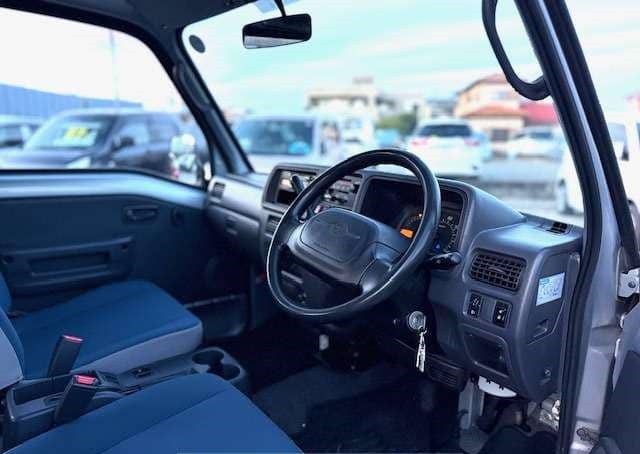
The SUBARU SAMBAR is a well-known kei truck that has garnered attention for its impressive fuel efficiency and versatile functionality. Born out of Japan’s kei car category, which aims at maximizing space within compact vehicles while adhering to specific size regulations, the Sambar combines practicality with performance. This article delves into the SUBARU Sambar’s notable fuel economy, driving experience, and overall benefits as a kei truck.
Understanding Kei Trucks
Kei trucks, or “keicar,” are a unique segment of vehicles in Japan characterized by their small size and engine specifications. Designed primarily for urban environments, they are easy to maneuver, park, and operate, making them a practical choice for city dwellers. The regulations governing kei vehicles include limitations on engine displacement, dimensions, and power output, which results in fuel-efficient options like the Subaru Sambar.
Fuel Efficiency of the Subaru Sambar
One of the most compelling features of the Subaru Sambar is its fuel economy. On average, drivers can expect a fuel efficiency of around 30 to 40 miles per gallon (mpg). The actual mileage, however, can vary based on several factors, including:
Driving Habits: Aggressive driving and rapid acceleration can significantly decrease fuel efficiency, while a smoother driving style often yields better results.
Road Conditions: Urban roadways and stop-and-go traffic can negatively impact fuel economy, while highway driving can improve it.
Maintenance: Regular maintenance, such as oil changes and tire pressure checks, can enhance the vehicle’s performance and fuel efficiency.
Load Capacity: Carrying heavy loads can reduce fuel efficiency as well, owing to the extra effort required from the engine.
Driving Experience with the Subaru Sambar
Despite its compact size, the Subaru Sambar offers a surprisingly spacious interior and practical features. The layout of the cargo area allows for easy loading and unloading, making it suitable for both commercial and personal use. Its lightweight body and efficient engine contribute to a responsive driving experience, making the vehicle agile in tight spaces.
The Sambar’s suspension system is designed to provide a comfortable ride, even on uneven terrain, which is essential for a truck that may encounter various types of roads. Additionally, the vehicle’s small turning radius allows for easy maneuverability, a significant advantage in crowded urban environments.
Cost-Effectiveness and Environmental Impact
In addition to its fuel efficiency, the Subaru Sambar is economically viable. Both the initial purchase price and ongoing running costs are generally lower compared to larger vehicles. The combination of affordability and fuel savings makes the Sambar an attractive choice for many drivers, particularly small business owners and individuals who need a reliable vehicle without high expenses.
Also, the environmental impact of choosing a fuel-efficient vehicle like the Subaru Sambar cannot be overstated. The reduction in fuel consumption leads to lower carbon emissions, contributing positively to a greener environment. By opting for a kei truck, drivers can partake in efforts to lower their carbon footprints while still enjoying the practicality of a versatile vehicle.
Final thoughts
In summary, the Subaru Sambar stands out as a remarkable kei truck that offers impressive fuel efficiency, exceptional maneuverability, and a cost-effective solution for both personal and commercial use. Its average fuel economy of 30-40 mpg makes it an ideal choice for those looking to minimize fuel expenses and environmental impact. Whether you’re navigating city streets or carrying cargo, the Subaru Sambar proves that good things come in small packages.
FAQs
1. What is a kei truck?
A kei truck is a small, lightweight vehicle classified under Japan’s kei car category. They adhere to specific regulations regarding size and engine capacity, making them economical and practical for urban driving.
2. How does the fuel economy of the Subaru Sambar compare to other vehicles?
With an average fuel economy of 30-40 mpg, the Subaru Sambar generally offers better fuel efficiency than many larger trucks and some sedans, making it a cost-effective choice for drivers.
3. Can the Subaru Sambar handle off-road conditions?
While the Subaru Sambar is primarily designed for urban environments, its suspension and lightweight design allow it to handle mild off-road conditions. However, extreme off-roading is not recommended.
4. Is the Subaru Sambar suitable for commercial use?
Yes, the Subaru Sambar is often used for commercial purposes due to its cargo capacity, fuel efficiency, and maneuverability, making it a favorite among small business owners.
5. How often should I maintain my Subaru Sambar for optimal fuel efficiency?
Regular maintenance, such as oil changes, tire rotations, and essential checks, should be performed every 5,000 to 7,500 miles to maximize fuel efficiency and overall performance.
The SUBARU SAMBAR has garnered attention as one of the most practical choices for urban driving, and a significant aspect of its appeal is its compact size. This small footprint...
When it comes to sharing a ride, be it for a family trip or a vehicle designed for business journeys, the importance of comfortable seating cannot be overstated. The experience...
Average cost is an essential concept in economics, finance, and business management. It helps organizations determine the cost implications of their operations and make informed decisions based on financial data....
Regular gasoline is a widely used fuel for internal combustion engines. It is one of the most common and easily accessible fuel types for vehicles around the world. Understanding the...
Family owned dealership of new and pre-owned vehicles with several locations across the Uganda. Lowest prices and the best customer service guaranteed.
You're almost there, select at least one more to compare!
We use cookies to ensure that we give you the best experience on our website. If you continue to use this site we will assume that you are happy with it.
You can revoke your consent any time using the Revoke consent button.