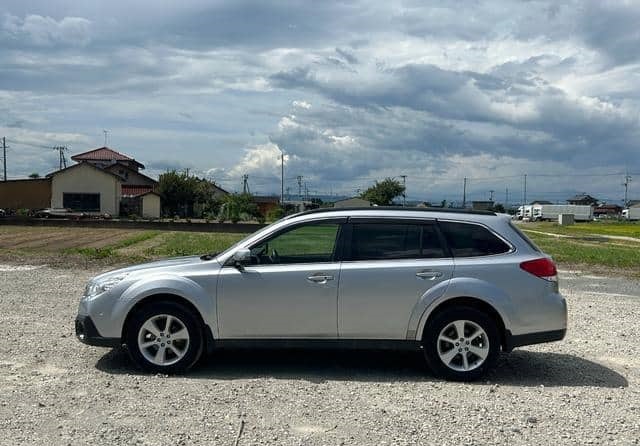
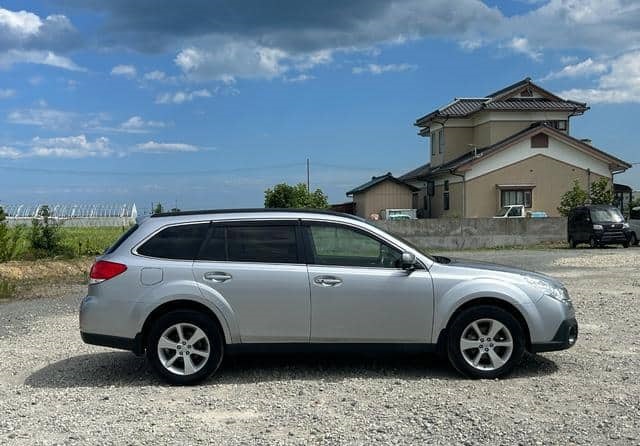
The 2012 SUBARU OUTBACK is known for its reliability, versatility, and all-terrain capability. However, like any vehicle, it is equipped with various warning lights that help drivers monitor the car’s status and identify potential issues. Understanding these warning lights is crucial for maintaining your SUBARU and ensuring your safety on the road.
Common Warning Lights and Their Meanings
Below is a brief overview of some common warning lights you might encounter in the 2012 Subaru Outback:
1. Check Engine Light
The check engine light is one of the most notorious warning indicators. It can illuminate for various reasons, including engine performance issues, emission problems, or even a loose fuel cap. If this light comes on, you should have your vehicle scanned for trouble codes as soon as possible to determine the underlying issue.
2. Battery Charging Alert
The battery charging alert light indicates a problem with the vehicle’s charging system. This could be due to a failing battery, a faulty alternator, or bad electrical connections. If this light activates, it is advisable to check your battery and charging system immediately, as further driving could lead to a breakdown.
3. Oil Pressure Warning
The oil pressure warning light alerts you to an issue with the engine’s oil pressure. Low oil levels, oil pump failure, or a clogged oil filter could be the cause. If this light activates, pull over safely and check the oil level. Ignoring this warning could result in serious engine damage.
4. Temperature Warning Light
The temperature warning light signifies that your engine is overheating. This could result from low coolant levels, a malfunctioning thermostat, or a failing water pump. If this light comes on, it is crucial to stop the vehicle and let the engine cool down, checking coolant levels before restarting.
5. Brake System Warning
This warning light can indicate several issues related to the braking system. It may illuminate because the parking brake is engaged, or there could be an issue with the brake fluid levels or the antilock braking system (ABS). It’s important to take this warning seriously, as brake failure can lead to dangerous situations.
6. Tire Pressure Monitoring System (TPMS)
The TPMS light indicates that one or more of your tires may be under-inflated or over-inflated. Maintaining the correct tire pressure is vital for safety, fuel efficiency, and tire longevity. If this light comes on, check your tire pressures and inflate them as necessary.
7. ABS Warning Light
The ABS (Anti-lock Braking System) warning light indicates a malfunction in the ABS system. While the vehicle may still operate normally, the ABS system will be inactive, which can affect braking performance in slippery conditions. It is recommended to have the system checked promptly if this light illuminates.
8. Traction Control System (TCS) Light
The TCS light comes on when the traction control system is activated, typically in slippery conditions. If it remains on, it could indicate a problem with the system that requires attention. Keeping traction control operational is important for maintaining vehicle stability.
Final thoughts
Understanding the warning lights on your 2012 Subaru Outback is essential for safe and efficient vehicle operation. Each light serves as a guide, indicating when to take action and address potential issues before they become more significant problems. Regularly monitoring your vehicle’s status and addressing warning lights promptly can help ensure a safe and enjoyable driving experience. Always consult your owner’s manual for specific details related to your vehicle, and don’t hesitate to seek professional assistance if you’re unsure about any warning indicators.
FAQs
What should I do if the check engine light comes on?
If the check engine light comes on, it’s advisable to have the vehicle scanned for trouble codes. This can help identify the cause of the warning. In some cases, a loose gas cap may be the reason, but other issues could be more serious.
Can I still drive my Subaru if the oil pressure warning light is on?
No, you should not continue to drive if the oil pressure warning light is on. Pull over safely, check your oil levels, and top up if necessary. Continued driving could lead to severe engine damage.
What does the temperature warning light mean?
The temperature warning light indicates that the engine is overheating. If this light comes on, you should stop the vehicle immediately, allow the engine to cool, and check coolant levels before continuing to drive.
How often should I check my tire pressure?
It is recommended to check tire pressure at least once a month and before long trips. Maintaining proper tire pressure is vital for safety and performance.
What should I do if the ABS warning light is on?
If the ABS warning light is on, it indicates that the ABS system has malfunctioned. You can drive the vehicle normally, but it’s best to have the ABS system inspected by a professional as soon as possible.
In various aspects of life, the principle of gradual acceleration plays a crucial role. Whether you are a professional athlete, a business owner, or simply navigating daily challenges, understanding the...
Introduction An illuminated warning light on your vehicle’s dashboard can be the first indication that something is amiss. Particularly, when the light pertains to the engine or emissions system, it...
<h1>Temperature Check: An Essential Health Measure</h1><p>Temperature checks have become an integral part of health screenings, especially in light of recent global health crises. Whether in hospitals, schools, or workplaces, monitoring...
When considering a vehicle, one of the crucial financial factors to account for is the cost of insurance. For a 2011 SUBARU OUTBACK, the annual insurance premium generally ranges from...
Family owned dealership of new and pre-owned vehicles with several locations across the Uganda. Lowest prices and the best customer service guaranteed.
You're almost there, select at least one more to compare!
We use cookies to ensure that we give you the best experience on our website. If you continue to use this site we will assume that you are happy with it.
You can revoke your consent any time using the Revoke consent button.