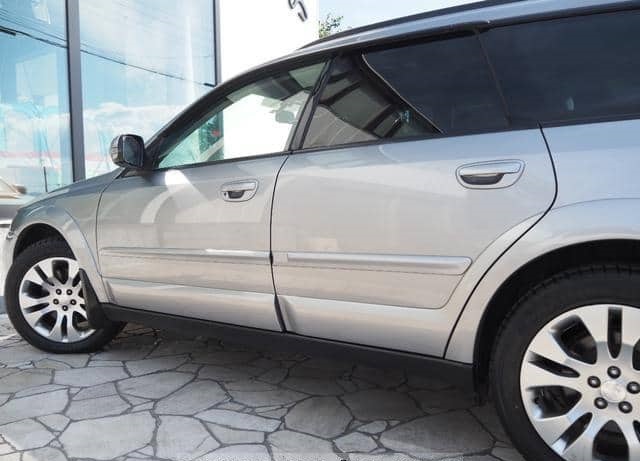
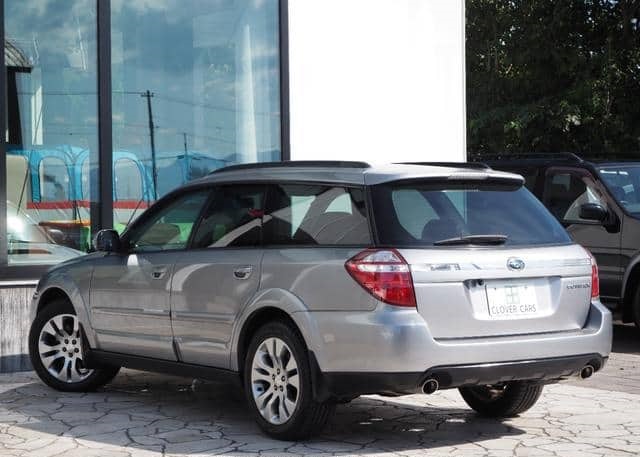
Maximizing fuel efficiency in your 2008 SUBARU OUTBACK involves a combination of driving habits, maintenance tips, and general practices. This article explores effective strategies that can help you get the most mileage out of each gallon of gas.
1. Optimize Your Driving Habits
Your driving style can significantly impact fuel efficiency. Here are some key practices to adopt:
A. Smooth Acceleration and Braking
Avoid rapid starts and sudden stops. Accelerate gradually to reach your desired speed and anticipate stops to allow your vehicle to slow down naturally. This minimizes fuel consumption.
B. Maintain a Steady Speed
Utilize cruise control on the highway when possible. Maintaining a constant speed can help improve fuel economy, particularly over long distances.
C. Limit Idling Time
Turn off the engine if you expect to be stationary for more than a minute or two. Idling consumes fuel without moving your vehicle.
2. Regular Maintenance Checks
<pKeeping your 2008 SUBARU Outback in optimal condition ensures that it operates efficiently. Here are several maintenance tips to follow:
A. Keep Up with Oil Changes
Using the manufacturer-recommended oil and changing it at regular intervals can minimize engine friction and improve performance, leading to better fuel efficiency.
B. Check Tire Pressure
Ensure your tires are properly inflated. Under-inflated tires can decrease fuel efficiency by up to 3%. Check your tire pressures regularly, especially before long trips.
C. Replace Air Filters
A clean air filter ensures that your engine receives the best airflow, which contributes to optimal combustion efficiency. Replace your air filter as recommended in your owner’s manual.
D. Monitor Fuel System
Ensure that your fuel injectors are clean and functioning properly. A dirty or malfunctioning fuel system can lead to poor fuel efficiency, so consider having it serviced if you notice a drop in performance.
3. General Practices for Improved Mileage
Adopting certain practices can help you make the most out of your fuel:
A. Reduce Excess Weight
Avoid carrying unnecessary loads in your vehicle. Every extra pound requires additional fuel, so keep your Outback as light as possible.
B. Minimize Air Conditioning Use
While air conditioning can be a blessing in hot weather, it can also strain your engine. Use the AC sparingly to save fuel, especially during low-speed driving.
C. Choose the Right Fuel
Use the recommended octane rating for your Subaru Outback. Higher octane fuel is not necessarily better and can be a waste of money if your vehicle does not require it.
D. Plan Your Trips Wisely
Combining errands or planning routes can help minimize driving time, reducing fuel consumption. Try to avoid peak traffic hours to ensure a smoother ride.
4. Utilizing Technology to Your Advantage
Modern vehicles come equipped with technology that can do wonders for fuel efficiency:
A. Use of Fuel Economy Displays
If your Outback has a fuel economy display, use it to monitor your driving habits. This can provide real-time feedback and encourage you to adopt more fuel-efficient habits.
B. GPS Guidance
Using a GPS can help you find the quickest route to your destination, which reduces fuel consumption by eliminating unnecessary driving.
Final thoughts
Maximizing fuel efficiency in your 2008 Subaru Outback is not just about cutting costs; it also has a positive impact on the environment. By adopting better driving habits, keeping up with maintenance, and utilizing modern technology, you can significantly enhance your fuel economy. These small changes can lead to substantial savings over time, making your driving experience not only more economical but also enjoyable.
FAQs
1. What is the average fuel efficiency of a 2008 Subaru Outback?
The average fuel efficiency of a 2008 Subaru Outback is around 20-30 MPG, depending on whether it’s equipped with the four-cylinder or six-cylinder engine and whether it’s driven in city or highway conditions.
2. How often should I change the oil in my Subaru Outback?
It is recommended to change the oil every 5,000 to 7,500 miles, depending on driving conditions and the type of oil used. Always refer to your owner’s manual for specific guidelines.
3. Can driving with a roof rack affect fuel efficiency?
Yes, driving with a roof rack can reduce fuel efficiency due to increased aerodynamic drag. Remove it when not in use to improve mileage.
4. Is it worth using premium fuel in my Outback?
If your Outback does not require premium fuel, using it may not provide a noticeable benefit. Stick to the manufacturer’s recommendations for the best results.
5. How can I tell if my driving habits are affecting my fuel efficiency?
Monitor your fuel consumption over time and look for unusual drops in mileage. If you notice a significant decrease, reassess your driving habits and maintenance schedule.
In various aspects of life, the principle of gradual acceleration plays a crucial role. Whether you are a professional athlete, a business owner, or simply navigating daily challenges, understanding the...
Introduction An illuminated warning light on your vehicle’s dashboard can be the first indication that something is amiss. Particularly, when the light pertains to the engine or emissions system, it...
<h1>Temperature Check: An Essential Health Measure</h1><p>Temperature checks have become an integral part of health screenings, especially in light of recent global health crises. Whether in hospitals, schools, or workplaces, monitoring...
When considering a vehicle, one of the crucial financial factors to account for is the cost of insurance. For a 2011 SUBARU OUTBACK, the annual insurance premium generally ranges from...
Family owned dealership of new and pre-owned vehicles with several locations across the Uganda. Lowest prices and the best customer service guaranteed.
You're almost there, select at least one more to compare!
We use cookies to ensure that we give you the best experience on our website. If you continue to use this site we will assume that you are happy with it.
You can revoke your consent any time using the Revoke consent button.