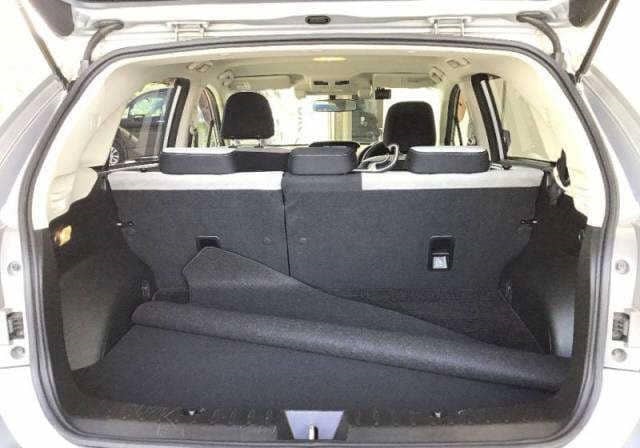
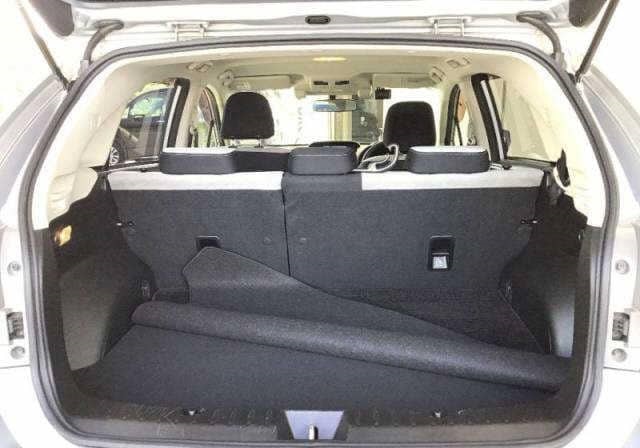
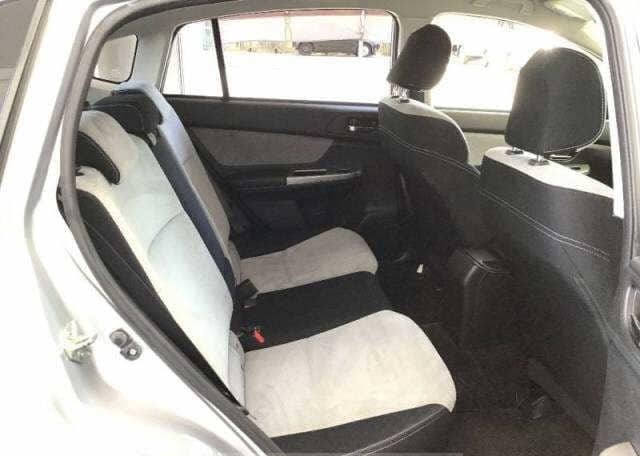
The 2014 SUBARU IMPREZA XV HYBRID combines the efficiency of a hybrid engine with the versatility and practicality of a compact crossover. Whether you’re looking to buy this vehicle for the first time or are a current owner seeking to manage costs effectively, understanding the financial implications is essential.
Assessing the Initial Purchase
When budgeting for the purchase of a 2014 SUBARU IMPREZA XV Hybrid, start by researching various financing options. Consider the following:
New vs. Used: New models come with warranties and the latest features but may be more expensive than used ones.
Financing Options: Compare rates from banks, credit unions, and dealership financing. Look for special deals or incentives.
Total Cost of Ownership: Factor in sales tax, registration fees, and any additional dealership charges.
Understanding Fuel Efficiency
The SUBARU IMPREZA XV Hybrid is known for its fuel efficiency, averaging around 29 MPG in the city and 33 MPG on the highway. Here are some budgeting tips related to fuel costs:
Calculate Annual Fuel Expenses: Estimate your monthly driving distance and calculate your fuel expenses based on current gas prices.
Consider Hybrids’ Benefits: With rising fuel prices, hybrids generally offer substantial savings over time, which can be factored into your overall budget.
Insurance Costs
Insurance is another crucial aspect of budgeting for your 2014 SUBARU Impreza XV Hybrid. Understand how different factors can affect your premium:
Type of Coverage: Decide between full coverage and liability coverage based on your vehicle’s value and your risk tolerance.
Comparative Shopping: Get quotes from multiple insurance companies to find the best rate.
Discounts: Look for available discounts like multi-vehicle or safe driver discounts.
Maintenance and Repairs
A well-maintained vehicle can prevent costly repair bills down the line. Consider the following when budgeting for maintenance:
Regular Servicing: Follow the manufacturer’s recommended maintenance schedule to keep the vehicle in optimal condition.
Do-It-Yourself: Some maintenance tasks, such as oil changes, can be done at home to save money.
Emergency Budget: Set aside a specific fund for unexpected repairs or breakdowns.
Depreciation and Resale Value
The Subaru Impreza XV Hybrid has a reputation for holding its value relatively well compared to many competitors. To manage future budgeting:
Research Resale Prices: Keep an eye on the market trends and resale values of your vehicle over time.
Care for Your Vehicle: The better you maintain your Subaru, the higher its resale value will likely be.
Final thoughts
Owning a 2014 Subaru Impreza XV Hybrid can be a financially sound decision when approached with a smart budgeting strategy. By understanding your initial costs, fuel efficiency, insurance rates, maintenance needs, and vehicle depreciation, you can enjoy your vehicle without financial stress. Proper knowledge and preparation will enable you to make informed decisions, whether you’re purchasing a new Subaru or managing your current ownership experience.
FAQs
1. What is the average maintenance cost for a 2014 Subaru Impreza XV Hybrid?
On average, owners can expect to spend around $400 to $600 annually on regular maintenance, but this can vary based on driving habits and local labor rates.
2. How can I improve gas mileage in my Impreza XV Hybrid?
Improving gas mileage can be achieved by driving smoothly, avoiding aggressive acceleration and braking, maintaining proper tire inflation, and limiting excess weight in the vehicle.
3. Is it worth getting an extended warranty?
Whether or not to purchase an extended warranty depends on your risk tolerance and how long you plan to keep the vehicle. If you prefer peace of mind, an extended warranty can be a good investment.
4. What types of insurance are recommended for hybrid vehicles?
Full coverage insurance is generally recommended for hybrid vehicles. However, you may opt for liability coverage if your vehicle’s value justifies it.
5. How does hybrid technology affect resale value?
Hybrid vehicles often retain their value better due to lower operating costs and a growing demand for fuel-efficient cars, making them a wise investment in the long term.
The 2013 Subaru Impreza Hardtop Sedan is renowned for its blend of practicality and performance, making it a compelling option for urban driving in Uganda’s bustling cities. With its compact...
Audio systems play a crucial role in our daily lives, from providing entertainment to enhancing our experiences in various settings. Whether it’s at home, in the car, or at a...
Whether you are an automotive enthusiast, a DIY mechanic, or just a SUBARU owner looking to maintain your vehicle, ensuring that you purchase genuine parts is crucial. Genuine Subaru parts...
When it comes to maintaining and repairing your SUBARU, sourcing the right parts is crucial to the longevity and performance of your vehicle. While there are numerous options available in...
Family owned dealership of new and pre-owned vehicles with several locations across the Uganda. Lowest prices and the best customer service guaranteed.
You're almost there, select at least one more to compare!
We use cookies to ensure that we give you the best experience on our website. If you continue to use this site we will assume that you are happy with it.
You can revoke your consent any time using the Revoke consent button.