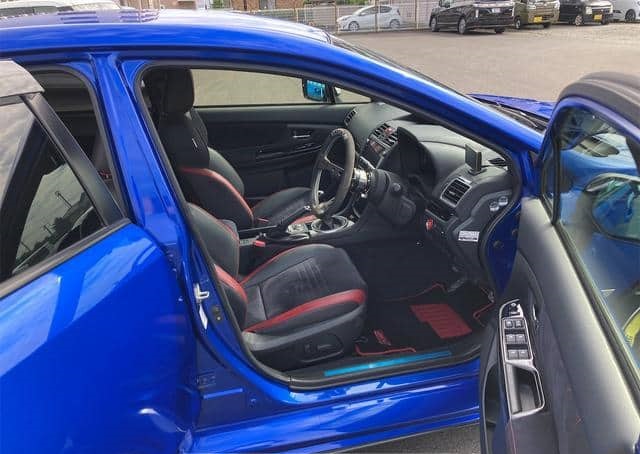
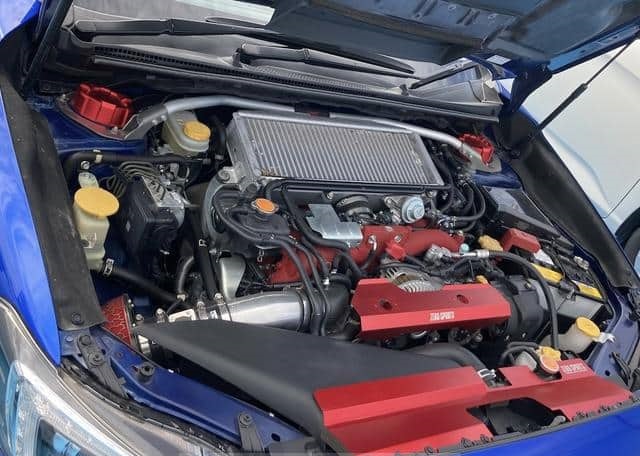
Fuel economy is a significant factor for many car buyers, influencing both overall ownership costs and environmental impact. When considering performance vehicles, however, fuel efficiency can sometimes take a back seat to power and handling. One such vehicle is the 2019 SUBARU WRX STI, a high-performance compact car that has built a devoted following among enthusiasts. This article delves into the fuel economy of the 2019 WRX STI, which typically averages around 16-22 miles per gallon (mpg), depending on driving conditions.
Fuel Economy Overview
The 2019 WRX STI is powered by a 2.5-liter turbocharged flat-four engine that produces 310 horsepower and 290 lb-ft of torque. While these numbers may excite performance enthusiasts, they come at a cost in terms of fuel economy. The EPA estimates fuel economy for the WRX STI at approximately 16 mpg in the city and 22 mpg on the highway.
It’s essential to note that these are only averages; real-world fuel consumption can fluctuate based on various factors, such as driving habits, traffic conditions, and terrain. For instance, aggressive driving, such as rapid acceleration and high-speed cornering, can significantly decrease mpg. Conversely, smooth driving at moderate speeds might improve efficiency, although it’s likely that fuel efficiency will be lower than that of non-performance vehicles.
Factors Affecting Fuel Economy
Driving Conditions
City driving usually results in lower fuel economy figures, primarily due to frequent stops, starts, and idling. In contrast, highway driving can yield better fuel efficiency since vehicles can maintain a consistent speed. However, maintaining high speeds can also impact fuel consumption negatively.
Driving Style
Your driving style plays a crucial role in determining fuel economy. For instance, aggressive acceleration and high-speed driving tend to reduce fuel efficiency. On the other hand, smooth acceleration and braking can improve it. If you’re aiming to maximize your fuel economy, adopting a more conservative driving style is advised.
Terrain
Driving in hilly or mountainous terrains can lead to variations in fuel efficiency, as frequent changes in elevation require more power and, consequently, more fuel. On flat terrain, the WRX STI can achieve its maximum fuel efficiency more readily.
Vehicle Maintenance
Proper maintenance of the WRX STI also influences its fuel efficiency. Regular oil changes, proper tire inflation, and maintaining the engine in good condition can all help the vehicle run more effectively, leading to better fuel economy.
Comparisons with Other Models
In the realm of performance cars, the 2019 WRX STI’s fuel economy might not seem impressive compared to more eco-friendly vehicles or even some family sedans. However, it’s crucial to compare it with vehicles within its class. For example, the VOLKSWAGEN GOLF R offers a similar performance experience but can also achieve a slightly better fuel economy, hovering around 21-29 mpg. The FORD Focus RS, another competitor, has comparable fuel consumption, with numbers quite close to the WRX STI.
For those who prioritize fuel economy over sheer performance, many hybrid and electric models offer significantly lower fuel costs per mile and reduced environmental impact. However, if outright performance and driving excitement are what you’re after, the WRX STI provides a thrilling experience that comes with a trade-off in fuel economy.
Tips to Improve Fuel Economy
For WRX STI owners looking to get the best mileage possible, here are some tips:
Drive Smoothly: Avoid aggressive starts and hard braking, which can decrease your fuel efficiency.
Monitor Tire Pressure: Properly inflated tires can improve mileage significantly.
Reduce Weight: Remove unnecessary items from the car to lessen the load and improve fuel economy.
Regular Maintenance: Keep your vehicle well-maintained with regular oil changes and engine tune-ups.
Use Cruise Control: On the highway, using cruise control can help maintain a steady speed and improve fuel efficiency.
To sum up, while the 2019 WRX STI boasts an impressive roster of performance features, its fuel economy pales in comparison to many everyday vehicles. Averaging around 16-22 mpg, the WRX STI is primarily geared towards enthusiasts who value driving pleasure over fuel efficiency. However, with a few conscientious driving habits and proper vehicle maintenance, owners can still enjoy driving this iconic performance car while making the most of their fuel.
FAQs
What is the fuel economy of the 2019 WRX STI?
The 2019 WRX STI typically gets around 16 mpg in the city and 22 mpg on the highway.
How can I improve the fuel economy of my WRX STI?
You can improve fuel economy by driving smoothly, properly maintaining the vehicle, monitoring tire pressure, and reducing weight in the car.
Why is the WRX STI’s fuel economy lower than some other vehicles?
The WRX STI is a performance car built for power and speed, which often results in compromised fuel efficiency compared to more economical vehicles.
Is the fuel economy different based on driving conditions?
Yes, driving conditions significantly affect fuel economy. City driving often results in lower mpg, while highway driving typically yields better efficiency.
Are there more fuel-efficient performance cars available?
Yes, there are more fuel-efficient performance cars, such as the VOLKSWAGEN GOLF R, which offers a better mpg rating while still providing a thrilling driving experience.
The 2013 Subaru Impreza Hardtop Sedan is renowned for its blend of practicality and performance, making it a compelling option for urban driving in Uganda’s bustling cities. With its compact...
Audio systems play a crucial role in our daily lives, from providing entertainment to enhancing our experiences in various settings. Whether it’s at home, in the car, or at a...
Whether you are an automotive enthusiast, a DIY mechanic, or just a SUBARU owner looking to maintain your vehicle, ensuring that you purchase genuine parts is crucial. Genuine Subaru parts...
When it comes to maintaining and repairing your SUBARU, sourcing the right parts is crucial to the longevity and performance of your vehicle. While there are numerous options available in...
Family owned dealership of new and pre-owned vehicles with several locations across the Uganda. Lowest prices and the best customer service guaranteed.
You're almost there, select at least one more to compare!
We use cookies to ensure that we give you the best experience on our website. If you continue to use this site we will assume that you are happy with it.
You can revoke your consent any time using the Revoke consent button.