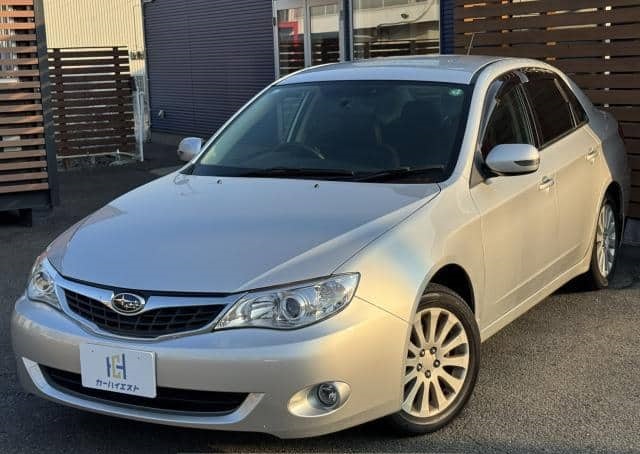
The dashboard of your SUBARU IMPREZA ANESIS 2011 is equipped with various warning lights that serve as indicators for crucial vehicle functions. Understanding what each light means can help you address potential issues before they escalate, ensuring your car remains safe and reliable. In this article, we will explore some common warning lights you might encounter on your dashboard and their significance.
Common Warning Lights
1. Check Engine Light
The check engine light is one of the most recognizable warning lights. When this light illuminates, it indicates a potential problem with the engine or its components. This could range from a loose gas cap to more serious issues requiring immediate attention. It’s advisable to get your vehicle checked by a professional to diagnose the exact issue.
2. Oil Pressure Warning Light
This light usually looks like an oil can or a droplet. If this light illuminates, it indicates that the oil pressure is low, which could mean that the oil level is inadequate or that there is a problem with the oil pump. Operating your vehicle with a low oil pressure can lead to severe engine damage, so it’s crucial to check the oil level and visit a mechanic if necessary.
3. Battery Charge Warning Light
This warning light resembles a battery and is often associated with electrical issues. If it lights up, it may indicate that the battery is not charging properly. It could be due to a faulty alternator, loose battery connections, or a dead battery. Regardless, you should have the electrical system inspected as soon as possible to avoid being stranded.
4. Brake Warning Light
The brake warning light may look like an exclamation mark inside a circle or the word “BRAKE.” This may indicate several issues, including low brake fluid levels, worn brake pads, or a malfunctioning ABS system. If this light comes on, it’s vital to investigate immediately as your braking system is integral to safety.
5. Tire Pressure Monitoring System (TPMS) Light
The TPMS light resembles a tire with an exclamation point inside it. If this light turns on, it means one or more of your tires may be under-inflated or there might be a malfunction in the monitoring system. Proper tire inflation is crucial for safety, fuel efficiency, and tire longevity, so check your tire pressures right away.
6. Transmission Fluid Temperature Warning Light
This light usually looks like a thermometer inside a liquid. If it illuminates, your transmission fluid may be overheating, which could lead to significant transmission damage if not addressed. Pull over safely and allow the engine to cool down, then check the transmission fluid level and condition, and consult a mechanic if the problem persists.
7. Anti-lock Braking System (ABS) Warning Light
The ABS warning light indicates a fault in the anti-lock braking system. If it lights up, the ABS may not be functioning, but you’ll still have regular brake functionality. It’s best to have this checked to ensure your vehicle’s braking system operates correctly under various conditions.
8. Service Vehicle Soon Light
This light serves as a reminder that your vehicle requires maintenance. It usually appears based on a specific mileage interval or sensor readings. Ignoring this light may lead to more significant problems down the line, so taking your car in for regular service is essential to maintain vehicle health.
Final thoughts
Understanding the warning lights on your SUBARU IMPREZA Anesis 2011 is crucial for maintaining the health and safety of your vehicle. Each light serves a distinct purpose and can indicate critical issues if not addressed in a timely manner. Regular vehicle maintenance and prompt attention to warning lights can save you from costly repairs and ensure your vehicle runs smoothly. Always consult your vehicle’s owner’s manual for specific details and troubleshooting steps relating to your dashboard warning lights. Stay informed and safe on the road!
FAQs
1. What should I do if the check engine light comes on?
First, check for any obvious issues such as a loose gas cap. If the light remains on, it is advisable to have a professional mechanic perform a diagnostic check to pinpoint the problem.
2. Can I continue driving with the oil pressure warning light on?
No, continuing to drive with this light on can cause serious engine damage. Pull over safely and check the oil level immediately.
3. How can I reset the warning lights?
Many warning lights will reset themselves after the issue is fixed. However, for some lights, you may need to disconnect the battery for a short period or use an OBD-II scanner to clear the codes.
4. What does the brake warning light mean if it is flashing?
A flashing brake warning light often indicates a problem with the brake system, such as low brake fluid or a malfunction in the ABS. It’s essential to address this issue immediately.
5. Regular maintenance can help with dashboard warning lights?
Yes, regular maintenance helps identify and prevent issues before they trigger warning lights. It’s important to follow the manufacturer’s recommended service schedule.
The 2013 Subaru Impreza Hardtop Sedan is renowned for its blend of practicality and performance, making it a compelling option for urban driving in Uganda’s bustling cities. With its compact...
Audio systems play a crucial role in our daily lives, from providing entertainment to enhancing our experiences in various settings. Whether it’s at home, in the car, or at a...
Whether you are an automotive enthusiast, a DIY mechanic, or just a SUBARU owner looking to maintain your vehicle, ensuring that you purchase genuine parts is crucial. Genuine Subaru parts...
When it comes to maintaining and repairing your SUBARU, sourcing the right parts is crucial to the longevity and performance of your vehicle. While there are numerous options available in...
Family owned dealership of new and pre-owned vehicles with several locations across the Uganda. Lowest prices and the best customer service guaranteed.
You're almost there, select at least one more to compare!
We use cookies to ensure that we give you the best experience on our website. If you continue to use this site we will assume that you are happy with it.
You can revoke your consent any time using the Revoke consent button.