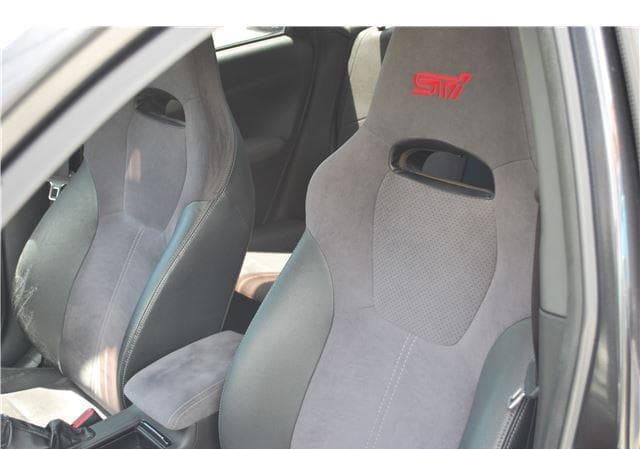
These concise, practical notes are designed to help you evaluate insurance, financing, budgeting, pre‑buy inspection items (risk checks), and long‑term value for a SUBARU IMPREZA 2009 Insurance And Financing Notes Budgeting Risk Checks Long Term Value The guidance applies to base, 2.5, and WRX variants with all‑wheel drive (AWD).
Insurance Considerations
Variant matters: The WRX is performance‑oriented and typically costs more to insure than the base or 2.5 models because of higher horsepower, sport suspension, and greater theft/accident risk. Expect higher premiums and stricter underwriting.
Driver profile and history: Age, driving record, location (urban vs rural), and mileage affect premiums. A clean driving record and low annual mileage lower rates.
Coverage types: For a 2009 model, decide on liability only versus full coverage. If the car is paid off and in decent condition, some buyers reduce coverage to save money; if financed, lenders often require comprehensive and collision.
Safety and anti‑theft features: AWD itself can be a plus for perceived safety in poor weather. Anti‑theft devices, a clean VIN history, and OEM stability/airbag systems may shave costs slightly.
Modifiers: Modifications (aftermarket turbo work, wheels, suspension) often increase premiums or void certain policies. Declare major mods to your insurer.
Financing Tips
Loan type: Compare dealer loans, bank/credit union offers, and online lenders. Credit unions often have competitive rates for used‑car loans.
Term length: Shorter terms cost more monthly but save interest. Avoid excessively long terms that lead to negative equity on an older car.
Interest rate considerations: Interest rates on a 2009 vehicle are typically higher than on new cars. Shop around, get preapproval, and know your credit score.
Down payment and trade‑in: A larger down payment reduces loan principal and monthly payments. If trading in, know your car’s value separately before negotiating.
Gap and warranty: Gap insurance covers the difference between loan balance and vehicle value if totaled; it’s less useful on older cars with low values. Consider buying an extended warranty only after checking common failure items and cost of repairs.
Budgeting for Ownership
Fuel: 2.5 and WRX engines have different economies—WRX will use more fuel under spirited driving. Budget fuel based on commuting miles and whether regular vs premium fuel is required (WRX likely needs or benefits from higher‑octane).
Maintenance: Older AWD Subarus need routine attention: oil changes, brakes, tires, and fluid services (transmission/transfer case/differentials). Count on higher costs for AWD drivetrain and possible routine repairs.
Tires and alignment: AWD magnifies the importance of matched tire wear and correct alignment. Budget for replacing tires in axle sets and potential alignment work.
Common repairs: Depending on engine and duty cycle, expect spending on head gasket work, oil leaks, and suspension components over time. Labor can be significant if major engine or AWD components need service.
Emergency fund: Keep a reserve for unexpected repairs—$1,000–$3,000 is reasonable for older vehicles.
Risk Checks / Pre‑Buy Inspection Items
Always perform a thorough inspection and, when in doubt, get a professional pre‑purchase inspection (PPI) from a mechanic familiar with SUBARU AWD cars. Key checks:
Service history and ownership: Review maintenance records. Regular oil changes, timing belt/chain service (if applicable), and differential fluid changes are good signs.
Engine condition: Look for oil leaks, coolant mixing with oil (milky oil), blue or white smoke at startup or under load, inconsistent idle, and misfires. WRX turbo variants should be checked for excessive oil consumption and turbo play.
Head gaskets: Older Subaru EJ engines are known to develop head gasket leaks. Check for coolant loss, overheating history, and visible gasket leaks around the head area.
Transmission & clutch: Test manual clutch engagement, pedal feel, and for grinding. For automatics, check for smooth shifting and no slipping. AWD transfer and differential noises are important to identify.
Drivetrain and AWD health: Listen for CV joint clicks, differential whines, and driveline vibrations. Any abnormal noise during acceleration, deceleration, or steady highway speeds should be investigated.
Suspension, steering, and brakes: Check for uneven tire wear, play in tie rods, worn bushings, leaking struts/shocks, and brake rotor condition. Poor alignment or worn components are common on older cars.
Rust and body condition: Inspect the rocker panels, undercarriage, wheel wells, and around suspension mounting points for rust. Undercarriage corrosion can be costly to repair.
Electrical and interior: Test all electronics—windows, HVAC, infotainment, lights, and gauges. Older cars can have failing window regulators and HVAC blower motors.
Modification signs: For WRX models, look for evidence of tuning, aftermarket intakes, larger intercoolers, or exhaust systems. These can indicate higher stress on mechanicals and affect reliability and insurance.
Diagnostic scan: Request an OBD‑II scan for stored trouble codes and pending issues.
Long‑Term Value Considerations
Depreciation and demand: A 2009 Impreza has already experienced major depreciation. WRX models often retain higher enthusiast demand and can hold value better than base trims—especially if well‑maintained and unmodified.
Parts availability and cost: Subaru parts are generally available, but some components (head gaskets, turbo parts) can be costly. Factor parts and labor into resale value calculations.
Reliability trends: Maintenance history strongly dictates long‑term value. Cars with documented, timely maintenance will sell for more.
Modifications impact resale: Sympathetic, reversible upgrades may appeal to buyers; heavily modified or poorly tuned cars can harm value and limit the buyer pool.
Regional factors: In snowy regions, AWD Subarus are desirable; however, use in harsh winter conditions can increase wear and reduce value if not well cared for.
Final thoughts
Evaluating a 2009 Subaru Impreza means balancing upfront price, expected insurance and financing costs, ongoing maintenance, and known Subaru‑specific risks. The WRX commands higher insurance and may require premium fuel and more careful mechanical scrutiny, but it also retains stronger enthusiast resale value if maintained. Prioritize a full service history, a professional pre‑purchase inspection focused on head gaskets, drivetrain and AWD components, and a realistic budget for repairs and tires. With sensible financing, adequate insurance coverage, and regular maintenance, a well‑kept 2009 Impreza can be a dependable and enjoyable AWD car for daily driving or weekend fun.
FAQs
Q: Is the WRX much more expensive to insure than the base Impreza?
A: Generally yes—WRX models cost more to insure due to higher performance, greater accident risk, and often younger/enthusiast owners. Get quotes for both trims before buying.
Q: What are the most common expensive repairs on a 2009 Impreza?
A: Head gasket repairs, turbo failures (on WRX), major oil leaks, and drivetrain/differential work can be among the pricier repairs. Regular maintenance can reduce the likelihood and cost.
Q: Should I get an extended warranty on a 2009 model?
A: Extended warranties can help with peace of mind, but weigh the cost against likely repair bills and the car’s value. If buying from a private seller, consider an inspection first; many warranties exclude pre‑existing issues and modifications.
Q: How important is a professional pre‑purchase inspection?
A: Very important. A PPI by a mechanic experienced with Subarus will identify issues (head gasket, AWD problems, turbo wear) that can justify renegotiation or walking away.
Q: Does AWD increase maintenance costs?
A: Somewhat. AWD adds components—differentials, transfer cases, extra seals and CV joints—that require maintenance and can increase repair costs compared to front‑wheel‑drive cars.
The 2013 Subaru Impreza Hardtop Sedan is renowned for its blend of practicality and performance, making it a compelling option for urban driving in Uganda’s bustling cities. With its compact...
Audio systems play a crucial role in our daily lives, from providing entertainment to enhancing our experiences in various settings. Whether it’s at home, in the car, or at a...
Whether you are an automotive enthusiast, a DIY mechanic, or just a SUBARU owner looking to maintain your vehicle, ensuring that you purchase genuine parts is crucial. Genuine Subaru parts...
When it comes to maintaining and repairing your SUBARU, sourcing the right parts is crucial to the longevity and performance of your vehicle. While there are numerous options available in...
Family owned dealership of new and pre-owned vehicles with several locations across the Uganda. Lowest prices and the best customer service guaranteed.
You're almost there, select at least one more to compare!
We use cookies to ensure that we give you the best experience on our website. If you continue to use this site we will assume that you are happy with it.
You can revoke your consent any time using the Revoke consent button.