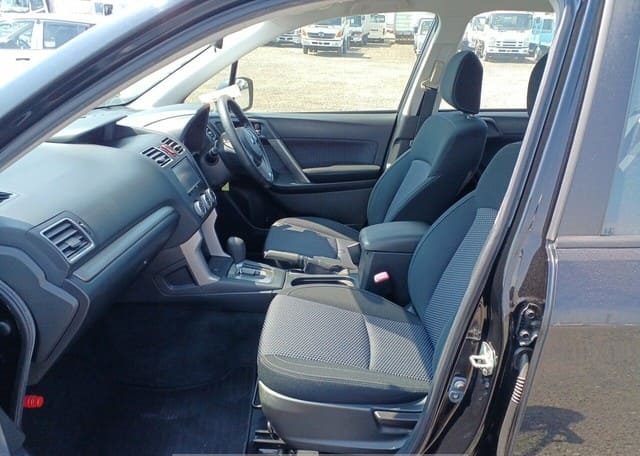
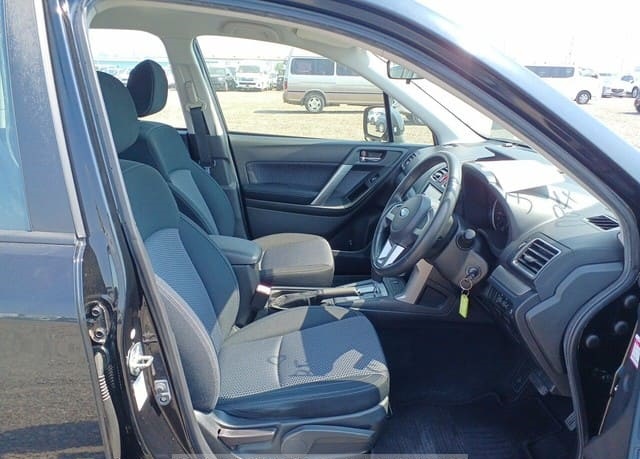
The 2016 SUBARU FORESTER is a compact SUV that has received praise for its spacious interior, all-wheel drive capabilities, and overall reliability. However, like any vehicle, it can experience a variety of noises and vibrations that may raise concerns among owners. Understanding these potential issues, as well as the appropriate troubleshooting tips to address them, can help maintain the performance and comfort of your Forester.
If you hear a clicking or popping noise, particularly when turning or driving at low speeds, the issue may lie in the CV joints or axles. Over time, these components can wear out, leading to such noises.
Troubleshooting Tip: Inspect the CV boots for any tears or leaks. If they appear damaged, replacing them may resolve the noise.
2. Whining Sounds from the Engine
A whining noise that increases with engine speed can be a sign of a failing alternator or a loose serpentine belt. Additionally, transmission issues can also produce a similar sound.
Troubleshooting Tip: Check the belt tension and condition; a worn belt may need replacement. If the alternator is the problem, it should be tested for proper function.
3. Clunking Sounds from Suspension
Clunking noises when going over bumps or during acceleration can indicate problems with the suspension components, such as struts or shocks.
Troubleshooting Tip: Inspect the suspension for worn-out parts. Consider having a professional mechanic assess the situation if any components are suspected to be faulty.
4. Humming or Droning Sounds
Persistent humming or droning noises while driving could stem from worn tires, wheel bearings, or even issues with the differential.
Troubleshooting Tip: Check the tire tread and air pressure. If the tires are worn unevenly, they may need rotation or replacement. If the issue persists, inspect the wheel bearings and differential.
5. Rattling Noises in the Cabin
Rattling sounds from the cabin can be due to loose trim, objects in the glove compartment, or even loose exhaust systems.
Troubleshooting Tip: Ensure that all interior trim is secure and check for any loose items inside the vehicle. If the rattling is from the exhaust, have it checked for proper attachment.
Common Vibrations in the 2016 Subaru Forester
1. Steering Wheel Vibrations
If you experience vibrations through the steering wheel, especially at high speeds, it may indicate wheel imbalance or alignment issues.
Troubleshooting Tip: Have your tires balanced and the alignment checked. Regularly rotating the tires can also prevent uneven wear.
2. Seat Vibrations
Vibrations felt in the seats can result from engine or transmission problems, especially if they resonate through the vehicle when accelerating or decelerating.
Troubleshooting Tip: Inspect the engine mounting points and the transmission for any loose components that may be causing excess vibration.
3. Brake Vibrations
Vibrations when braking can occur due to warped brake rotors or uneven brake pads. This can impact the efficiency of your braking system and may be a safety concern.
Troubleshooting Tip: Have the brake system checked. Rotors may need to be resurfaced or replaced, along with brake pads if uneven wear is detected.
4. Floorboard Vibrations
Excess vibrations in the floorboards may indicate issues with the driveline components or exhaust system. If the exhaust is loose, it can transmit vibrations to the cabin.
Troubleshooting Tip: Check the exhaust system for any loose hangers or brackets, and inspect the driveshaft for proper mounting and condition.
Final thoughts
The 2016 Subaru Forester, known for its reliability and versatility, can also face common issues such as noises and vibrations that may concern drivers. By understanding these potential problems and following the troubleshooting tips provided, Forester owners can take steps to maintain their vehicle’s performance and comfort. Regular maintenance and promptly addressing issues can go a long way in ensuring a smooth driving experience.
FAQs
1. What should I do if I hear a strange noise while driving my Forester?
If you notice any strange noises, it’s advisable to pull over safely and inspect the vehicle. If you are unable to identify the source of the noise, consult a professional mechanic.
2. How often should I have my vehicle checked for these issues?
Routine maintenance is key. It’s recommended to have your vehicle inspected at least once a year or according to Subaru’s maintenance schedule to catch potential issues before they become major problems.
3. Can I fix these issues myself?
Some minor issues can be addressed at home with the right tools and knowledge. However, for complex problems, seeking help from a qualified mechanic is recommended to avoid further damage.
4. Are these noises and vibrations common in all vehicles?
While many vehicles experience similar noises and vibrations, their frequency and causes can vary based on the model and its maintenance history. Regular care can minimize common issues.
5. Is it safe to drive my Forester if it’s making unusual noises?
It depends on the nature of the noise. If the noise indicates a serious issue, like problems with the brakes or transmission, it’s best to refrain from driving until it has been inspected to ensure safety.
The SUBARU FORESTER has long been recognized as an ideal vehicle for families and outdoor enthusiasts alike. One of its most appealing features is its impressive interior space, which combines...
Engine knocking or tapping is a phenomenon that can cause concern among drivers and car enthusiasts alike. It’s crucial to be aware of the symptoms, causes, and potential solutions to...
If you live in a region with mild winters, investing in high-quality all-season tires is one of the best decisions you can make for your vehicle. All-season tires are designed...
As vehicle technology continues to evolve, one feature that many drivers are becoming increasingly appreciative of is all-wheel drive (AWD). This system has transformed the way we navigate various terrains...
Family owned dealership of new and pre-owned vehicles with several locations across the Uganda. Lowest prices and the best customer service guaranteed.
You're almost there, select at least one more to compare!
We use cookies to ensure that we give you the best experience on our website. If you continue to use this site we will assume that you are happy with it.
You can revoke your consent any time using the Revoke consent button.