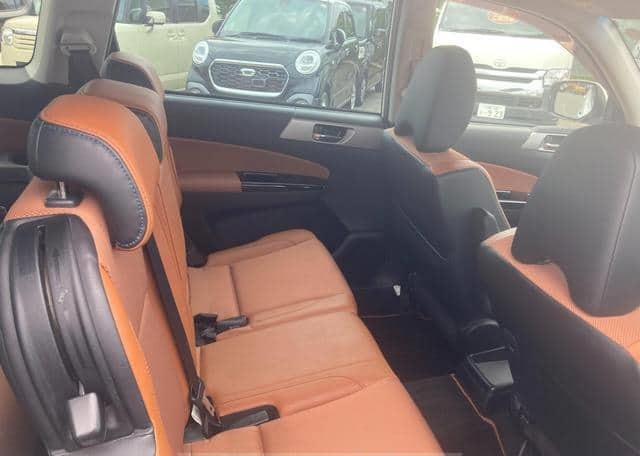
Buying a vehicle is a significant investment, and one of the most important considerations when making this purchase is understanding the warranty coverage. The original manufacturer’s warranty serves as an assurance against unexpected repair costs and offers peace of mind to vehicle owners. This article will guide you through the essential elements of the original manufacturer’s warranty for SUBARU vehicles and how to check if your vehicle is still covered under it.
What is an Original Manufacturer’s Warranty?
The original manufacturer’s warranty is a promise from the vehicle manufacturer to cover specific repairs and issues for a certain period or mileage after the purchase of the vehicle. This warranty is designed to protect you against defects in materials and workmanship, ensuring that your vehicle operates as intended.
Key Features of Subaru’s Original Manufacturer’s Warranty
Subaru, like other manufacturers, has specific warranty offerings that vary based on factors such as the model, year, and region. Generally, Subaru’s original manufacturer’s warranty includes:
1. Basic Warranty Coverage
The basic warranty, often referred to as a “bumper-to-bumper” warranty, typically covers most components of the vehicle except for wear-and-tear items and certain exclusions. For Subaru, this coverage usually lasts for 3 years or 36,000 miles, whichever comes first.
2. Powertrain Warranty
The powertrain warranty is crucial for protecting against significant repair costs. This warranty typically covers the engine, transmission, and drivetrain components. Subaru provides a powertrain warranty of 5 years or 60,000 miles, which demonstrates the manufacturer’s confidence in the durability of its vehicles.
3. Corrosion Warranty
To protect against rust and corrosion, Subaru offers a corrosion warranty that generally lasts for 5 years with unlimited mileage. This feature is particularly valuable in regions where salt is used for road maintenance in winter, as it helps prevent premature deterioration of the vehicle’s body.
4. Roadside Assistance
Subaru also includes a roadside assistance program for the duration of the basic warranty. This program offers services like towing, flat tire changes, and battery jump-starts. This added layer of support can be invaluable during emergency situations.
How to Check if Your Vehicle is Still Under Warranty
It’s essential to know whether your Subaru is still covered under the original manufacturer’s warranty, especially if you’ve purchased a used vehicle. Here’s how to check:
1. Locate Your Vehicle Identification Number (VIN)
Your VIN is a unique 17-character code assigned to your vehicle. You can find it on the driver’s side dashboard, inside the driver’s side door jamb, or on your vehicle registration documents.
2. Review Your Warranty Documentation
If you have access to the original sales documents or warranty booklet, these materials will contain important information regarding the warranty coverage and its duration.
3. Contact a Subaru Dealer
You can reach out to your nearest Subaru dealership and provide them with your VIN. They can verify the warranty status and any remaining coverage that may be available to you.
4. Subaru Owner’s Portal
Subaru offers an online owner’s portal where you can log in and check warranty information. You will need to create an account if you don’t already have one, but this platform can be a convenient way to access your vehicle’s warranty status and service history.
Final thoughts
Understanding the original manufacturer’s warranty for your Subaru vehicle is essential for making informed decisions about maintenance and repairs. With various components covered under warranties that can extend up to five years, you can enjoy ownership with a greater sense of security. Knowing how to check the warranty status and understanding what is included can save you money and hassle in the long run. Always keep your vehicle documentation organized and consult your dealership for any questions you may have about your Subaru’s warranty.
Frequently Asked Questions (FAQs)
1. What does the Subaru warranty cover?
Subaru’s original manufacturer’s warranty typically covers defects in materials and workmanship, including components under the basic warranty (3 years/36,000 miles) and the powertrain warranty (5 years/60,000 miles).
2. How can I transfer the warranty if I sell my vehicle?
The warranty can generally be transferred to a new owner. Ensure that all paperwork is completed, and provide the new owner with the warranty documentation to facilitate the transfer.
3. What should I do if my warranty is about to expire?
If your warranty is nearing its end, it’s wise to have any non-urgent repairs addressed beforehand. Keep records of your vehicle’s service history, as you may need them if you encounter issues shortly after the warranty expires.
4. Are wear-and-tear items covered under warranty?
No, items considered wear-and-tear (such as brake pads, tires, and wiper blades) typically are not covered under the original manufacturer’s warranty.
5. Is there an option to purchase an extended warranty?
Yes, Subaru offers extended warranty options that you can purchase for additional coverage beyond the original warranty period. Check with your dealership for available plans and pricing.
The 2012 SUBARU EXIGA is a versatile and spacious vehicle that showcases the brand’s commitment to combining practicality with performance. This family-friendly car is designed to offer comfort, ample room,...
The Subaru Exiga Crossover 2018 presents a compelling option for families seeking a versatile and spacious vehicle. With its robust build and all-wheel-drive capabilities, it is well-suited to navigate the...
In any undertaking, whether it’s a business project, academic paper, or even a hobby-based venture, research is an invaluable first step. The foundation of informed decisions, research empowers individuals with...
As an experienced car inspector in Uganda, I understand the unique driving conditions and diverse needs of our clients. When considering vehicles like the SUBARU EXIGA 2009, it’s essential to...
Family owned dealership of new and pre-owned vehicles with several locations across the Uganda. Lowest prices and the best customer service guaranteed.
You're almost there, select at least one more to compare!
We use cookies to ensure that we give you the best experience on our website. If you continue to use this site we will assume that you are happy with it.
You can revoke your consent any time using the Revoke consent button.