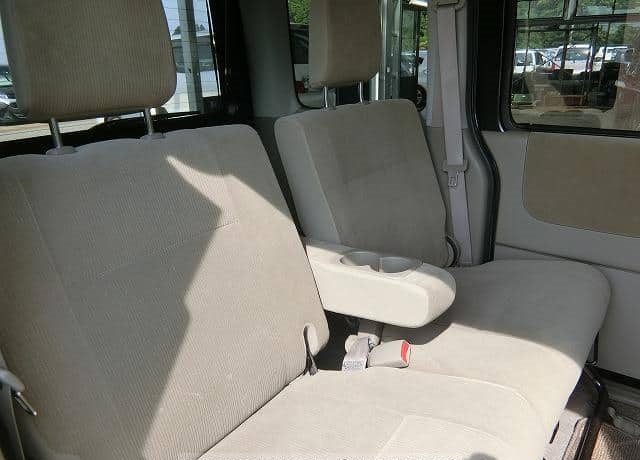
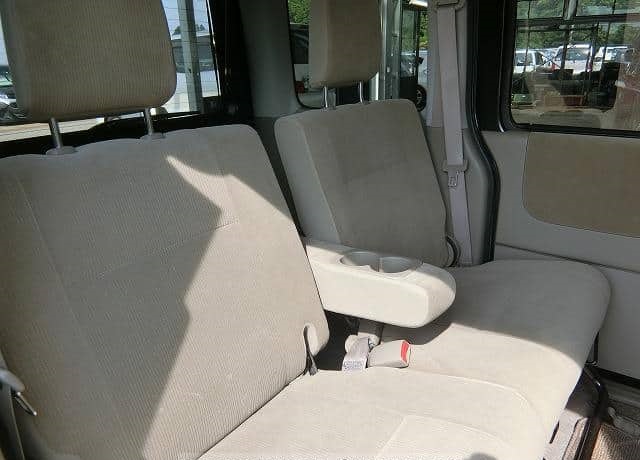
For SUBARU enthusiasts, ensuring that your vehicle performs optimally and retains its value is paramount. The 2012 SUBARU DIAS WAGON is a popular choice for drivers seeking reliability and efficiency. However, to maintain its performance, confirming the use of genuine parts and quality service is essential. In this article, we will explore the steps you can take to ensure that you are using genuine parts and receiving quality service for your Subaru.
Step 1: Understanding Genuine Parts
Genuine parts, or OEM (Original Equipment Manufacturer) parts, are the exact components produced by the manufacturer of your vehicle. These parts are designed specifically for Subaru vehicles and are made to meet the same quality and performance standards. When seeking out replacement parts for your 2012 Subaru Dias Wagon, it’s crucial to understand the difference between genuine parts and aftermarket parts.
Benefits of Using Genuine Parts
Quality Assurance: Genuine parts are made with high-quality materials and processes, ensuring longevity and reliability.
Perfect Fit: These parts are engineered to fit your vehicle seamlessly, minimizing problems during installation and operation.
Warranty Protection: Using genuine parts can help maintain your vehicle’s warranty, preserving your investment’s value.
Step 2: Where to Find Genuine Parts
To source genuine parts for your Subaru Dias Wagon, consider the following options:
Authorized Subaru Dealerships
Your first stop should be an authorized Subaru dealership. They can provide you with OEM parts that are guaranteed to fit your vehicle perfectly. Staffed by trained professionals, dealerships often have access to the latest parts and updates for your car.
Online Retailers
Several reputable online retailers specialize in automotive parts. Ensure these retailers are authorized Subaru dealers or affiliated with Subaru to confirm that the parts sold are genuine. Read reviews and check for return policies before making any purchases.
Forums and Subaru Clubs
Subaru clubs and enthusiast forums can also be a useful resource for acquiring genuine parts. Members often sell parts they no longer need or can direct you to trusted suppliers.
Step 3: Ensuring Quality Service
Once you have sourced your genuine parts, the next step is ensuring quality service when it comes to installation. Here is how you can do that:
Choosing a Qualified Mechanic
Not all mechanics possess the expertise needed for Subaru vehicles. Select a mechanic who specializes in Subaru models or has substantial experience with them. Look for reviews and testimonials from previous customers to ascertain their quality of service.
Service Documentation
Always ask for detailed service documentation after any maintenance or repair work. This should include information on the parts used, labor performed, and recommendations for future service dates. Keep this documentation for your records, as it can be valuable for maintaining your vehicle’s resale value.
Step 4: Regular Maintenance Checks
Regular maintenance is vital for the longevity of your Subaru Dias Wagon. Follow the manufacturer’s service schedule as closely as possible. This includes oil changes, fluid level checks, brake inspections, tire rotations, and other routine services. Establishing a relationship with your mechanic can also help to ensure they are familiar with your vehicle, making them more adept at identifying potential issues early on.
Using Diagnostic Tools
Investing in diagnostic tools or utilizing professional diagnostic services can help identify parts that need replacing or maintenance before they result in significant problems. Many local shops have access to professional-grade diagnostic equipment that provides detailed insights into your vehicle’s condition.
Final thoughts
Ensuring that your 2012 Subaru Dias Wagon receives genuine parts and quality service is essential for maintaining its reliability and performance. By understanding the value of genuine parts, sourcing them through reputable suppliers, ensuring skilled service, and adhering to regular maintenance routines, you can extend the life of your vehicle and enjoy many trouble-free miles. Remember, taking the time to confirm the authenticity of your parts and the quality of your service will pay off in the long run.
Frequently Asked Questions (FAQs)
1. How can I tell if a part is genuine or aftermarket?
The best way to confirm a part’s authenticity is to purchase from authorized Subaru dealers or reputable online retailers that specialize in OEM parts. Genuine parts usually come with packaging that includes the Subaru logo and part numbers.
2. What are the signs that I need to replace parts in my Subaru Dias Wagon?
Common signs include unusual noises, warning lights on the dashboard, decreased performance, and excessive wear on tires or brakes. Regular inspections can help identify these issues early.
3. Is it worth it to pay more for genuine parts?
Yes, while genuine parts may cost more initially, they offer better fit and quality, reducing the risk of future problems and costs associated with aftermarket parts failing prematurely.
4. How often should I have my Subaru serviced?
It’s best to follow the manufacturer’s service schedule outlined in the owner’s manual, typically every 6,000 to 8,000 miles for regular maintenance.
Buying a SUBARU is an investment in quality and reliability. When it comes to maintaining your vehicle or upgrading its parts, ensuring that you source genuine Subaru parts is paramount....
The fuel efficiency of the 2006 Subaru Dias Wagon has garnered interest among urban drivers in Uganda, where traffic congestion and fuel costs are significant considerations. This vehicle, known for...
The Subaru Dias Wagon 2009, a compact multi-purpose vehicle, presents unique advantages and challenges for navigating Uganda’s diverse road conditions. With its all-wheel-drive capability, it offers improved traction, which is...
Introduction When it comes to assessing a vehicle’s condition, the alignment of body panels is one of the most critical aspects to evaluate. Panels that are misaligned, such as doors,...
Family owned dealership of new and pre-owned vehicles with several locations across the Uganda. Lowest prices and the best customer service guaranteed.
You're almost there, select at least one more to compare!
We use cookies to ensure that we give you the best experience on our website. If you continue to use this site we will assume that you are happy with it.
You can revoke your consent any time using the Revoke consent button.