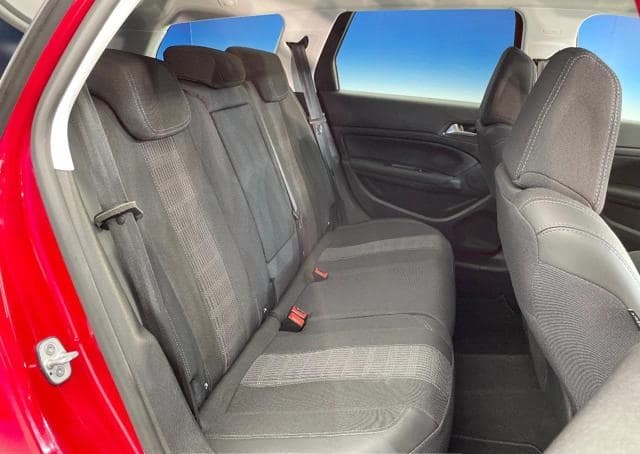
The 2019 PEUGEOT 308 SW HDi is a versatile station wagon known for its performance, comfort, and reliability. To maintain your vehicle’s optimal performance and longevity, it’s crucial to adhere to the manufacturer’s recommendations for servicing and maintenance. This article provides a general guideline on when to replace belts, filters, brake parts, and more.
Understanding Maintenance Needs
Regular maintenance is key to ensuring your 308 SW HDi remains in excellent condition. The owner’s manual provides detailed information, but there are general recommendations that can be applied across various driving conditions.
1. Engine Oil and Oil Filter
Engine oil is vital for lubricating the engine components, minimizing wear, and enhancing performance. The oil should be changed every 10,000 miles or every 12 months, whichever comes first. Additionally, the oil filter should be replaced with every oil change to ensure contaminants are removed effectively.
2. Air Filter
The air filter plays a crucial role in preventing dirt and debris from entering the engine. It’s advised to replace the air filter every 20,000 miles or every two years. However, if you drive in dusty conditions, consider inspecting and replacing it more frequently.
3. Fuel Filter
A clean fuel filter is essential for optimal engine performance and fuel efficiency. For the 2019 PEUGEOT 308 SW HDi, it is recommended to replace the fuel filter every 30,000 miles or every three years, depending on driving habits.
4. Timing Belt
The timing belt is critical for synchronizing the engine’s components. It’s crucial to replace it every 60,000 to 80,000 miles, as a failed timing belt can lead to severe engine damage. Always follow the specific guidance in your owner’s manual for exact replacement intervals.
5. Serpentine Belt
The serpentine belt drives multiple components like the alternator and power steering pump. It’s recommended to inspect this belt regularly for signs of wear and replace it approximately every 50,000 to 70,000 miles.
6. Brake Pads and Discs
Brakes are critical for safety. The lifespan of brake pads can vary widely based on driving style, but a reasonable estimate is to replace them every 30,000 to 70,000 miles. Each inspection should also include checking the brake discs for wear, which may need replacement at the same time as the pads or sooner depending on their condition.
7. Tires
Tires should be regularly inspected for tread depth, wear patterns, and pressure. It’s advisable to rotate them every 5,000 to 7,500 miles to ensure even wear and to replace them when the tread depth reaches below 2/32 of an inch or as recommended by a professional sometime between 25,000 to 50,000 miles, depending on driving conditions and tire quality.
8. Battery
The battery can show signs of wear, such as slow engine cranking or dimming lights. Typically, car batteries last about 3 to 5 years. Regularly cleaning the battery terminals and checking the charge can help extend its life.
Final thoughts
Following the manufacturer’s recommendations for servicing and maintenance of your 2019 Peugeot 308 SW HDi is crucial for preserving your vehicle’s efficiency, safety, and overall performance. Regularly scheduled maintenance not only prevents costly repairs but also enhances the driving experience and can increase the resale value of your vehicle. Always consult your owner’s manual for specific recommendations and consider working with a qualified mechanic to ensure your vehicle remains in great shape.
FAQs
1. How often should I service my Peugeot 308 SW HDi?
It is recommended to service your Peugeot 308 SW HDi every 10,000 miles or once a year, whichever comes first. Always consult your owner’s manual for specific intervals based on your driving conditions.
2. What are the signs that my car needs new brake pads?
Signs include squeaking or grinding noises when braking, a soft or spongy brake pedal, and vibrations during braking. If you notice any of these symptoms, have the brakes inspected immediately.
3. How can I know when my timing belt needs to be replaced?
Check your owner’s manual for specific replacement intervals, typically every 60,000 to 80,000 miles. If you experience unusual noises from the engine or if the vehicle has trouble starting, have it checked as it may indicate a timing belt issue.
4. What should I do if my check engine light comes on?
If the check engine light illuminates, it is advised to have a professional diagnostic test performed to determine the underlying issue. Ignoring it can lead to more significant problems down the line.
Accessory belts play a critical role in the operational efficiency of your vehicle. These belts are responsible for driving various components, such as the alternator, power steering pump, water pump,...
The PEUGEOT 308 SWHDI 2019 has garnered attention for its compact design and modern features, making it a noteworthy option for those considering long-distance travel in Uganda. With a focus...
The PEUGEOT 308 TV 2020 stands out in Uganda’s automotive landscape with its blend of style, performance, and advanced technology. Featuring a sleek design that resonates with contemporary tastes, this...
As an experienced car inspector in Uganda, I understand the diverse needs of vehicle buyers and drivers in our unique environment. When considering the PEUGEOT 308 2011, it’s essential to...
Family owned dealership of new and pre-owned vehicles with several locations across the Uganda. Lowest prices and the best customer service guaranteed.
You're almost there, select at least one more to compare!
We use cookies to ensure that we give you the best experience on our website. If you continue to use this site we will assume that you are happy with it.
You can revoke your consent any time using the Revoke consent button.