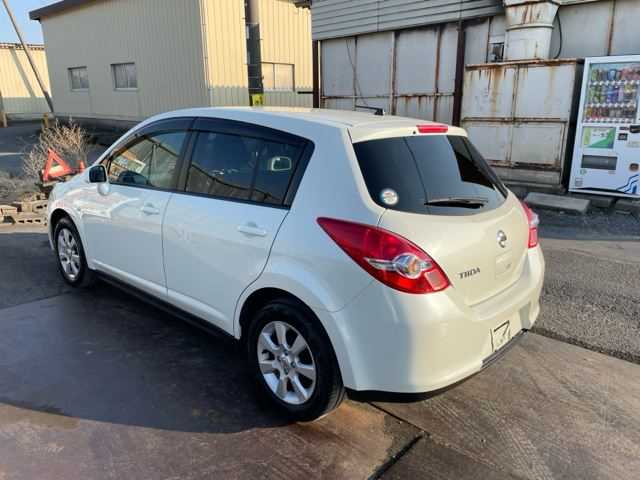
Exterior body panels are the outermost components of a vehicle, providing not only an aesthetic appeal but also functional benefits. These panels encompass various surfaces that form the car’s exterior, including doors, hoods, fenders, bumpers, and roofs. They play a crucial role in protecting the car’s inner components, improving aerodynamics, and contributing to the vehicle’s overall weight and structural integrity.
Types of Exterior Body Panels
Exterior body panels can be made from various materials, and their classification is typically based on both material and location on the vehicle. Here are the most common types:
Steel Panels: Durable and traditionally used in vehicle manufacturing, steel panels provide superior strength and resistance to damage.
Aluminum Panels: Lighter than steel, aluminum panels are becoming increasingly popular due to their ability to enhance fuel efficiency.
Plastic Panels: Often used for bumpers and fenders, plastic panels are lightweight and can be molded into complex shapes.
Composite Panels: Made from a combination of materials, composites offer unique properties like reduced weight and improved corrosion resistance.
The Role of Exterior Body Panels
The exterior body panels serve several essential functions:
Aesthetics: They give the vehicle its shape and style. Consumers often choose vehicles based on their exterior design.
Protection: Panels protect the car’s internal mechanisms from weather, debris, and other external elements.
Safety: In the event of a collision, exterior body panels can help absorb impact and protect passengers.
Aerodynamics: Body panels are designed to reduce air resistance, thereby improving fuel efficiency.
Manufacturing Process
The process of manufacturing exterior body panels involves several critical steps. Most commonly, manufacturers use processes like stamping and molding, depending on the material used.
Stamping: This process involves pressing metal sheets into desired shapes using a die. It’s widely used for steel and aluminum panels.
Molding: For plastic and composite panels, manufacturers often use injection or blow molding techniques to create complex shapes.
Finishing: Once the panels are shaped, they undergo painting and coating processes to enhance durability and appearance.
Repair and Replacement
Over time, exterior body panels may suffer from wear, dents, rust, or scratches. Repairing or replacing damaged panels is critical for maintaining the vehicle’s appearance and structural integrity. Depending on the extent of damage, options include:
Dent Repair: Minor dents can often be repaired using techniques such as paintless dent repair (PDR).
Repainting: Scratched or worn panels may simply need a fresh coat of paint.
Full Replacement: Severely damaged panels might need replacing, which involves sourcing and fitting new parts.
Final thoughts
Exterior body panels are vital components of automobiles that not only contribute to the vehicle’s aesthetics but also play critical roles in protection, safety, and aerodynamics. Understanding the types, roles, and manufacturing processes of these panels can help consumers make informed decisions regarding vehicle maintenance and repair. As automotive technology continues to evolve, so do the materials and processes used in creating exterior body panels, paving the way for lighter, more durable, and environmentally friendly options.
FAQs
1. What materials are commonly used for exterior body panels?
The most common materials include steel, aluminum, plastic, and composite materials. Each has its strengths and weaknesses regarding weight, durability, and cost.
2. How often should I check my vehicle’s exterior panels for damage?
It’s advisable to inspect your vehicle regularly, especially after harsh weather conditions or accidents. Timely checks can ensure that any damage is addressed before it worsens.
3. Can I replace exterior body panels myself?
While minor repairs can often be done at home, replacing exterior body panels usually requires professional help due to the complexities involved in ensuring proper fit and alignment.
4. How can I prevent rust on my vehicle’s exterior panels?
Regular washing, applying wax, and addressing any scratches or chips promptly can help prevent rust formation on your vehicle’s exterior panels.
5. What is paintless dent repair (PDR)?
PDR is a method of removing minor dents and dings from metal panels without the need for repainting. It involves manipulating the metal back to its original shape from behind the panel.
When purchasing a car or inspecting the exterior of a vehicle, one key aspect to consider is the alignment of the body panels. Uneven gaps between body panels can signal...
In the world of automobiles, comfort and space are two of the most significant factors influencing consumer choice. When considering a vehicle, many buyers often prioritize ample legroom and headroom...
If you’re in the market for a used car, specifically the 2012 NISSAN TIIDA, checking online listings is an essential step to ensure you’re getting a fair deal. The advent...
The Nissan Tiida 2012 has garnered attention in Uganda for its compact design and fuel efficiency, making it a potentially appealing choice for local drivers. Given the country’s diverse terrain,...
Family owned dealership of new and pre-owned vehicles with several locations across the Uganda. Lowest prices and the best customer service guaranteed.
You're almost there, select at least one more to compare!
We use cookies to ensure that we give you the best experience on our website. If you continue to use this site we will assume that you are happy with it.
You can revoke your consent any time using the Revoke consent button.