


Introduction
The VQ-series engine, produced by NISSAN, has built a reputation over the years for its reliability and longevity. From its debut in the late 1990s, the VQ series has powered numerous vehicles, attracting a diverse audience ranging from everyday commuters to performance enthusiasts. When properly maintained, this engine family does not just provide dependable power; it often lasts well beyond typical mileage expectations. This article will delve into the design, features, advantages of the VQ series, along with essential maintenance tips for maximizing its lifespan.
What Makes the VQ-Series Engine Special?
The VQ-series engine is a V6 engine family, characterized by its lightweight design and high performance. It is typically available in displacements from 3.0 to 4.0 liters. Below are some key features that have contributed to its reputation:
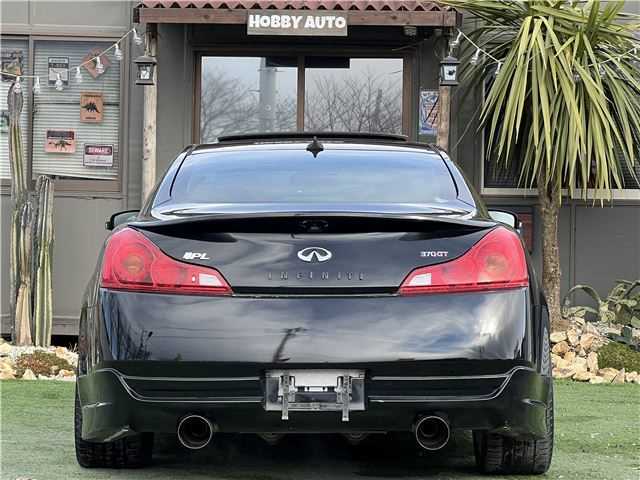
- Aluminum Block: Reduces weight, enhancing performance and efficiency.
- DOHC Design: Dual overhead camshafts allow for better airflow, improving performance across the power band.
- Variable Valve Timing: This feature optimizes power delivery and fuel efficiency.
- Resilient Construction: The materials used in the engine are designed to withstand wear and tear over time.
Reliability and Longevity of the VQ-Series Engine
The VQ series has garnered high marks for reliability due to its solid construction and proven engineering principles. Owners often report that when maintained correctly, these engines can operate well beyond the 200,000-mile mark. The following factors contribute to this longevity:
- Regular Oil Changes: Keeping the engine well-lubricated is essential. Regular oil changes help remove contaminants and reduce engine wear.
- Timing Chain System: The VQ engine uses a timing chain instead of a timing belt, which typically requires less frequent replacement, lowering maintenance costs.
- Cooling System: A well-functioning cooling system prevents overheating, a common factor leading to engine failure.
- High-Quality Parts: Utilizing quality replacement parts helps maintain the engine’s performance and reliability.
Essential Maintenance Tips
To reap the benefits of the VQ-series engine’s reliability and longevity, owners should adhere to the following maintenance tips:
- Change Oil Regularly: Follow the manufacturer’s recommendations for oil change intervals. This is usually every 5,000 to 7,500 miles, depending on driving conditions.
- Monitor Engine Temperature: Keep an eye on the temperature gauge. If the engine operates at higher temperatures than normal, investigate the cause and remedy it immediately.
- Inspect Belts and Hoses: Regularly check for signs of wear or cracking. Replace any worn components as necessary to prevent failure.
- Keep the Fuel System Clean: Use high-quality fuel and consider periodic fuel system cleaning. This helps maintain optimal engine performance.
- Perform Regular Tune-Ups: Replace spark plugs and air filters as recommended. A well-tuned engine operates more efficiently and reliably.
Final thoughts
The VQ-series engine exemplifies the importance of proper maintenance in achieving reliability and longevity. With its robust design and performance-oriented features, it stands out as a popular choice for many vehicle models. However, its true potential is only realized when owners commit to regular maintenance practices. By following the guidelines outlined in this article, drivers can ensure that their VQ engines not only last for years but also perform at their best throughout their lifespan.

FAQs
What vehicles are equipped with the VQ-series engine?
The VQ-series engine has been used in various Nissan and INFINITI models, including the Nissan 350Z, Altima, Maxima, and the Infiniti G35 and G37.
How often should I change the oil in my VQ engine?
It is generally recommended to change the oil every 5,000 to 7,500 miles, but always refer to your vehicle’s owner’s manual for specific recommendations.
Are there common problems associated with the VQ-series engine?
While the VQ engine is reliable, some common issues can arise, such as oil consumption, timing chain issues in older models, and sensor failures. Regular maintenance can help mitigate these problems.

Can I increase the performance of my VQ engine?
Yes, many enthusiasts upgrade components such as exhaust systems, intake systems, and ECU tuning to improve performance. Always consult with a professional mechanic for recommendations that suit your driving needs.


