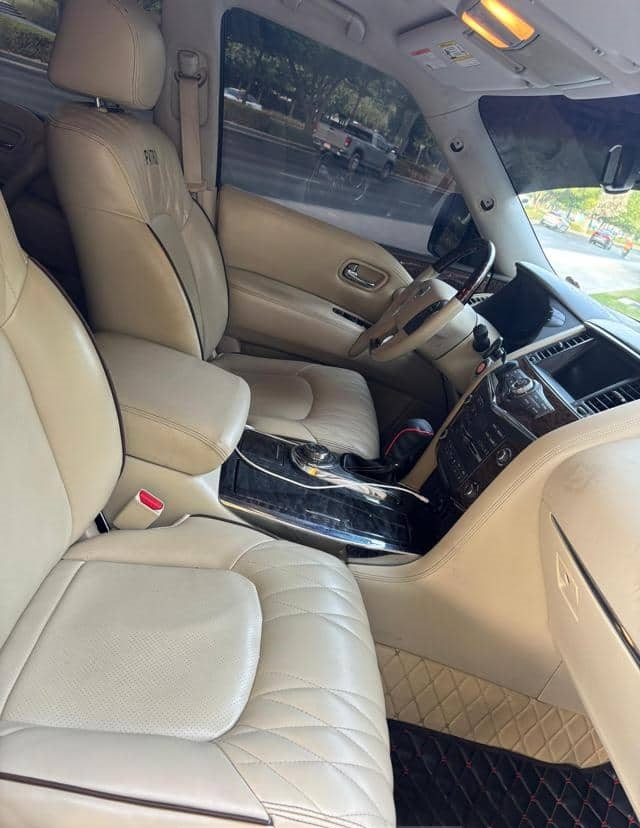
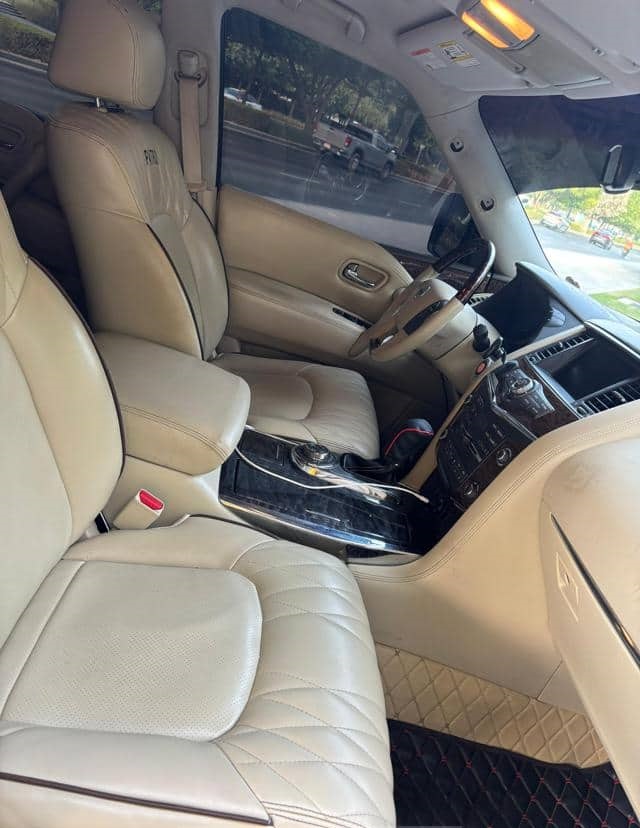
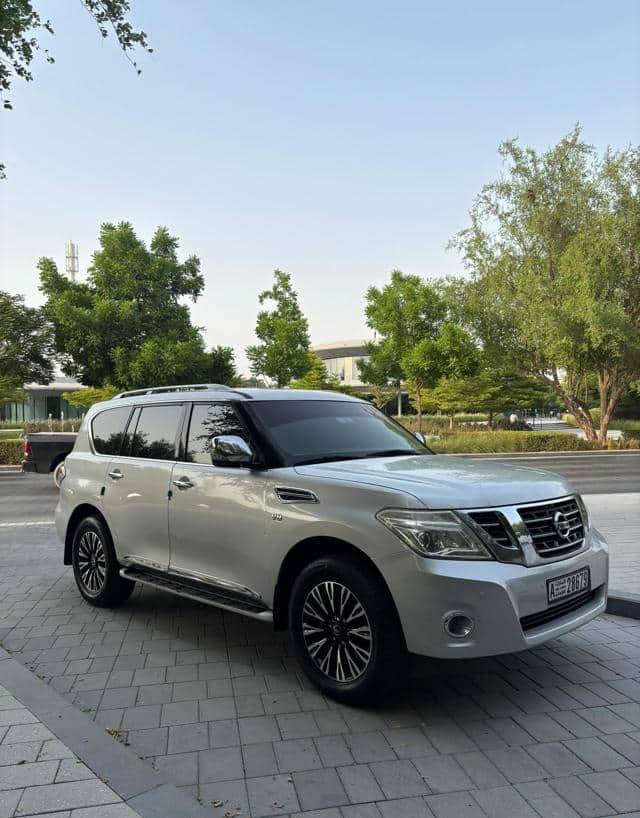
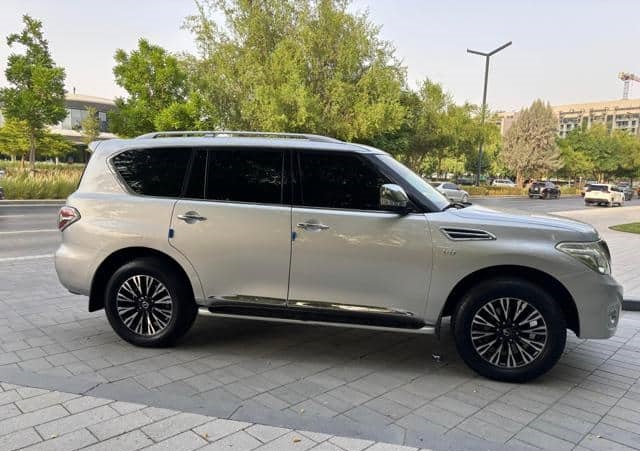
The 2013 NISSAN PATROL is a robust and capable SUV, designed for both off-road adventures and urban commuting. When starting the vehicle, particularly in cold conditions, it’s essential to monitor its performance during the cold idle phase. Here are several key areas to focus on:
1. Engine Start-Up
Upon starting the 2013 NISSAN Patrol, the sound and smoothness of the engine are critical indicators of its overall health. Listen for unusual noises such as knocking or sputtering, which might indicate underlying issues. Also, take note of how long it takes for the engine to start; a sluggish start could signal battery or starter motor problems.
2. Idle Speed
The idle speed of the engine upon cold start should be higher than the normal operating range. This allows the engine to warm up efficiently. Expect an idle speed of approximately 1,000 to 1,200 RPM during cold starts, which should gradually decrease as the engine temperature rises. If the RPM remains excessively high or low, it might point to idle control issues or vacuum leaks.
3. Smoke Emissions
During cold idle, it’s common for vehicles to emit some smoke, especially blue or white smoke. A small amount of white smoke, particularly in cooler temperatures, can stem from condensation. However, excessive blue smoke could indicate oil burning, while thick white smoke may point to coolant leaks. Monitor the emissions closely, as they can be telltale signs of serious engine problems.
4. Temperature Gauge
Keeping an eye on the temperature gauge is essential during the cold idle phase. It should gradually rise as the engine warms up. If the temperature gauge spikes too quickly or doesn’t move at all, it could indicate a faulty thermostat or a sensor issue, both vital for the efficient functioning of your vehicle.
5. Warning Lights
Pay attention to the dashboard warning lights when starting your Nissan Patrol. The Check Engine light should illuminate briefly and turn off once the engine is running smoothly. If it remains on or flickers, it indicates that the vehicle’s onboard diagnostics have detected a problem that needs further investigation.
6. Fluid Leaks
Before starting the engine or shortly after, inspect the area beneath the vehicle for any signs of fluid leaks. Common fluids to check for include engine oil, coolant, or transmission fluid. An unexpected pool of fluid can be an alarming sign of potential mechanical issues that might require immediate attention.
7. Exhaust Smell
A distinctive exhaust smell is another indicator of engine performance. While some odors are normal (for example, unburned fuel smell dissipating after a few moments), persistent strong odors may highlight issues with the combustion process or fuel delivery system. A burnt smell is particularly concerning and necessitates professional assessment.
8. Accessories Functionality
Finally, check that the vehicle’s accessories work correctly during the cold idle. This includes the heater, air conditioning, and electrical features (like lights and wipers). Inconsistent function may point to electrical problems that could impact vehicle performance down the line.
Final thoughts
Monitoring the performance of your 2013 Nissan Patrol during cold idle is crucial to ensuring its longevity and reliability. By focusing on key areas such as start-up sound, idle speed, smoke emissions, temperature gauge behavior, warning lights, fluid leaks, exhaust smells, and accessory functionality, you can identify potential issues early. Regular checks and maintenance will not only enhance your driving experience but also save you costly repairs in the future. Always consult a qualified mechanic if you notice anything unusual, especially during cold weather conditions.
FAQs
Q1: Why does my Nissan Patrol take longer to start in cold weather?
A1: Cold temperatures can affect battery performance and engine oil viscosity, making it harder to start. Additionally, fuel systems may also struggle, particularly if there are any pre-existing issues.
Q2: What should I do if my dashboard warning lights stay on?
A2: If warning lights remain illuminated after starting the vehicle, it’s advisable to have a diagnostic test done by a professional mechanic to determine the underlying issues.
Q3: How often should I check my vehicle’s fluids?
A3: It’s recommended to check your vehicle’s fluids at least monthly or before long trips. Regular checks will help in maintaining optimal engine performance and identifying leaks early.
Q4: Is it normal for my vehicle to emit smoke during a cold start?
A4: Yes, some smoke is common due to condensation. However, if the smoke is excessive or changes color, it can indicate a serious problem, and you should consult a mechanic.
Q5: Can I drive my Nissan Patrol with warning lights on?
A5: It depends on the warning light. While some are not critical and may not affect vehicle performance, others—such as the check engine light—could indicate serious problems that require immediate attention.
The resale value and depreciation of a vehicle are significant factors to consider when purchasing a car. The 2016 NISSAN PATROL, a full-sized SUV known for its off-road capabilities, offers...
The NISSAN PATROL has long been a cornerstone in the SUV segment, known for its ruggedness and luxurious comfort. As we look toward the 2025 model, NISSAN has unveiled a...
Family owned dealership of new and pre-owned vehicles with several locations across the Uganda. Lowest prices and the best customer service guaranteed.
You're almost there, select at least one more to compare!
We use cookies to ensure that we give you the best experience on our website. If you continue to use this site we will assume that you are happy with it.
You can revoke your consent any time using the Revoke consent button.