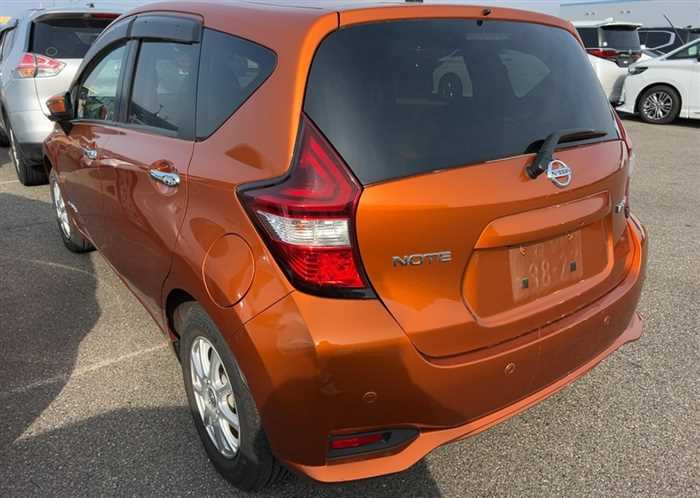
The 2016 NISSAN NOTE is a popular compact car known for its practicality and efficiency. However, like any vehicle, it may suffer from various mechanical issues that can result in unexplained noises and vibrations. Understanding these symptoms is crucial for diagnosing problems early. This guide will help you troubleshoot potential causes and equip you with knowledge to address them effectively.
Common Causes of Noises and Vibrations
Drivers of the 2016 NISSAN Note may report different types of noises ranging from clunks and rattles to buzzing and grinding. Understanding the nature of these noises can help pinpoint the underlying issues. Below are some common causes:
1. Worn Suspension Components
One of the most frequent sources of noise and vibrations in any vehicle, including the Nissan Note, can be worn or damaged suspension components. This issue can manifest as clunking noises when driving over bumps or making turns. Signs of trouble could include:
Excessive body roll during cornering
Difficult steering responses
Uneven tire wear
2. Tire Problems
Worn-out or improperly inflated tires can produce noise and affect the ride quality. Additionally, unbalanced tires can lead to vibrations felt through the steering wheel or the floor of the vehicle. Ensure to regularly check:
Tire pressure
Tread depth
Signs of uneven wear
3. Engine Issues
Noises coming from the engine bay can indicate a range of issues. Common symptoms include:
Ticking or clicking sounds, possibly indicating issues with the oil or valve lifters.
Rattling noises, which may suggest loose components or failing exhaust mounts.
If you notice such sounds, it’s advisable to have the engine checked by a qualified technician. Engine vibrations can also arise from misfiring spark plugs or an unbalanced engine.
4. Transmission Problems
The transmission can be a source of worrying vibrations, especially if it exhibits harsh shifts. You may experience:
Abnormal whining or grinding noises during gear changes
Shuddering sensations during acceleration
Proper maintenance, including fluid changes, is crucial for transmission longevity, so ensure to follow your vehicle’s service schedule rigorously.
5. Brake System Issues
Noises while braking, such as squealing or grinding, can indicate worn brake pads or rotors. Additionally, vibrations during braking may suggest warped rotors. Regular brake inspections can help avoid these issues.
Troubleshooting Steps
To identify the source of noises and vibrations in your 2016 Nissan Note, follow these steps:
Listen Carefully: Note when and how the noise occurs – while accelerating, turning, or braking.
Inspect the Tires: Check for uneven wear and pressure. Rotate or replace tires as necessary.
Check Suspension: Look for visible signs of damage in shock absorbers, struts, and bushings.
Examine the Engine Bay: Check for loose components and ensure all belts are intact.
Visit a Professional: If the issue persists, consult with a qualified mechanic for a thorough diagnostic.
Final thoughts
Addressing noises and vibrations in your 2016 Nissan Note is not just about comfort; it significantly impacts safety and vehicle longevity. Regular maintenance, listening carefully to different sounds, and proactive troubleshooting can prevent minor issues from escalating. If problems persist, don’t hesitate to consult a professional to ensure your vehicle runs smoothly.
FAQs
1. What should I do if I hear a rattling noise when driving?
A rattling noise could be due to various components such as the suspension, exhaust, or heat shields. Inspect these areas first and consult a mechanic if you cannot pinpoint the cause.
2. How often should I check my tire pressure?
It’s advisable to check your tire pressure at least once a month and before long trips, as pressure can fluctuate due to temperature changes and driving conditions.
3. Can low engine oil cause vibrations?
Yes, low engine oil can contribute to vibrations as it affects engine performance. Regularly checking and changing your oil is essential to prevent engine damage.
4. Are vibrations always a sign of a serious problem?
Not necessarily. While some vibrations indicate potential issues, they may sometimes arise from unbalanced tires or minor problems that are easy to resolve. Always diagnose the source to ensure safety.
5. How can I improve the longevity of my vehicle?
Regular maintenance, including oil changes, tire rotations, and brake inspections, combined with addressing issues promptly, will significantly enhance your vehicle’s longevity and performance.
Introduction The suspension system of a vehicle is crucial for ensuring smooth rides, vehicle handling, and overall safety. Among its various components are control arms, bushings, struts, and shocks. Regular...
Pinging, often referred to as engine knock or detonation, is an issue that car enthusiasts and everyday drivers may encounter. It is characterized by a knocking or pinging sound that...
When it comes to purchasing a new vehicle, one of the pivotal factors to consider is the trim level. Trim levels refer to the different iterations of a vehicle model,...
The suspension system of a vehicle is crucial for maintaining a smooth ride and ensuring safe handling. Regular suspension inspection is essential for identifying issues that may compromise your vehicle’s...
Family owned dealership of new and pre-owned vehicles with several locations across the Uganda. Lowest prices and the best customer service guaranteed.
You're almost there, select at least one more to compare!
We use cookies to ensure that we give you the best experience on our website. If you continue to use this site we will assume that you are happy with it.
You can revoke your consent any time using the Revoke consent button.