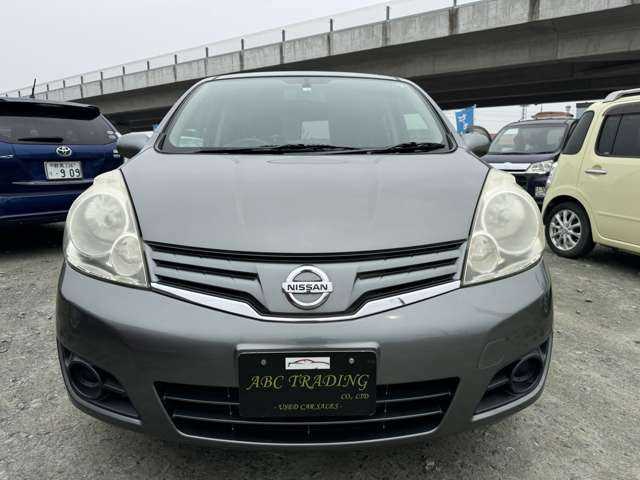
The NISSAN NOTE is a compact car that has been popular among drivers for its reliability and efficiency. Like many modern vehicles, the 2012 NISSAN Note features a range of dashboard warning lights that communicate important information about the car’s condition. Understanding these warning lights is crucial for maintaining your vehicle’s health and ensuring a safe driving experience. Here’s a summary of some common warning lights you may see in your Nissan Note and what they indicate.
Common Dashboard Warning Lights
1. Engine Warning Light
The engine warning light, often represented by a silhouette of an engine, is one of the most critical warning indicators on your dashboard. If this light illuminates, it indicates that there is a problem with the engine or emissions system. It’s advisable to take your vehicle to a mechanic as soon as possible to prevent further damage.
2. Oil Pressure Warning Light
This light looks similar to an oil can and serves to alert you that the engine may not be receiving adequate oil pressure. This could mean that your oil level is low, or there could be a more severe issue such as an oil leak. If the oil pressure light comes on while driving, it’s essential to pull over and turn off the engine immediately to avoid serious engine damage.
3. Battery Warning Light
The battery warning light, shaped like a battery, indicates issues with the charging system. This could signify that the battery needs to be replaced or that there are problems with the alternator. If this light turns on, it’s crucial to check your battery and charging system to avoid being stranded due to a dead battery.
4. Brake Warning Light
The brake warning light can indicate several issues, such as low brake fluid or that the parking brake is engaged. If the light remains illuminated while driving, it’s important to address it immediately. Check the brake fluid level and make sure the parking brake is released before seeking professional assistance.
5. Tire Pressure Warning Light
This light resembles a horseshoe with an exclamation mark and signals that one or more tires may be under-inflated. Maintaining proper tire pressure is essential for safety and fuel efficiency. If this light comes on, check your tire pressures as soon as possible and inflate them to the manufacturer’s recommended levels.
6. ABS Warning Light
The Anti-lock Braking System (ABS) warning light looks like the letters “ABS” in a circle. If this light turns on, it indicates an issue with your vehicle’s ABS, which prevents the wheels from locking up during braking. While you can still drive if this light is on, your ABS may not function correctly, and it’s advisable to have it checked.
7. Airbag Warning Light
This light indicates that there may be a fault in the airbag system, which could impair the airbag’s deployment in the event of an accident. The airbag warning light typically resembles a person sitting in a seat with a circle in front of them. If this light is on, it’s crucial to have the airbag system inspected as soon as possible for your safety.
Similar to the engine warning light, the check engine light (often an engine symbol) indicates that the vehicle’s engine management system has detected a fault. This may be a minor issue, such as a loose gas cap, or something more significant that requires immediate attention. Diagnostic tools are often necessary to pinpoint the specific issue, so it’s best to have a professional evaluate the situation.
Final thoughts
Understanding the various warning lights on the dashboard of your 2012 Nissan Note can save you from costly repairs and enhance your safety on the road. Each light serves an important function, alerting you of potential issues that need immediate attention. It’s always recommended to consult your owner’s manual or a professional mechanic if you are unsure about a particular warning light. Regular maintenance and prompt attention to these signals will help ensure your vehicle continues to operate smoothly.
FAQs
1. What should I do if a warning light turns on while I’m driving?
If a warning light turns on while driving, take note of which light it is and assess whether it indicates a critical issue. In general, it’s best to pull over safely and turn off the engine. Consult your owner’s manual for specific guidance on how to proceed.
2. Can I drive my 2012 Nissan Note with the check engine light on?
While you may be able to drive with the check engine light on, it’s advisable to address the issue as soon as possible, as it may indicate a problem that could worsen over time. If the light is flashing, it’s crucial to stop immediately and seek professional assistance.
3. How often should I check my vehicle’s warning lights?
You should regularly check your dashboard when starting your vehicle. Most warning lights should turn on briefly during start-up and then turn off. If a light remains on or comes back on while driving, investigate the issue.
4. Where can I find more information about my Nissan Note’s warning lights?
For more detailed information, refer to your vehicle’s owner’s manual. You can also consult your local Nissan dealership or a trusted mechanic for professional advice.
Introduction The suspension system of a vehicle is crucial for ensuring smooth rides, vehicle handling, and overall safety. Among its various components are control arms, bushings, struts, and shocks. Regular...
Pinging, often referred to as engine knock or detonation, is an issue that car enthusiasts and everyday drivers may encounter. It is characterized by a knocking or pinging sound that...
When it comes to purchasing a new vehicle, one of the pivotal factors to consider is the trim level. Trim levels refer to the different iterations of a vehicle model,...
The suspension system of a vehicle is crucial for maintaining a smooth ride and ensuring safe handling. Regular suspension inspection is essential for identifying issues that may compromise your vehicle’s...
Family owned dealership of new and pre-owned vehicles with several locations across the Uganda. Lowest prices and the best customer service guaranteed.
You're almost there, select at least one more to compare!
We use cookies to ensure that we give you the best experience on our website. If you continue to use this site we will assume that you are happy with it.
You can revoke your consent any time using the Revoke consent button.