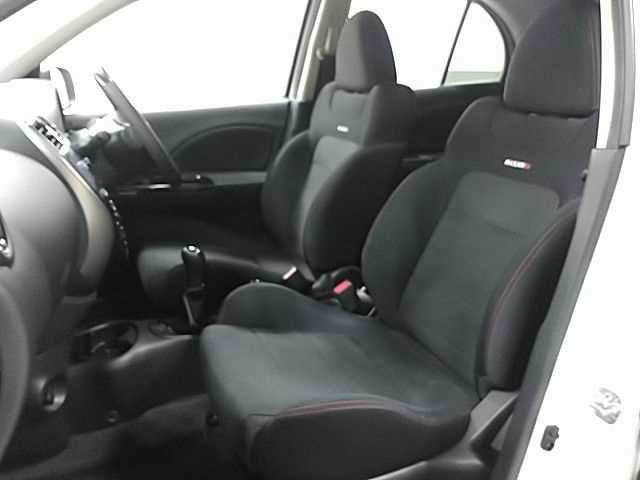
In our modern society, the importance of seating comfort cannot be overstated. Whether at home, in the workplace, or on the go, effective seating plays a critical role in our daily lives. Properly designed seating can reduce health risks, improve productivity, and enhance overall well-being.
The Importance of Seating Comfort
Seating comfort is not just about luxury or aesthetics. It has physiological and psychological implications as well. A comfortable seat helps maintain good posture, reduces physical strain, and enhances concentration, whether in an office, classroom, or a vehicle.
Understanding Ergonomics
To ensure maximum comfort, one must consider ergonomics – the study of people’s efficiency in their working environment. Ergonomic seating is designed based on the understanding of how the human body interacts with furniture and tools. Features such as adjustable height, lumbar support, and seat depth are crucial for promoting good posture and reducing discomfort.
Key Ergonomic Features to Look For
Adjustability: The ability to adjust seat height, backrest angle, and armrest height plays a significant role in achieving personalized comfort.
Lumbar Support: A chair that supports the natural curve of the lower back can prevent pain and strains.
Seat Depth: A seat that accommodates leg length, allowing feet to rest flat on the ground, enhances comfort.
Material: Breathable and cushioned materials can prevent heat buildup and maintain comfort over long periods.
Types of Seating
Seating can be categorized into various types, each serving different purposes. Here are some common types:
Office Chairs
Office chairs have become synonymous with the concept of ergonomic seating. They are designed for prolonged use in a sedentary environment, prioritizing lumbar support and adjustability.
Sofas and Recliners
In home settings, comfortable sofas and recliners provide a cozy atmosphere for relaxation. Choosing the right design and material can significantly impact your comfort level during leisure time.
Dining Chairs
Though usually less cushioned, good dining chairs should still offer comfort during meals. Look for chairs with suitable height and support to enjoy dining without discomfort.
Vehicle Seating
Comfortable seating in vehicles is essential for long trips. Car manufacturers are increasingly focusing on ergonomic designs that minimize fatigue during driving.
Creating a Comfortable Seating Arrangement
The arrangement of seating space can greatly affect comfort levels. Here are tips for creating a comfortable seating arrangement:
Space: Ensure that there is adequate space for movement to prevent a cramped feel.
Proximity: Position seats to encourage interaction but maintain comfortable distances.
Lighting: Good lighting complements seating comfort by reducing eye strain during prolonged sittings.
Maintaining Comfort During Long Periods
Even with the best quality seating, discomfort can arise from prolonged use. Here are strategies to maintain comfort during long periods of sitting:
Take Frequent Breaks: Stand up and stretch every hour to improve circulation.
Adjust Your Posture: Regularly reassess and adjust your posture to avoid developing bad habits.
Utilize Cushions: Adding cushions can significantly improve comfort and support.
Stay Hydrated: Adequate hydration helps maintain energy levels and comfort.
Final thoughts
Seating comfort is about finding the right balance between aesthetic appeal and functional support. Whether at home or in the workplace, prioritizing ergonomic design and maintaining a comfortable seating arrangement can make significant impacts on health and productivity. Invest time in understanding your seating needs and choose designs that promote long-lasting comfort, taking into account factors like adjustability and material. A small change in your seating can lead to a world of difference in how you feel and function daily.
FAQs
What is the best type of seating for home office use?
The best type is an ergonomic office chair that offers adjustable features, lumbar support, and sufficient cushioning to support long hours of sitting.
How often should I take breaks when sitting?
It’s recommended to take a break every 30 to 60 minutes to stretch or move around to prevent stiffness and improve circulation.
Can the material of the seating affect comfort?
Yes, materials impact comfort significantly. Breathable fabrics help in temperature control, while cushioning affects the overall feel of the seating.
Are recliners better than standard chairs?
Recliners can provide better comfort for relaxation, particularly for neck and back support. However, standard ergonomic chairs offer functionality for working environments.
In the world of manufacturing, automotive, electronics, and maintenance, part numbers are critical for identifying components and ensuring compatibility. Knowing how to check part numbers correctly can save both time...
When it comes to vehicles, comfort is an essential factor that can significantly enhance the overall driving experience. One of the critical elements contributing to a comfortable ride is the...
When it comes to maintaining your NISSAN vehicle, the importance of using genuine parts and services cannot be underestimated. One of the best ways to ensure that you are getting...
The NISSAN MARCH is a compact car appreciated for its fuel efficiency and reliable performance. To keep your vehicle running smoothly, it is essential to use genuine parts and quality...
Family owned dealership of new and pre-owned vehicles with several locations across the Uganda. Lowest prices and the best customer service guaranteed.
You're almost there, select at least one more to compare!
We use cookies to ensure that we give you the best experience on our website. If you continue to use this site we will assume that you are happy with it.
You can revoke your consent any time using the Revoke consent button.