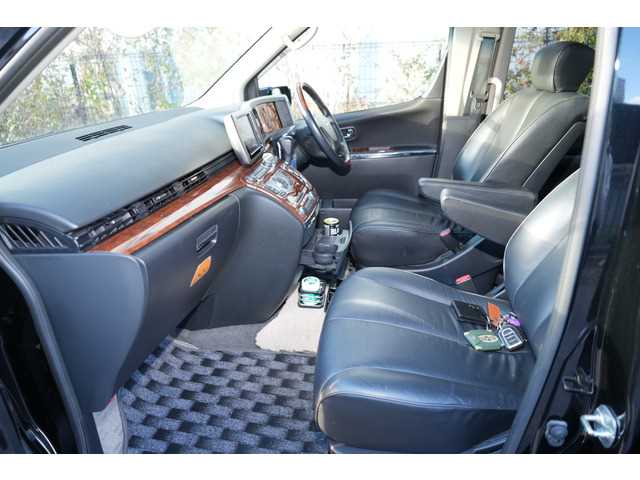
The 2009 NISSAN ELGRAND is a popular choice among families and those who appreciate a spacious and comfortable ride. Understanding the vehicle’s suspension, steering, and braking systems is crucial for maintaining safety and performance. This guide will provide essential steps for inspecting these components to ensure your Elgrand drives smoothly and safely.
1. Inspecting the Suspension System
The suspension system of the NISSAN Elgrand plays a pivotal role in ride quality and vehicle control. Here’s how to inspect it:
1.1 Visual Inspection
Begin with a visual inspection of the suspension components:
Check for any visible leaks around shock absorbers and struts.
Look for cracks or corrosion on control arms, bushings, and mounts.
Inspect the springs for any signs of sagging or breakage.
1.2 Bounce Test
Perform the bounce test by pushing down on each corner of the vehicle. If the car bounces more than twice before settling, it may indicate worn-out shocks or struts.
1.3 Alignment Check
Misalignment can affect tire wear and handling. Look for uneven tire wear and consider having a professional alignment check if you notice any issues.
2. Inspecting the Steering System
The steering system of the 2009 Nissan Elgrand is essential for maneuverability. Here’s how to inspect it:
2.1 Visual Inspection
Check the steering components:
Examine the tie rods for signs of wear or damage.
Inspect the steering gear for leaks and overall condition.
Check for excessive play in the steering wheel when the vehicle is stationary.
2.2 Steering Feel
During a test drive, assess the steering feel. The steering should be responsive and not exhibit any unusual noises or vibrations.
2.3 Fluid Levels
Check the power steering fluid level, ensuring it’s within the recommended range. Low fluid levels can lead to steering difficulties.
3. Inspecting the Braking System
The braking system is crucial for safety. Here’s how to inspect it:
3.1 Visual Inspection
Begin by visually inspecting brake components:
Check the brake pads for thickness; they should be at least 3mm thick.
Inspect the brake rotors for grooves, cracks, or warping.
Ensure there are no leaks in the brake lines.
3.2 Brake Test
Take the vehicle for a test drive. Pay attention to how the brakes feel:
They should engage smoothly without any grinding or squeaking noises.
Test for even braking; the car should not pull to one side when braking.
3.3 Brake Fluid
Inspect the brake fluid level and quality. If the fluid is dark or contaminated, it should be replaced.
Final thoughts
Regular inspection of the suspension, steering, and brakes of your 2009 Nissan Elgrand is vital for maintaining its performance and safety. By following the steps outlined in this guide, you can identify issues before they become serious problems. Always consult a professional mechanic if you notice anything unusual during your inspection. Keeping these systems in top condition will ensure a smooth ride for you and your passengers.
FAQs
1. How often should I inspect my vehicle’s suspension, steering, and brakes?
It is recommended to inspect these components at least once a year or during every tire change. However, if you notice any warning signs such as unusual noises or poor handling, inspect them immediately.
2. What are the signs of a failing suspension system?
Signs include a bumpy ride, excessive bouncing, uneven tire wear, and pulling to one side. If you experience any of these, have your suspension evaluated.
3. What should I do if my brakes are making a grinding noise?
A grinding noise when braking often indicates worn brake pads or rotors. It is crucial to have this inspected and repaired as soon as possible to maintain safety.
4. Can I perform these inspections myself?
While basic inspections can be done at home, it’s advisable to consult a professional mechanic for a thorough evaluation, especially if you’re not familiar with automotive systems.
5. How can I tell if my steering needs an alignment?
Common signs include uneven tire wear, the vehicle pulling to one side, or the steering wheel being off-center. If you notice these, it’s best to get an alignment check.
Automobiles have significantly evolved over the years, particularly in terms of safety technologies. Among these advancements, airbags play a crucial role in protecting occupants during various types of collisions. This...
<h1>Symptoms of Slipping Gears, Rough Shifting, and Delayed Engagement</h1><p>Driving a vehicle should generally be a smooth and comfortable experience. However, certain symptoms, such as slipping gears, rough shifting, and delayed...
The suspension system of your vehicle is crucial for maintaining comfort, control, and safety. This system consists of various components, including control arms, struts, and springs, which work together to...
Introduction Front airbags are critical components in modern vehicles, designed to protect the driver and front passenger in the event of a collision. Upon impact, these airbags deploy rapidly, acting...
Family owned dealership of new and pre-owned vehicles with several locations across the Uganda. Lowest prices and the best customer service guaranteed.
You're almost there, select at least one more to compare!
We use cookies to ensure that we give you the best experience on our website. If you continue to use this site we will assume that you are happy with it.
You can revoke your consent any time using the Revoke consent button.