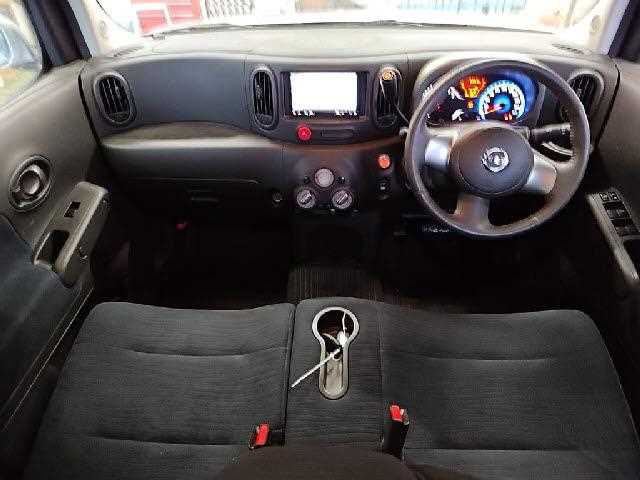
The Vehicle Identification Number (VIN) is a crucial identifier for any vehicle, acting as a unique alphanumeric code that provides important information about the vehicle’s history, specifications, and manufacturing details. Knowing how to locate your vehicle’s VIN is essential for car owners, whether you are selling your car, purchasing a used one, or needing details for insurance or registration purposes.
What is a VIN?
A VIN consists of 17 characters that include letters and numbers. This code is unique to your vehicle and serves different purposes, such as tracking recalls, registrations, warranty claims, and insurance coverage. The VIN can provide valuable insights into the car, including the make and model, engine type, place of manufacture, and year of production.
Where to Find the VIN
Locating your vehicle’s VIN can be done through several methods. Here are the most common places to check:
1. On the Dashboard
The most accessible location for the VIN is on the dashboard, specifically on the driver’s side, right near the base of the windshield. When you stand outside the car looking in, you should be able to see it. It is typically etched onto a metal plate or printed on a sticker.
2. On the Driver’s Side Door Jamb
Another common location is on the driver’s side door jamb. Open the door, and look for a sticker or metal plate that lists the VIN. This is a reliable place to find it and can be essential for ensuring the number you find on the dashboard is correct.
3. On Vehicle Registration Documents
Your VIN is also included in your vehicle’s registration documents. Check the title, registration card, or insurance documents, where the VIN will often be listed alongside other essential vehicle details. This method may be particularly useful if you are unable to easily access your vehicle.
4. Under the Hood
In some cases, the VIN can also be found under the hood, potentially stamped onto the engine block or printed on a label adhered to the firewall. However, this location can vary significantly, and not all vehicles provide this information in this manner.
5. On the Vehicle’s Insurance Policy
Your insurance documents usually include the VIN. Check your policy or paperwork from your insurance provider to find it listed there.
Why You Need Your VIN
Having your VIN handy is essential for several reasons:
Research Vehicle History: The VIN allows you to access detailed history reports, including accidents, salvaged titles, and service records.
Parts and Maintenance: When ordering parts or scheduling maintenance, the VIN helps mechanics identify correct specifications and parts for your specific vehicle.
Insurance and Registration: Insurers require the VIN to determine rates and coverage options. Similarly, vehicle registration and licensing processes rely heavily on this number.
Recalls: Manufacturers often use the VIN to communicate recalls. Keeping track of any recalls issued for your vehicle is important for safety and compliance.
Final thoughts
Locating and understanding your vehicle’s VIN is crucial for vehicle ownership. Whether you are looking to sell, buy, or maintain a vehicle, knowing how to find this important number is essential. By checking the dashboard, driver’s side door jamb, and your vehicle registration documents, you can easily access this critical information. Remember, the VIN is not just a series of characters; it represents your vehicle’s identity and history.
FAQs
1. Can the VIN be used to track my vehicle’s history?
Yes, services like Carfax and AutoCheck can provide vehicle history reports using your VIN, detailing past ownership, service history, and accident history.
2. What should I do if I can’t find my VIN?
If you’re having trouble locating your VIN, refer to your vehicle’s manual, contact your dealer, or check your insurance policy documents where it might be listed.
3. Is the VIN unique for every vehicle?
Yes, each VIN is unique to a specific vehicle and no two vehicles have the same VIN, making it an essential aspect of vehicle identification.
4. Can I find the VIN online?
While you can’t find your specific VIN online, you can verify your vehicle’s VIN through various online services if you have access to the vehicle or its documents.
5. Should I share my VIN publicly?
Be cautious about sharing your VIN. While it is necessary for transactions, sharing it publicly could make you vulnerable to identity theft or fraud.
Eligibility refers to the criteria or qualifications that an individual must meet in order to participate in specific programs, activities, services, or benefits. From education and employment to financial aid...
As an experienced car inspector in Uganda, I understand the unique challenges that car buyers face in our diverse landscape. When considering the 2019 Nissan Cube, it’s essential to evaluate...
In today’s global economy, importing goods from other countries has become a common practice for businesses looking to diversify their offerings, reduce costs, and increase profits. However, navigating the intricate...
As an experienced car inspector in Uganda, I understand the unique challenges and preferences that come into play when selecting a vehicle like the 2008 Nissan Cube Cubic. In urban...
Family owned dealership of new and pre-owned vehicles with several locations across the Uganda. Lowest prices and the best customer service guaranteed.
You're almost there, select at least one more to compare!
We use cookies to ensure that we give you the best experience on our website. If you continue to use this site we will assume that you are happy with it.
You can revoke your consent any time using the Revoke consent button.