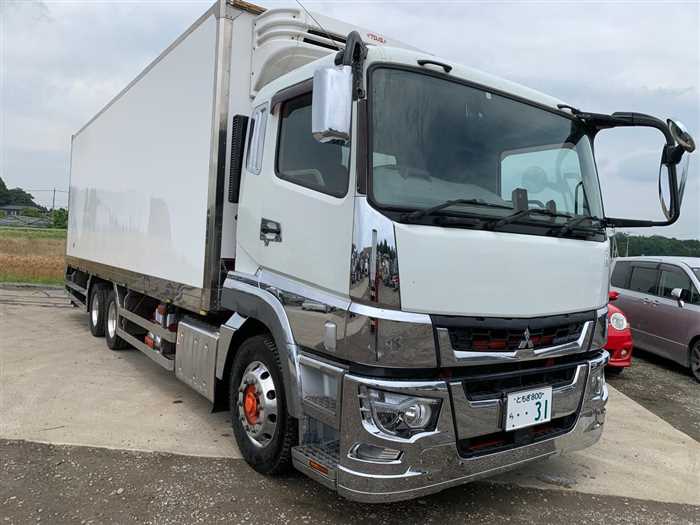
The MITSUBISHI SUPER GREAT is a renowned heavy-duty truck known for its durable construction and impressive performance. One of the critical aspects that fleet owners consider when assessing the viability of a vehicle is its fuel efficiency. With rising fuel costs and increasing environmental concerns, understanding the fuel consumption rate of heavy-duty vehicles like the MITSUBISHI Super Great is essential for operators and stakeholders in the transportation industry.
Understanding Fuel Consumption
Fuel consumption in heavy-duty trucks is not a uniform measurement, as it varies based on multiple factors such as load weight, driving conditions, and maintenance practices. The Mitsubishi Super Great typically has a fuel consumption rate ranging from 8 to 12 km/l. This range allows for flexibility depending on the specific situations the truck encounters during its operational duties.
Factors Affecting Fuel Efficiency
Several factors influence the fuel efficiency of the Mitsubishi Super Great:
Load Weight: Heavier loads generally lead to increased fuel consumption. The Super Great is designed to handle significant payloads, which can affect overall fuel efficiency.
Driving Conditions: Different terrains play a significant role in fuel consumption. Driving on highways with minimal stops will usually yield better fuel efficiency compared to urban driving with frequent stops.
Driving Style: The behavior of the driver, including acceleration and braking habits, can significantly impact fuel efficiency. Smooth driving with gradual acceleration tends to be more fuel-efficient.
Vehicle Maintenance: Regular maintenance—including tire pressure checks, engine services, and fuel system cleaning—ensures that the truck operates at its optimal efficiency.
Weather Conditions: Adverse weather conditions such as heavy rain, snow, or extreme temperatures can also influence fuel consumption rates.
Comparison with Competitors
When evaluating the Mitsubishi Super Great’s fuel consumption rate against competitors, it becomes evident that it holds its own in the marketplace. Many comparable trucks in the heavy-duty segment also fall within the 8-12 km/l range. However, the overall fuel efficiency may vary from brand to brand based on technological innovations and design philosophy.
For instance, newer models from other manufacturers may utilize advanced aerodynamics and engine technologies that could potentially provide better mileage. However, factors such as reliability, maintenance costs, and performance under heavy loads play a significant role in the decision-making process for fleet operators.
Mitsubishi has been at the forefront of integrating technology within their trucks to improve fuel efficiency. Recent advancements include:
Engine Technology: Improved engine performance and fuel injection systems help in maximizing efficiency and minimizing emissions.
Aerodynamics: Streamlined truck designs help reduce drag, allowing for smoother travel and better fuel economy.
Telematics: The use of telematics systems enables fleet managers to monitor fuel consumption in real-time, providing insights that can lead to better driving practices and improved efficiency.
Strategic Maintenance Practices
To maintain optimal fuel efficiency over the long term, operators of the Mitsubishi Super Great should implement strategic maintenance practices:
Maintain proper tire pressure.
Conduct regular engine checks to ensure all components are in good working condition.
Use appropriate and high-quality engine oil for better lubrication.
Schedule routine servicing following manufacturer guidelines.
Monitor fuel quality to avoid issues that could impair performance.
Final thoughts
Fuel efficiency remains a crucial aspect of the Mitsubishi Super Great’s operational capabilities. With fuel consumption rates ranging between 8 to 12 km/l, factors such as load, driving conditions, and maintenance play significant roles in determining the overall efficiency. Strategically leveraging technology and adhering to maintenance schedules can help maximize fuel economy, thereby reducing operating costs for fleet owners. In an era of growing emphasis on sustainability and efficiency, understanding these elements is vital not only for financial savings but also for environmental impact.
FAQs
1. What is the average fuel efficiency of the Mitsubishi Super Great?
The average fuel efficiency ranges from 8 to 12 km/l, depending on various factors.
2. How can I improve the fuel efficiency of my Mitsubishi Super Great?
Maintaining proper tire pressure, following a regular maintenance schedule, and employing smooth driving techniques can significantly improve fuel efficiency.
3. Does the weight of the load affect fuel consumption?
Yes, heavier loads typically lead to increased fuel consumption as more power is required to move the vehicle.
4. What role does driving style play in fuel efficiency?
A driver’s behavior, such as aggressive acceleration and braking, can negatively impact fuel efficiency.
5. Are there any technologies in the Mitsubishi Super Great that enhance fuel efficiency?
Yes, innovations such as improved engine technology, aerodynamic design, and telematics systems are implemented to enhance fuel efficiency.
Diesel fuel is a significant and widely used energy source globally, particularly in the transportation and industrial sectors. This article delves into the intricacies of diesel fuel, how its prices...
The suspension system of your vehicle plays a crucial role in ensuring a smooth and safe ride. It is composed of various components, including control arms, struts, and shocks, which...
The suspension system of a vehicle is essential for ensuring a smooth ride and maintaining control while driving. Regular suspension inspection is critical for your safety and the longevity of...
Introduction The 2017 MITSUBISHI SUPER GREAT is a heavy-duty truck that boasts a robust design, powerful performance, and a range of features suited for commercial use. While the initial purchase...
Family owned dealership of new and pre-owned vehicles with several locations across the Uganda. Lowest prices and the best customer service guaranteed.
You're almost there, select at least one more to compare!
We use cookies to ensure that we give you the best experience on our website. If you continue to use this site we will assume that you are happy with it.
You can revoke your consent any time using the Revoke consent button.