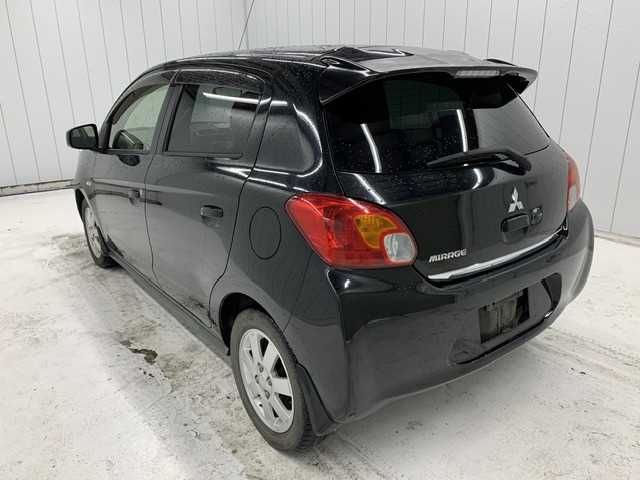
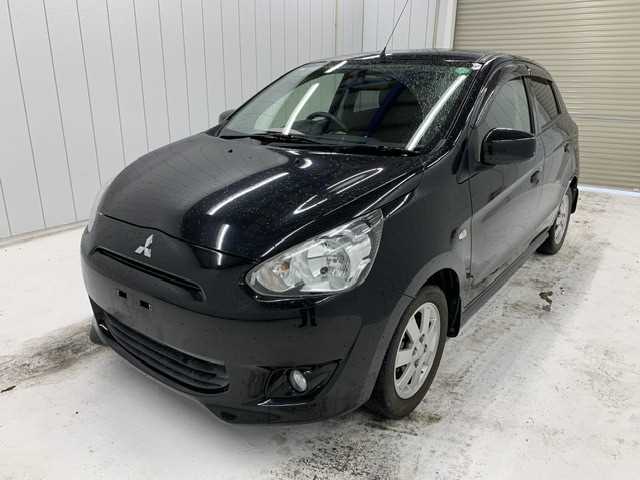
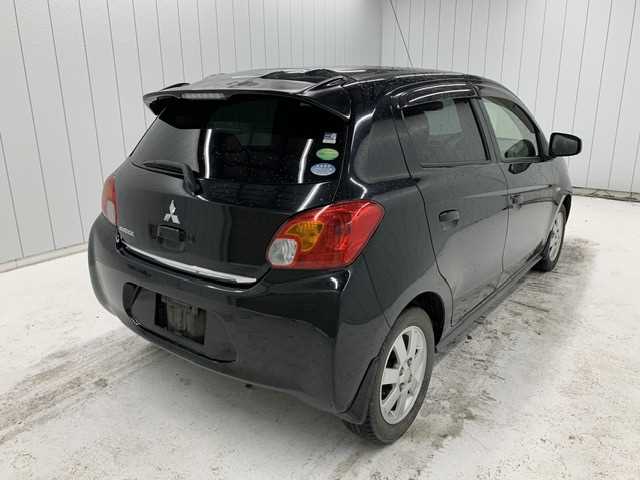
The 2015 MITSUBISHI MIRAGE is renowned for its fuel efficiency. However, there are several additional driving habits and strategies you can adopt to optimize your vehicle’s fuel economy even further. In this article, we will explore effective fuel-saving tips and driving habits to help you get the most out of your Mirage.
The 2015 model of the Mitsubishi Mirage is equipped with a 1.2-liter three-cylinder engine that offers an impressive EPA rating of approximately 37 mpg in the city and up to 44 mpg on the highway. Achieving these numbers, however, requires not just a well-maintained vehicle but also mindful driving habits.
1. Maintain Proper Tire Pressure
One of the most effective and simplest ways to improve fuel efficiency is to maintain the recommended tire pressure. Under-inflated tires increase rolling resistance, which can lead to decreased fuel economy. Check your tire pressure regularly and keep them inflated to the manufacturer’s specifications, usually found on a sticker inside the driver’s door jamb.
2. Regular Maintenance Checks
A well-maintained vehicle runs more efficiently. Regularly scheduled maintenance checks, including oil changes, air filter replacements, and spark plug inspections, can significantly enhance your fuel efficiency. Follow the maintenance schedule as outlined in your owner’s manual to keep your engine running at peak performance.
3. Drive Smoothly
Aggressive driving behaviors, such as rapid acceleration and hard braking, can waste fuel. Adopt smooth driving habits by gradually accelerating and decelerating whenever possible. This approach not only saves fuel but can also reduce the wear and tear on your vehicle.
4. Use Cruise Control
When driving on highways, use cruise control to maintain a steady speed. This feature helps reduce fuel consumption by preventing unnecessary acceleration and deceleration. However, it’s important to turn off cruise control in hilly terrains where the engine may need to work harder, thus consuming more fuel.
5. Limit Use of Air Conditioning
Using air conditioning can decrease your fuel efficiency. Try to limit its use, especially at lower speeds. On cooler days, consider rolling down the windows instead. However, be aware that at higher speeds, using air conditioning may be more efficient than the drag caused by open windows.
6. Reduce Excess Weight
Every additional pound in your car can negatively impact fuel efficiency. Remove unnecessary items from your vehicle to lighten the load. Avoid carrying bulky roof racks or carriers unless absolutely necessary, as they can create aerodynamic drag, also leading to higher fuel consumption.
7. Plan Your Trips Wisely
Combining errands into a single trip saves time and fuel. Cold engines consume more fuel, so minimize the number of short trips. Also, consider the best times to drive to avoid heavy traffic and reduce idling time, which is another factor that can significantly decrease fuel economy.
8. Know When to Shift Gears
If your Mitsubishi Mirage has a manual transmission, knowing when to shift gears can affect your fuel efficiency. Generally, shifting gears at around 2,000 to 2,500 RPMs can help conserve fuel. For automatic transmissions, allow the car’s system to manage shifts, but be mindful of speeding, as higher RPMs will consume more gas.
9. Keep Windows Closed at High Speeds
While it may be comfortable to drive with the windows down, doing so at high speeds can create drag and wind resistance, which leads to decreased fuel efficiency. It’s advisable to keep the windows up when driving on the highway and utilize the car’s ventilation system instead.
10. Invest in Fuel-Saving Products
Consider using fuel additives designed to improve engine performance and efficiency. These products can sometimes help clear fuel injectors and improve combustion efficiency. However, consult your owner’s manual or a trusted mechanic before using any additive.
Final thoughts
By adopting these effective fuel-saving tips and driving habits, you can maximize the fuel efficiency of your 2015 Mitsubishi Mirage. Maintaining your vehicle properly, driving smoothly, and making informed choices can significantly enhance your overall driving experience and reduce fuel expenses. Consistent attention to these details will ensure your Mirage remains a reliable and economical vehicle for years to come.
FAQs
1. How often should I check my tire pressure?
It’s recommended to check your tire pressure at least once a month or before long trips. Changes in temperature can affect pressure, so it’s particularly important to do this with seasonal changes.
2. What type of oil should I use for my Mirage?
Refer to your owner’s manual to determine the best type of oil for your Mitsubishi Mirage. Typically, a synthetic oil with a viscosity of 0W-20 is ideal for many modern vehicles, but it’s crucial to adhere to specifications.
3. Does driving at higher speeds decrease fuel efficiency significantly?
Yes, driving at higher speeds often results in decreased fuel efficiency. Your Mirage is designed to perform best at moderate speeds. The optimal speed for fuel efficiency generally falls between 45-65 mph.
4. Is it worth it to invest in fuel additives?
While some drivers find fuel additives beneficial, their effectiveness can vary. It’s important to do research and preferably consult a mechanic to understand which products may work best for your vehicle.
5. Can regular car washes improve fuel efficiency?
While not directly linked, keeping your car clean can reduce drag and potentially improve your fuel efficiency slightly. A cleaner vehicle often experiences less wind resistance, especially on the highway.
<p>When it comes to maintaining your HVAC (Heating, Ventilation, and Air Conditioning) system, ensuring that its exterior components are in good condition is crucial for its overall performance. Damage to...
The 2022 MITSUBISHI MIRAGE is known for its affordability, fuel efficiency, and compact design. As with any vehicle, regular maintenance of the air conditioning system and electrical components is essential...
The 2015 MITSUBISHI MIRAGE is a compact hatchback that appeals mainly to budget-conscious consumers seeking an economical vehicle. Known for its fuel efficiency and low price point, the Mirage might...
Owning a car is a significant investment, and ensuring that it has been well-maintained and properly serviced can save you from unexpected costs down the road. The 2017 MITSUBISHI MIRAGE...
Family owned dealership of new and pre-owned vehicles with several locations across the Uganda. Lowest prices and the best customer service guaranteed.
You're almost there, select at least one more to compare!
We use cookies to ensure that we give you the best experience on our website. If you continue to use this site we will assume that you are happy with it.
You can revoke your consent any time using the Revoke consent button.