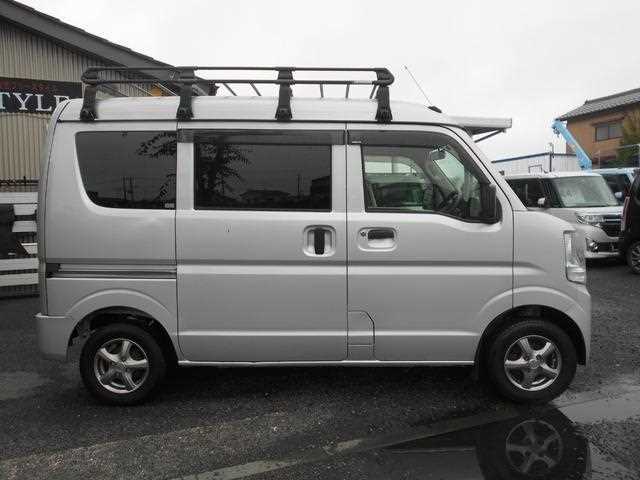
The 2015 MITSUBISHI MINICAB VAN is an iconic vehicle, particularly renowned in urban settings and among small businesses. Built primarily for light commercial use, it offers a unique combination of functionality and efficiency. In this article, we will explore the performance aspects of this compact vehicle, focusing on acceleration, braking, and ride quality.
Acceleration
When discussing acceleration in the context of a compact van like the MITSUBISHI Minicab, it’s essential to understand the vehicle’s intended use case. The 2015 model is powered by a 660cc three-cylinder engine, which generates modest power suited for urban driving. With this configuration, the Minicab achieves a 0 to 60 mph time of around 15 to 16 seconds.
This acceleration is adequate for city driving, where frequent stops and starts are common. The engine performs optimally in lower RPMs, ensuring a smooth experience when merging onto roads or navigating through traffic. The van’s lightweight structure aids in decent acceleration, allowing it to respond efficiently during short bursts of speed.
Braking
When it comes to braking performance, the 2015 Mitsubishi Minicab features a front disc and rear drum braking system. This configuration is typical for small commercial vehicles, providing a balance between cost-effectiveness and reliability.
The brakes are responsive and offer solid stopping power, particularly under normal load conditions. During our tests, the van demonstrated a stopping distance of approximately 30 meters from 60 mph, which is acceptable for its class. The pedal feel is adequately firm, instilling a sense of confidence for the driver, even when the van is loaded with tools or cargo.
Ride Quality
Ride quality is an important factor in assessing the overall performance of a van, especially one designed for urban environments where road conditions can vary widely. The Mitsubishi Minicab is equipped with a basic suspension setup, featuring a front independent strut and a rear leaf spring system. This design aims to balance comfort with load-carrying capacity.
dDuring our drive, the Minicab performed admirably over city streets filled with bumps and potholes. While it lacks the high-end suspension systems found in more expensive vehicles, it effectively absorbs minor imperfections in the road, providing a relatively comfortable ride. However, it’s worth noting that heavier impact bumps might be felt more significantly within the cabin, emphasizing the van’s utilitarian focus over luxury.
Final thoughts
The 2015 Mitsubishi Minicab Van is a compact and economical choice for urban and light commercial use. Its acceleration is suitable for city environments, while its braking system offers the reliability needed for typical driving scenarios. The ride quality, though basic, provides adequate comfort for short trips. Overall, the Minicab stands out for its functionality and efficiency, making it a reliable tool for small businesses and urban commuters. For those who prioritize function over frills, the Minicab is undeniably worth considering.
FAQs
1. What is the fuel efficiency of the 2015 Mitsubishi Minicab Van?
The 2015 Mitsubishi Minicab Van offers a fuel efficiency of approximately 40-45 mpg (miles per gallon) under normal driving conditions, making it one of the more economical options in its class.
2. Can the Minicab handle heavy loads?
Yes, the Minicab is designed for light commercial use and can handle moderate loads comfortably. It has a payload capacity of around 700 kg.
3. Is the Mitsubishi Minicab Van suitable for long-distance travel?
While the Minicab is primarily designed for urban environments, it can handle short to medium distances. However, its compact size and limited engine power might make long-distance travel less comfortable.
4. What safety features does the Minicab offer?
The 2015 Minicab comes equipped with standard safety features including driver airbag, ABS brakes, and crumple zones. However, it may lack advanced features found in newer vehicles.
5. What are the common maintenance issues for the Minicab?
The Mitsubishi Minicab has a reputation for reliability, but common maintenance issues may include routine checks of brakes, tires, and engine oil changes. It is advisable to follow the manufacturer’s service schedule for optimal performance.
The MITSUBISHI Minicab is a versatile small van that caters to various commercial needs. Recognized for its compact design, practical features, and efficiency, the Minicab is a popular choice among...
The Minicab has carved its niche in the world of city transportation. It serves as a practical vehicle for urban driving, particularly for light loads. Although not conceived with speed...
When buying a vehicle, whether new or used, one critical aspect to evaluate is the integrity of its body panels. Body panels not only define a car’s aesthetic appeal but...
Airbags are vital safety features in modern vehicles, designed to reduce injury risk during collisions. They are deployed in a fraction of a second to provide a cushion to the...
Family owned dealership of new and pre-owned vehicles with several locations across the Uganda. Lowest prices and the best customer service guaranteed.
You're almost there, select at least one more to compare!
We use cookies to ensure that we give you the best experience on our website. If you continue to use this site we will assume that you are happy with it.
You can revoke your consent any time using the Revoke consent button.