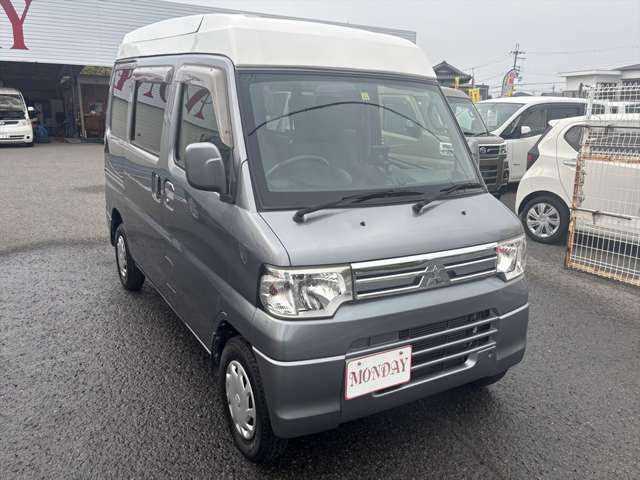
Accident damage can occur in various contexts, from vehicle collisions to property damage caused by environmental factors. Understanding the nature of accident damage, its causes, potential consequences, and the solutions available can better prepare individuals and organizations to deal with these unfortunate situations.
What is Accident Damage?
Accident damage typically refers to physical harm or destruction that occurs as a result of an unexpected event or accident. It can encompass damage to vehicles, structures, or personal belongings. The severity of accident damage can range from minor scratches to complete loss of property and often requires assessment to determine responsible parties and required repairs.
Causes of Accident Damage
Traffic Collisions
Automobile accidents are one of the most common types of accident damage. They can be caused by various factors, including distracted driving, speeding, intoxication, and adverse weather conditions.
Natural Disasters
Natural disasters such as floods, hurricanes, and earthquakes can lead to extensive damage to both residential and commercial properties. The unpredictability of these events can leave individuals feeling helpless, especially if they are underprepared.
Workplace Accidents
In workplaces, accidents can occur due to unsafe working conditions, equipment failure, or human error. Such incidents can result in both physical damage to the property and personal injuries to employees.
Consequences of Accident Damage
Financial Burden
Accident damage often leads to significant financial implications, including repair costs, legal fees, and insurance premiums. This financial burden can be especially overwhelming when accidents result in extensive damage.
Emotional Impact
The aftermath of an accident can lead to emotional distress, anxiety, and stress for those involved. Individuals may suffer from feelings of vulnerability and uncertainty, particularly if they experienced personal injury or significant loss.
Legal Ramifications
Accident damage can often lead to legal challenges, especially if negligence or liability is in question. Individuals may find themselves involved in lawsuits or insurance disputes, prolonging the recovery process.
Dealing with Accident Damage
Insurance Claims
After an accident, the first step often involves contacting your insurance provider. Documenting the scene, gathering evidence, and providing a detailed explanation of the event can help facilitate the claims process.
Repair and Rehabilitation
Depending on the extent of the damage, repairs may be straightforward or extensive. It’s crucial to choose reputable repair services that can provide accurate estimates and quality workmanship.
Legal Advice
Consulting a legal professional can be beneficial if you find yourself involved in a legal dispute regarding accident damage. A lawyer can guide you through your rights, help you understand your legal obligations, and represent you in negotiations or court if necessary.
Preventing Accident Damage
Education and Training
One of the most effective ways to prevent accident damage is through education and training. For instance, drivers can benefit from defensive driving courses, while employees can undergo safety training relevant to their workplace.
Safety Protocols
Implementing strict safety protocols can help minimize the chances of accidents, particularly in industrial jobs. Regular maintenance of equipment and adherence to safety standards also play critical roles in preventing workplace accidents.
Preparedness Strategies
Being prepared for natural disasters can significantly reduce the risks associated with accident damage. This can involve having an emergency kit, creating a disaster recovery plan, and staying informed about potential hazards in the area.
Final thoughts
Accident damage can have far-reaching effects on individuals and communities alike. Understanding the various causes, consequences, and proactive measures can help mitigate the impact of such incidents. By taking informed action and being prepared, we can better protect ourselves and our properties from the unforeseen circumstances that life may present.
FAQs
What should I do immediately after an accident?
First, ensure everyone’s safety and call emergency services if needed. Document the scene with photos, gather witness information, and contact your insurance provider as soon as possible.
How can I reduce my insurance premiums after an accident?
To reduce premiums, consider taking defensive driving courses, maintaining a clean driving record, and shopping around for competitive rates from different insurers.
What types of accident damage are covered by insurance?
This varies by policy, but typical coverage includes damage to personal property, medical expenses, vehicle repairs, and liability for damage caused to others.
Can I sue for accident damage?
Yes, you may sue if you can prove negligence or liability on the part of another party. Consulting a legal professional can provide guidance on this process.
The MITSUBISHI Minicab is a versatile small van that caters to various commercial needs. Recognized for its compact design, practical features, and efficiency, the Minicab is a popular choice among...
The Minicab has carved its niche in the world of city transportation. It serves as a practical vehicle for urban driving, particularly for light loads. Although not conceived with speed...
When buying a vehicle, whether new or used, one critical aspect to evaluate is the integrity of its body panels. Body panels not only define a car’s aesthetic appeal but...
Airbags are vital safety features in modern vehicles, designed to reduce injury risk during collisions. They are deployed in a fraction of a second to provide a cushion to the...
Family owned dealership of new and pre-owned vehicles with several locations across the Uganda. Lowest prices and the best customer service guaranteed.
You're almost there, select at least one more to compare!
We use cookies to ensure that we give you the best experience on our website. If you continue to use this site we will assume that you are happy with it.
You can revoke your consent any time using the Revoke consent button.